King Khalid International (RUH)
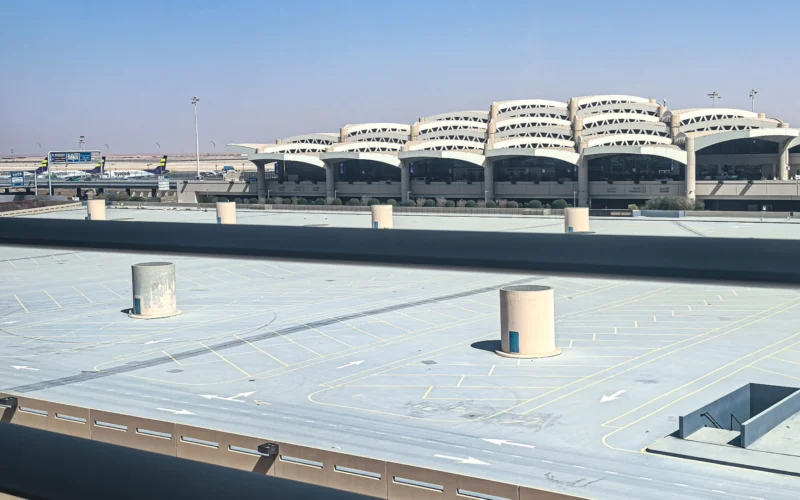
King Khalid International (RUH) at a glance
King Khalid International Airport is the gateway to the Saudi capital and one of the fastest-growing major airports in the region, handling 37.6 million passengers in 2024 as Riyadh's economic boom, new tourism visas and the launch of hometown startup Riyadh Air in late 2025 pile on demand. Saudia operates it as a second hub, and its five terminals are being expanded and refurbished to cope.
Its horizon, however, is defined by its successor: King Salman International Airport, under construction around the existing site, will bring six parallel runways and capacity for up to 120 million passengers by 2030, one of the largest aviation projects ever undertaken, transforming Riyadh into a super-hub to carry Vision 2030's ambitions.
Hub & base airlines
| Airline | Role | Terminal |
|---|---|---|
| Saudia | Second hub after Jeddah | Terminals 1 and 2 |
Terminals & infrastructure
Riyadh's airport spreads five terminals beneath its landmark triangular-motif architecture and hexagonal mosque, with two parallel runways on a vast desert site that once made it the world's largest airport by area. Its future is transitional: the six-runway King Salman International, one of the biggest infrastructure projects on Earth, is under construction to absorb and replace it as Riyadh's gateway targeting up to 120 million passengers by 2030.Full specifications
Frequently asked questions
Saudia operates King Khalid as its second hub after Jeddah, low-cost flynas is based there, and startup Riyadh Air launched operations from the airport in late 2025.
Riyadh's future mega-airport, under construction with six parallel runways and a target of up to 120 million passengers by 2030, which will absorb the existing King Khalid airport.
Traffic reached 37.6 million passengers in 2024 and keeps climbing as Saudi Arabia's opening to tourism and the launch of Riyadh Air add demand.