
Boeing 767-300ER
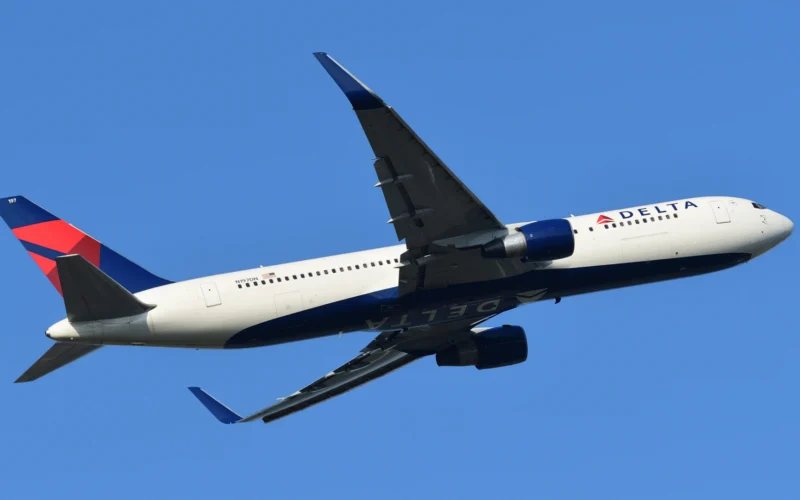
Key specifications
The Boeing 767-300ER is the definitive 767: the extended-range stretch that entered service with American Airlines in 1988 and became the most-produced version of the family, the aircraft on which airlines built the first generation of twin-engine ocean flying. With around 5,980 nautical miles of range from a center-section fuel tank and higher takeoff weights, it turned the ETOPS rules the 767 pioneered into everyday transatlantic schedules.
Seating around 218 to 269 passengers in its classic 2-3-2 twin-aisle layout, a cabin where no economy seat is more than one place from an aisle, the -300ER occupies a size the 787 never fully replaced at the bottom end, which is why Delta, United, ANA and Icelandair still fly it on frontline routes four decades after the family's debut. Its airframe also underpins the 767-300F, the freighter that keeps the production line alive.