
Dallas Fort Worth (DFW)
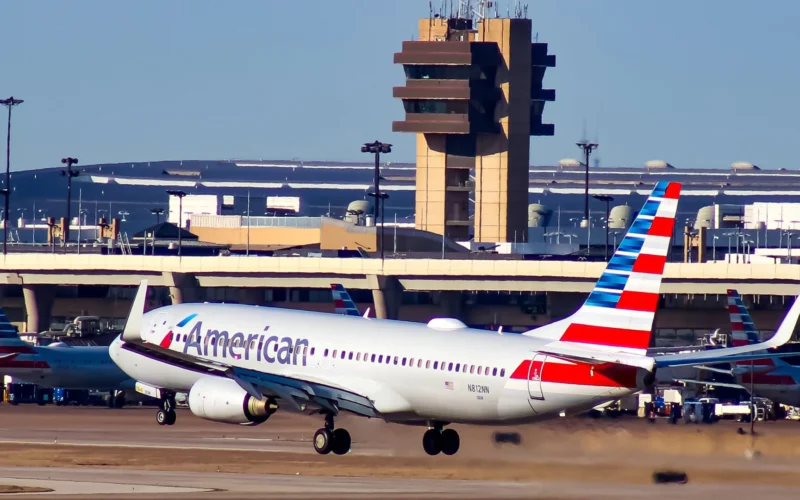
Dallas Fort Worth (DFW) at a glance
Dallas Fort Worth International Airport is the world's fourth-busiest airport with 85.7 million passengers in 2025 and the third-busiest by aircraft movements, spread across a site larger than the island of Manhattan between its two namesake cities. Opened in 1974, it is the primary hub of American Airlines, the world's largest carrier, whose operation touches most of the airport's five terminals.
DFW is in its biggest building phase since opening: the new Terminal F, a rebuilt Terminal C and pier extensions are designed to push capacity toward 100 million passengers by the end of the decade, cementing the airport's role as the connecting point between the Americas and, increasingly, the world.
Hub & base airlines
| Airline | Role | Terminal |
|---|---|---|
| American Airlines | Primary hub, the largest hub of the world's largest airline | Terminals A, B, C, D and E |
Terminals & infrastructure
DFW covers more land than Manhattan, with five semicircular terminals linked by the Skylink train and seven runways, more than any other commercial airport bar one. American Airlines operates its largest hub across most of the airport, and the first all-new terminal in decades, Terminal F, is under construction alongside a rebuilt Terminal C to add capacity toward 100 million passengers.Full specifications
Latest Dallas Fort Worth (DFW) coverage from AeroTime
Frequently asked questions
Its 69.6 square kilometer site is larger than Manhattan, hosting five terminals, seven runways and its own zip code.
American Airlines, which operates its largest hub there, the biggest hub of the world's largest airline.
Terminal F, the airport's first all-new terminal in decades, plus a rebuilt Terminal C, targeting capacity for around 100 million passengers.