

The Federal Aviation Administration (FAA) has issued a new airworthiness directive (AD), after electrical faults found on Boeing 737 Max jets reportedly caused air-conditioning malfunctions that drove cabin and flight deck temperatures to unsafe levels.
The FAA directive covers Boeing 737-8, 737-9, and 737-8-200 models, according to a Federal Register posting, after the agency received reports of in-flight events involving “excessive cabin and flight deck temperatures” that crews could not control using existing procedures. Reuters reported that the FAA action applies to all 737 Max 8 and 8-200 airplanes, with the agency counting 2,119 affected airplanes worldwide, including 771 US-registered aircraft.
The FAA tied the unsafe condition to a tripped BAT BUS SECT 2 circuit breaker that can disrupt the environmental control system. The Federal Register notice says that the malfunction can create an “uncontrollable, excessively high temperature” in the cabin and flight deck, and could injure or incapacitate crew and passengers, which can prevent safe flight and landing.
The AD requires operators to revise the airplane flight manual within 30 days to add abnormal checklist procedures that instruct crews how to respond when the circuit breaker trips. The Federal Register text describes procedures that include a controlled descent, an attempt to reset the circuit breaker, and, if that attempt fails, steps that include selecting engine bleed switches off.
Boeing said it supports the directive and said the rule mandates guidance Boeing issued in January. “We are advancing an engineering solution to eliminate the possibility of this electrical fault,” the company told Reuters. Boeing attributed the root cause to a ground wire fault in the air-conditioning system, Reuters reported.
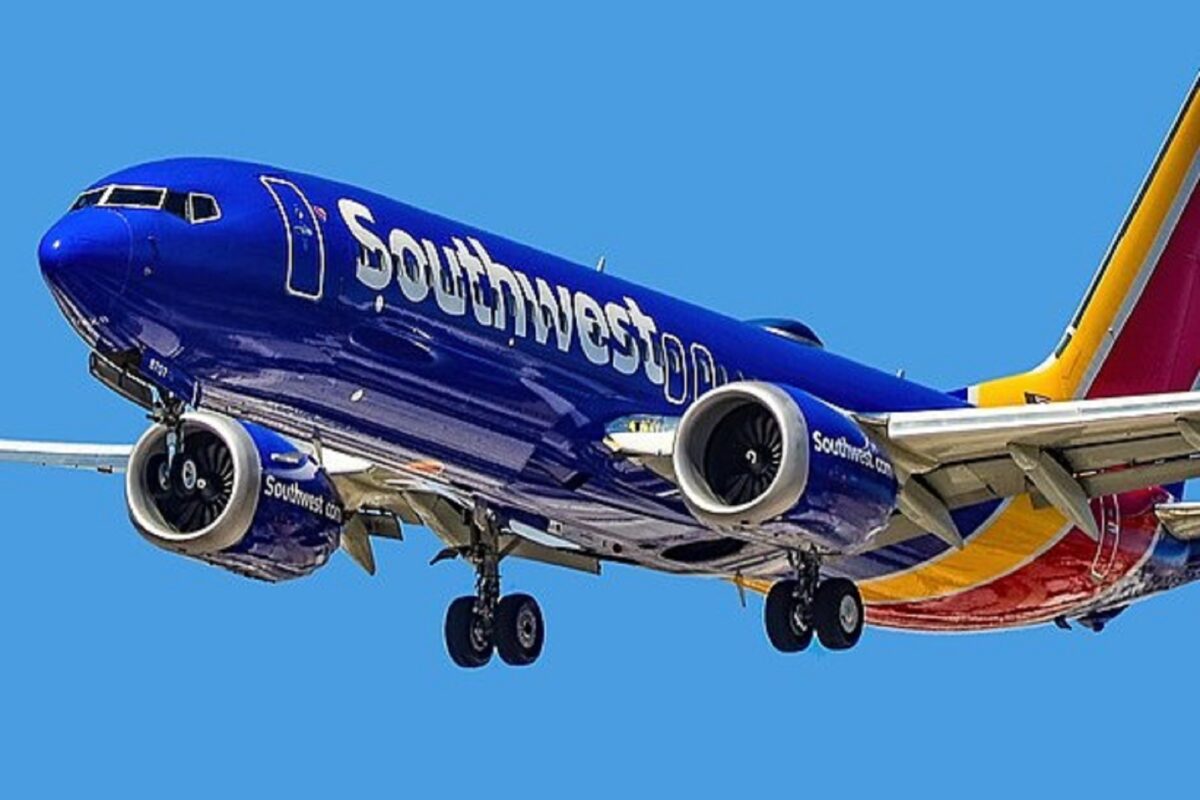
The FAA cited two recent in-flight incidents that involved sharp temperature increases onboard. Southwest Airlines experienced one of the incidents, telling Reuters it has stayed in close contact with the FAA and Boeing. It has also notified flight crews about the steps they should take to respond to the specific electrical fault.
In its Federal Register posting, the FAA characterized the directive as an interim step and said the risk justified immediate action. Boeing told Reuters that it expects the permanent fix to reach the 737 Max 7 and Max 10 before certification, stating that it does not expect the issue to affect the certification timeline.