

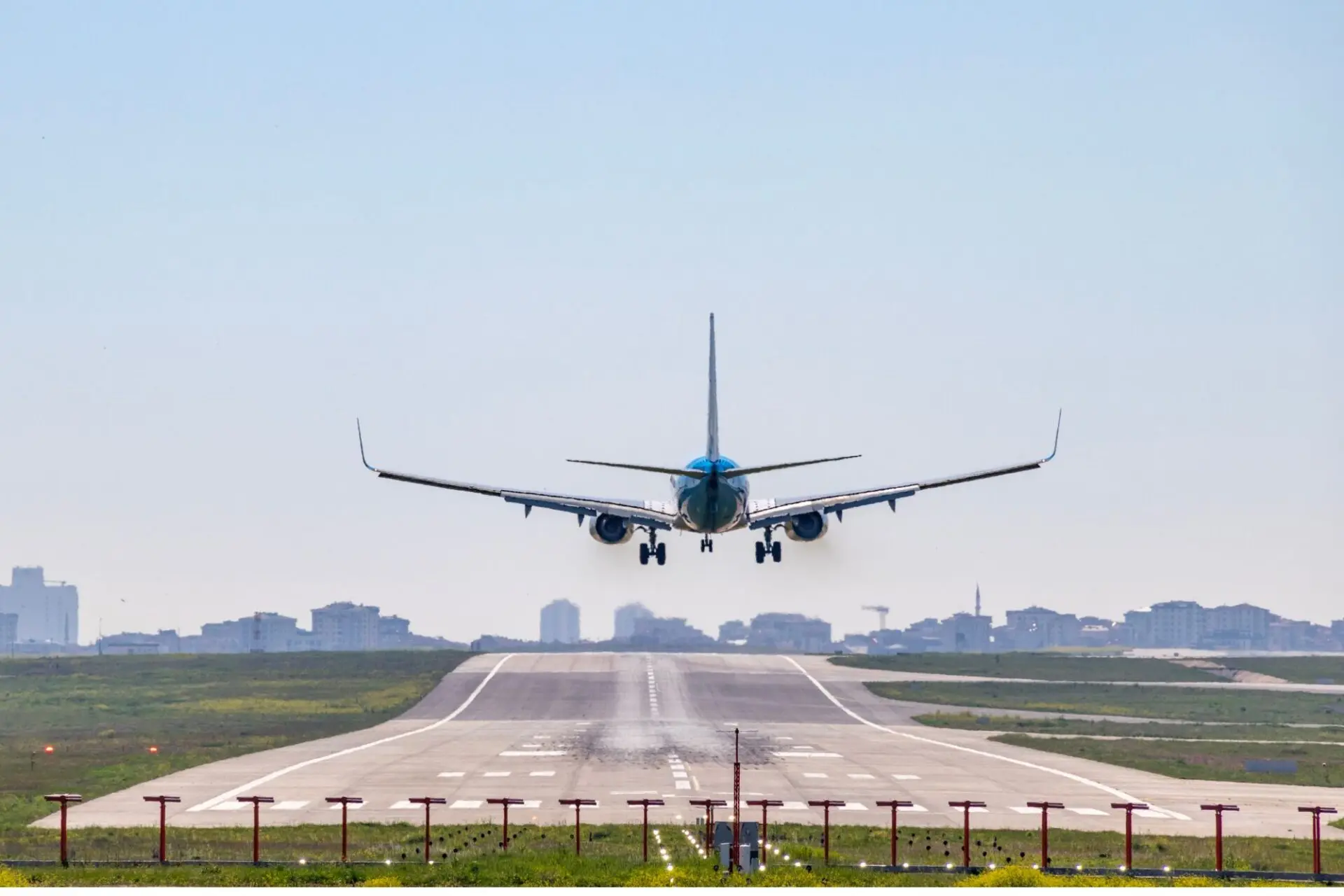
Airlines across the Asia Pacific region had a strong year in 2025, posting a combined $12.1 billion in net profits as steady demand for both passenger and cargo travel helped carriers offset rising costs elsewhere in their operations.
These are according to preliminary figures released by the Association of Asia Pacific Airlines (AAPA), which tracks financial performance across the region’s carriers.
The group said falling fuel prices played a key role in cushioning the industry from other cost pressures, including ongoing supply chain disruptions.
Revenue climbed on strong travel demand
Airlines in the region brought in a combined $223.7 billion in operating revenue for the year, up 4.3% from $214.5 billion in 2024.
Passenger revenue accounted for much of that growth, rising 4.7% to $178.4 billion as more people took to the skies, even though airlines were earning slightly less per passenger. Passenger yields, a measure of revenue per kilometer flown, dipped 2.8% to 7.8 US cents.
Cargo revenue grew more modestly, up 1.4% to $23.6 billion, despite freight rates trending downward. Cargo yields fell 2% over the year to 32.1 US cents.
The demand numbers behind those figures were strong across the board. Passenger traffic, measured in revenue passenger kilometers, rose 7.7% for the year, with both long-haul and shorter regional trips holding up well. Cargo demand also grew, up 3.5% in freight tonne kilometers, partly driven by businesses shipping goods early to get ahead of upcoming tariff increases.
Costs rose too, but fuel offered some relief
Airlines did not get through the year cost-free. Combined operating expenses rose 4.3% to $209.4 billion, largely due to a 7.8% jump in non-fuel costs, which reached $151.1 billion. Higher spending on staff, aircraft leasing, maintenance, and airport charges all contributed, much of it tied to ongoing supply chain issues and broader inflation.
Fuel was the one area where airlines caught a break. Fuel expenditure actually fell 3.7% to $58.3 billion, as global jet fuel prices dropped 9.5% to average $88.8 per barrel over the year. That shift brought fuel’s share of total operating costs down by 2.3 percentage points, to 27.8%.
A strong year, with caution ahead
AAPA Director General Wong Hong said the region’s airlines entered the year in a strong position, with demand doing much of the heavy lifting.
“Asia Pacific airlines entered 2025 from a position of strength, with robust passenger and cargo demand supporting another year of profitable growth,” he said, adding that easing fuel prices helped, even as inflation and supply chain problems pushed non-fuel costs higher.
Despite those pressures, he said, carriers held operating margins steady at 6.4%, a sign of continued discipline across the industry.
Wong also cautioned that conditions haven’t gotten any easier in recent months. He pointed to the ongoing conflict in the Middle East and broader geopolitical tensions as sources of continued volatility in oil and currency markets, adding that fuel costs, the single largest expense for most airlines, are expected to climb again this year.
Wong said rising costs could put some pressure on both consumer spending and business confidence in the months ahead. Even so, he described the overall outlook as broadly positive, pointing to steady passenger and cargo markets and projected regional economic growth of 4.4% this year.
He added that carriers across the region are continuing to expand their networks and services, while keeping a close eye on costs in what remains a difficult operating environment.