

China has launched a reusable experimental spacecraft into orbit, marking the fourth publicly disclosed mission in a program aimed at advancing recoverable spaceflight technologies.
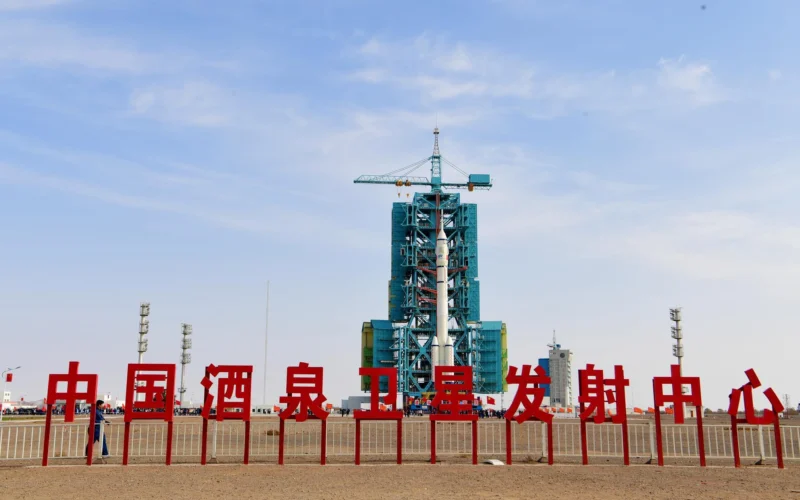
The experimental spacecraft was carried aloft by a Long March-2F rocket from the Jiuquan Satellite Launch Center in northwest China on February 7, 2026. Local authorities released no images of the launch and provided no details on the vehicle’s orbit, mission profile, or expected duration.
According to state news agency Xinhua, the mission will focus on technology verification for reusable spacecraft, with the program described as supporting the peaceful use of outer space.
China first tested a reusable experimental spacecraft in September 2020, when the spacecraft spent less than two days in orbit before returning to Earth. A second mission, launched in August 2022, remained in space for 276 days and landed in May 2023. The third flight, launched in December 2023, lasted 268 days and concluded in September 2024.
While Chinese authorities have not confirmed the spacecraft’s capabilities, Western space trackers have previously reported that earlier missions appeared to involve complex orbital manoeuvres. These included flying close to and manoeuvring around small objects that were released into orbit during the missions. Such techniques are often used for satellite inspection, on-orbit servicing, or debris research, but they may also have potential strategic or military implications.
It currently remains unclear whether all four missions used the same spacecraft design. Chinese officials have not disclosed technical specifications or an official name for the spacecraft.
Reusable spacecraft are seen as a solution to reduce launch costs and improve operational flexibility, as they can be recovered, refurbished, and flown again.