

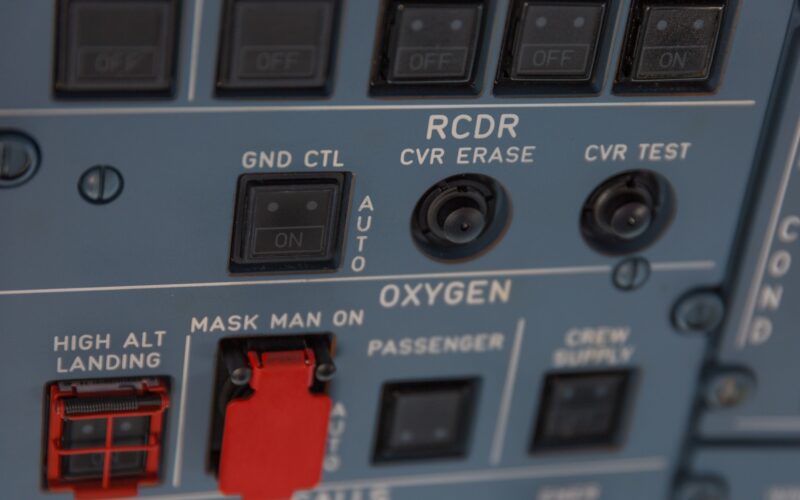
The US Federal Aviation Administration has finalized a rule that will expand cockpit voice recorder (CVR) retention from the long-standing two-hour loop to 25 hours, a major shift intended to stop crucial audio from being overwritten before investigators can secure it.
For newly produced passenger aircraft, the requirement is set to take effect from 2027, making 25-hour CVRs the new baseline on fresh deliveries rather than an optional upgrade.
The FAA argues that two hours is increasingly misaligned with how incidents are reported and handled in real life, especially when an event is noticed late, when a flight continues through taxi-in and turnaround, or when crews operate additional sectors before anyone recognizes the need to preserve recordings.
The practical impact for investigations is straightforward: more timeline, more context. A 25-hour window can capture decision-making and workload well before the peak moment, plus the actions and communications after an event, which can be critical to understanding causal chains and human factors. The rule is also meant to reduce the growing number of cases where CVR audio is unavailable simply because it was overwritten.
Retrofit cost and privacy concerns
The move, however, comes with familiar pushback. Pilot unions and labor groups have long treated cockpit audio as uniquely sensitive, and a larger recording window amplifies concerns about misuse, access control, and chilling effects on cockpit communication. The FAA points to existing safeguards intended to keep CVR audio tied to safety investigations, but the privacy debate is unlikely to disappear, particularly when handling practices can vary once recorders are back in operator hands.
Cost is another fault line, especially around retrofit. For new-build aircraft, the incremental cost of installing a 25-hour CVR instead of a two-hour unit is generally considered limited. Retrofitting older aircraft is more complicated and expensive, depending on hardware, installation labor, and integration, and the FAA has been cautious about imposing a blanket fleetwide retrofit through regulation alone. Still, retrofit timelines are in place under separate legislative requirements for certain “covered” aircraft and operators, creating a longer runway toward compliance across the in-service fleet.
International alignment is part of the rationale. ICAO and European regulators have already moved toward 25-hour CVRs for new aircraft, and the FAA’s rule brings the US closer to that direction, reducing divergence among global manufacturers and operators.