

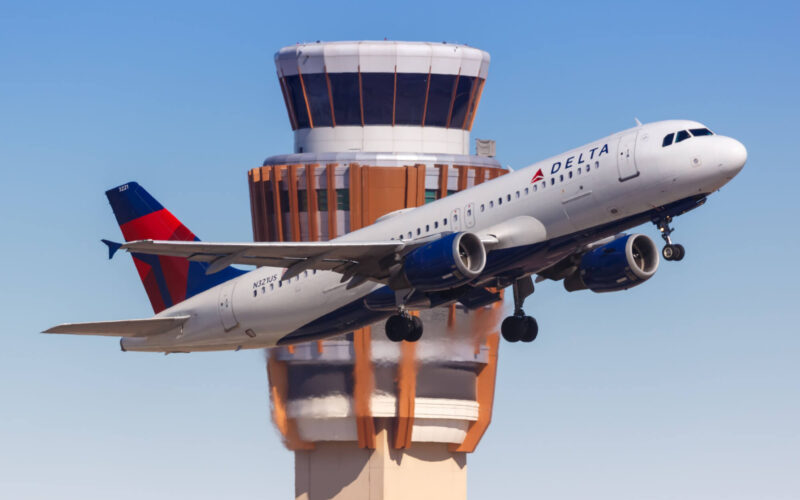
The Federal Aviation Administration (FAA) placed more than 10,000 employees on furlough as a partial US government shutdown entered its first full workweek on February 2, 2026, while air traffic control operations and other core safety functions continued under contingency plans.
The shutdown began over the weekend after Congress failed to pass a funding measure before appropriations expired. The funding lapse comes after a similar, prolonged shutdown in late 2025 that strained the national airspace system, leading to widespread flight cancellations and staffing challenges.
Under the Department of Transportation’s lapse plan, roughly 13,800 air traffic controllers are classified as “excepted” employees and remain on duty without pay during the funding interruption. As in previous shutdowns, those employees are expected to receive back pay once funding is restored.
According to the FAA, essential services including air traffic control, navigational aid maintenance, safety inspections and accident investigations will continue because they are deemed necessary functions. However, most administrative functions, rulemaking activities, public affairs operations, and non-essential support services have been suspended until Congress approves new funding.
The agency said it does not expect immediate operational impacts, but warned that some transactions and responses to public inquiries could be delayed if the shutdown persists.
The National Air Traffic Controllers Association has repeatedly warned that forcing controllers to work without pay exacerbates fatigue and retention issues in an already stressed workforce.
“Repeated funding lapses place unnecessary strain on essential personnel and the aviation system as a whole,” the union said in a statement, urging Congress to act quickly to restore funding.
On Capitol Hill, House Speaker Mike Johnson said lawmakers are actively working toward a resolution and expressed confidence that a deal can be reached. Johnson told reporters he believes the House can pass a funding measure and reopen the government quickly, though negotiations remain ongoing as party leaders work to secure enough votes.
The Senate has already advanced a short-term funding package, increasing pressure on the House to act. Congressional leaders from both parties have indicated they want to avoid a prolonged shutdown, particularly given the disruption to air travel caused by the last funding lapse.
Until appropriations are restored, the FAA will continue operating under its shutdown plan, with frontline safety personnel reporting to work while thousands of other employees remain furloughed. Industry groups and labor organizations alike have warned that even short shutdowns can have ripple effects across aviation if uncertainty drags on.
Federal agencies are expected to resume normal operations once Congress enacts a funding bill and the partial shutdown ends.