

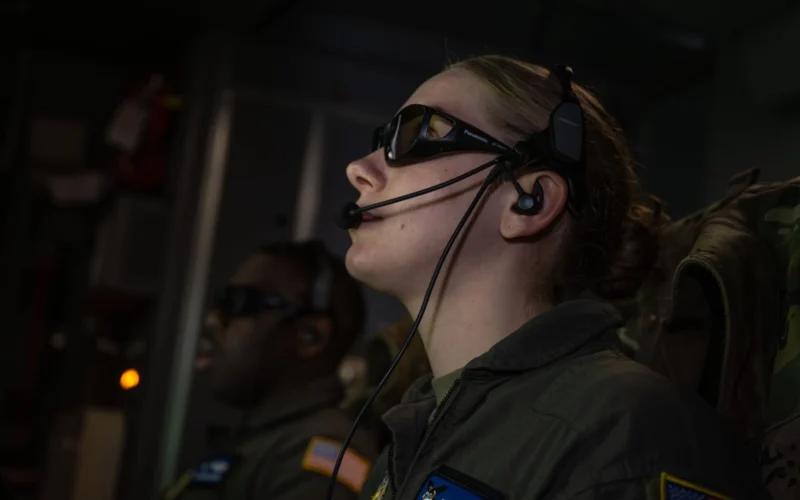
The US Air Force believes the most persistent defect of the Boeing KC-46A Pegasus has finally been resolved, with the tanker’s redesigned Remote Vision System tested and on track to join the production line in 2028.
“We believe we’ve fixed and have tested the new 2.0 vision system,” US Air Force Secretary Troy Meink told the defense subcommittee of the US Senate Appropriations Committee on June 9, 2026, adding that the upgrade should start rolling into production in 2028.
A flaw older than the fleet
The Remote Vision System gives KC-46A boom operators a camera-based view of receiver aircraft, replacing the direct line of sight used aboard the Boeing KC-135 Stratotanker. Deficiencies in image quality and depth perception under certain lighting conditions were identified before the first delivery to the US Air Force in January 2019, creating a risk of the boom striking receiver aircraft. The flaw has remained one of the main obstacles to the tanker reaching its full capability.
RVS 2.0 begins flight testing

Meink’s comments follow Boeing’s June 3, 2026, announcement that the replacement system, known as RVS 2.0, completed the first phase of flight testing. Conducted on a modified test aircraft fitted with a next-generation aerial refueling operator station, the campaign validated the optical performance of the system’s ruggedized cameras as well as its control and processing hardware, according to the manufacturer.
RVS 2.0 is built around a 4K ultra-high-definition 3D display intended to perform across a wider range of lighting environments. Boeing said the remaining work includes additional laboratory and flight testing, as well as formal certification activities conducted with the US Air Force.
Seven years of retrofits ahead
Under a memorandum of agreement announced on May 12, 2026, the US Air Force and Boeing committed to accelerating the fielding of RVS 2.0 across the fleet, alongside a five-year performance-based logistics arrangement and the repurposing of early-production aircraft. The US Air Force expects the combined measures to raise KC-46A availability by more than 20% by 2030, although retrofitting the in-service fleet is projected to take around seven years. The service-wide retrofit had previously been planned to begin in 2027, following certification.
The stakes extend beyond readiness. The US Air Force has repeatedly said it will only order more tankers once the remaining problems are resolved, with a potential follow-on buy of 75 aircraft hanging in the balance. More than 100 KC-46As have been delivered since January 2019, a run marked by structural cracks that halted deliveries in early 2025, two in-flight boom separations, and persistent fuel leaks. Boeing CEO Kelly Ortberg told investors in January 2026 that the current deal had been a bad contract for the past decade.
2 comments
7 years to retrofit something they’ve known is needed for years now…the Mil moves at beyond glacial pace…
It’s great to hear that the KC-46 vision system issues have been resolved! This should significantly enhance operational capability and safety. Excited to see how this will impact future missions!