

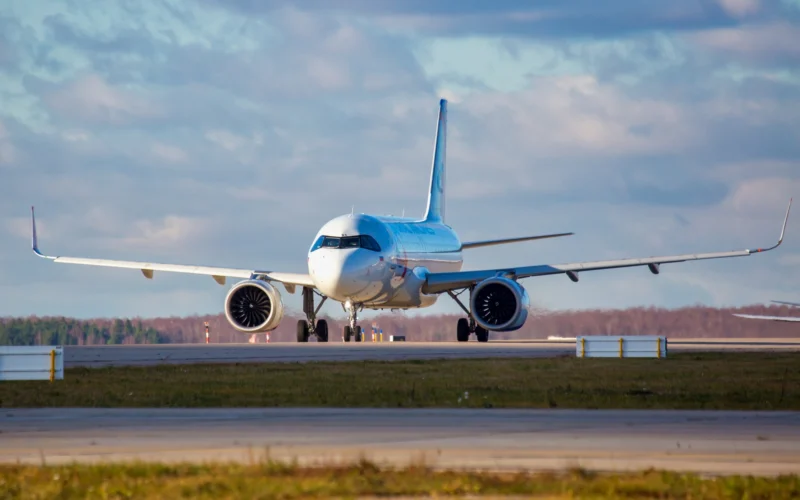
Libya is moving forward with plans to launch a new national carrier, Libyan United Airlines, with operations targeted to begin in the first quarter of 2026 and an initial fleet built around Airbus A320 aircraft.
The airline is part of a broader government effort to revive the country’s aviation sector after years of disruption and limited international connectivity. Libyan United Airlines is expected to focus initially on short- and medium-haul routes, linking Libya with destinations across North Africa and the Middle East.
Earlier this month, Libyan authorities appointed Ziad Farhoud as the airline’s first chief executive. In a LinkedIn post announcing his appointment, Farhoud said he was “excited to lead the upcoming launch of this new carrier dedicated to connecting Libya with the wider region and the world”.
Farhoud also outlined ambitions to establish the airline as a modern, passenger-focused operator based in Tripoli, positioning it as a central part of Libya’s efforts to restore air links with regional and international markets.
The carrier is seeking Airbus A320 aircraft to support its startup operations. The narrowbody type is commonly used across the region and is well suited to the routes Libya is expected to prioritize. The widely available A320 fits the needs of a new airline starting with regional routes.
The launch of Libyan United Airlines comes as the government works to consolidate aviation assets under a proposed national aviation holding company. The initiative aims to bring Libya’s fragmented airline sector under a single structure to improve oversight, investment coordination, and operational stability.
Libya currently has two state-owned airlines, Libyan Airlines and Afriqiyah Airways, both based in Tripoli. According to industry data, each carrier operates a limited fleet, with only one A320 and one A330 currently in service between them. Financial constraints have prevented either airline from acquiring additional aircraft, limiting route expansion and capacity growth.
Officials view the creation of Libyan United Airlines as a way to reset the country’s airline landscape, with a new carrier built around modern aircraft, clearer governance, and a focused route strategy. International airline service to Libya remains limited, and restoring reliable air connectivity is seen as a key step in supporting trade, mobility and economic recovery.
While details on fleet size, route network and launch partners have not yet been disclosed, industry observers note that the project’s success will depend on access to aircraft, regulatory progress and broader political stability.