

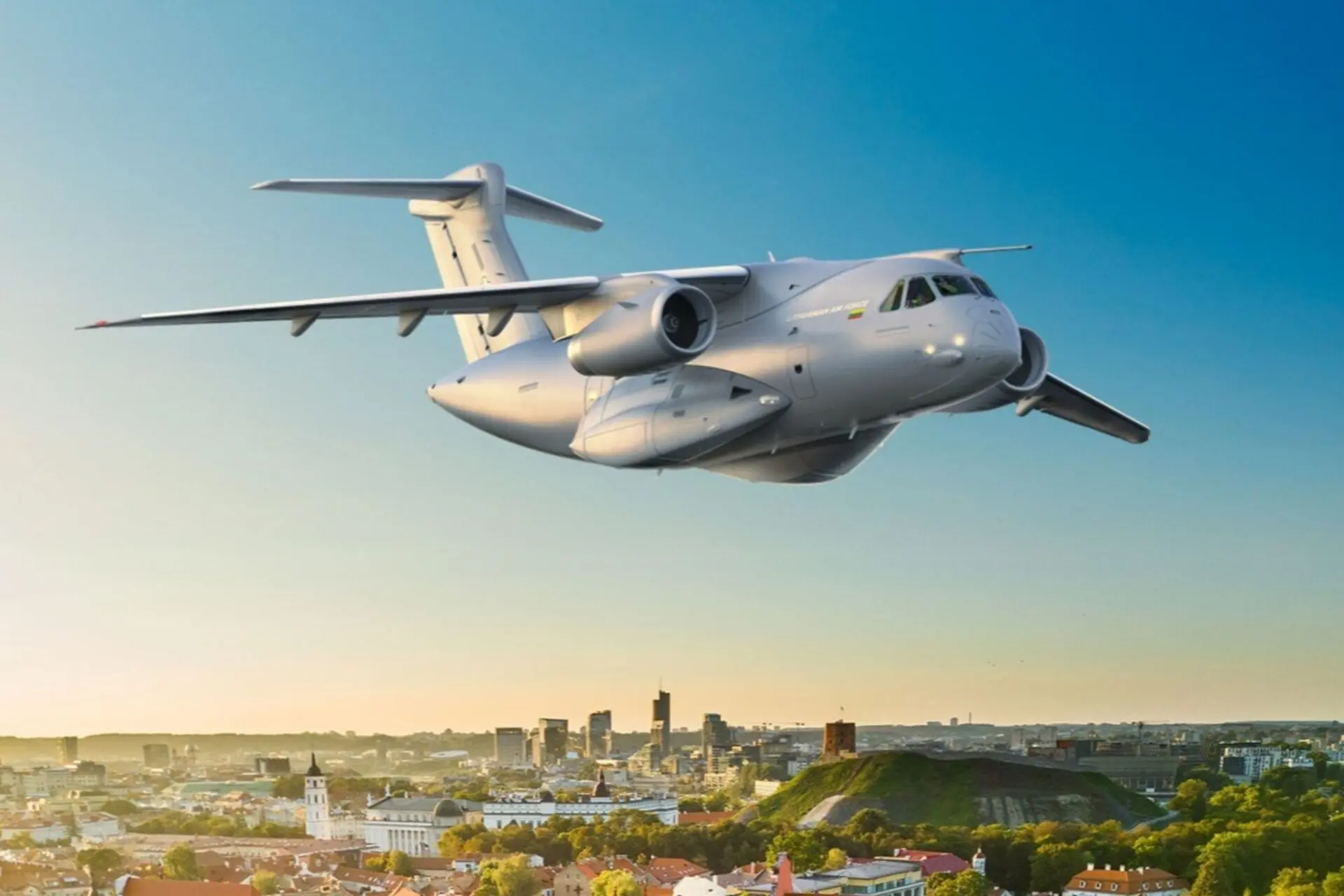
Lithuania has postponed its planned procurement of new military transport aircraft and will instead modernize its existing C-27J Spartan fleet to keep it in service through 2036, officials said after a State Defence Council meeting on January 27, 2026.
Presidential national security adviser Deividas Matulionis told Lithuanian public broadcaster LRT that talks on a future transport aircraft acquisition are now expected to begin around 2030, while Vice Minister of National Defense Robertas Kaunas said the current fleet will be upgraded as a bridging solution.
Lithuania had previously indicated an intention to acquire Embraer C-390 Millennium aircraft, but officials said the purchase would have required additional funding and that near-term priorities are better served by investing in military infrastructure, forming a new army division, and developing integrated air defense.
C-27J fleet age and sustainment challenges
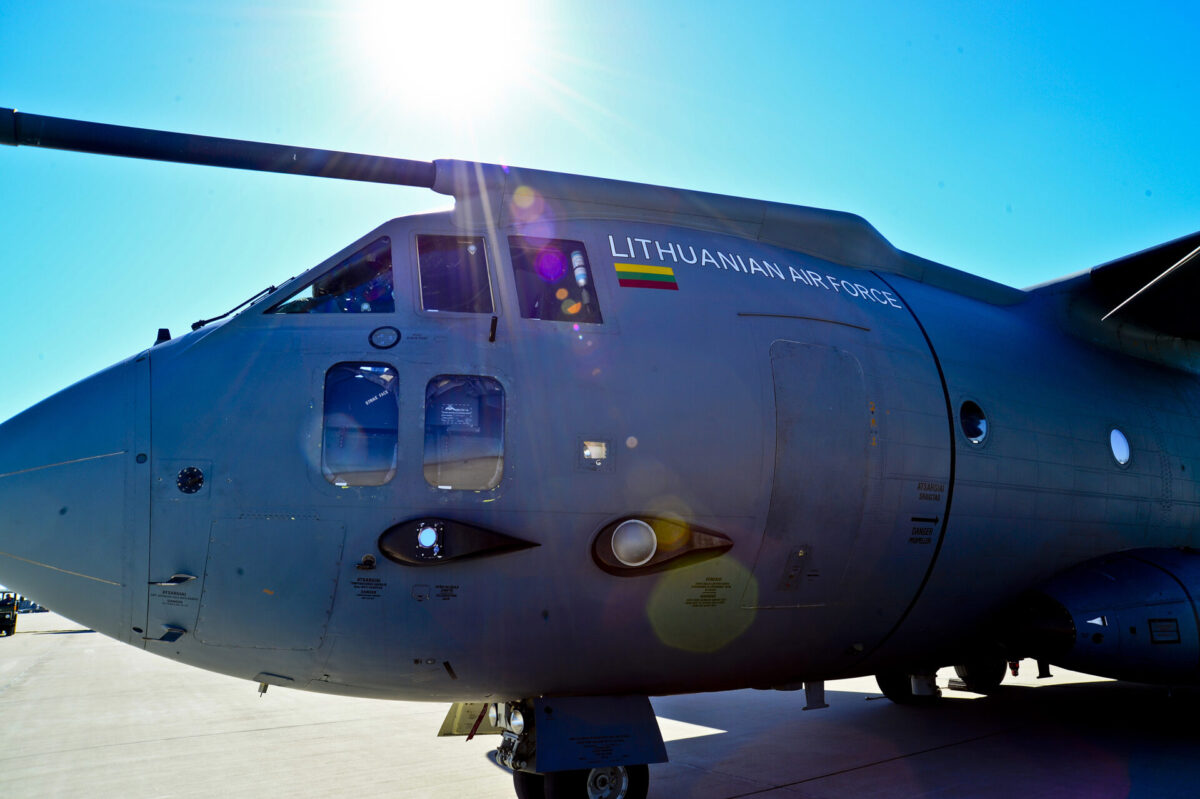
Lithuania operates three C-27J Spartans. The type has been in service in the Lithuanian Air Force since 2006, with the first aircraft delivered that year and the other two arriving in 2008 and 2009.
In recent political and military debates over replacement options, Lithuania’s Spartans were described as aging aircraft facing parts availability issues and rising sustainment burden.
“A significant share of the equipment required for these aircraft is no longer manufactured, while another part is produced and supported only in limited quantities, and will also cease to be produced in the near future,” a previous LRT report pointed out.
Separately, Lithuanian military officials have argued that a straightforward Spartan modernization would be only a short-term fix, citing that some required equipment is no longer produced and other components are only available in limited production, with further discontinuations expected.
Why the C-390 choice drew criticism

Lithuania publicly signaled its intention to acquire three Embraer C-390 Millennium aircraft during the Paris Air Show in June 2025, following an earlier State Defence Council meeting, as part of a plan to replace its Spartans.
In August 2025, Embraer also announced eight MoUs with Lithuanian organizations and companies for potential long-term cooperation in areas including MRO, engineering, and supply chain activities, following Lithuania’s selection of the C-390.
The planned Embraer purchase became politically contentious on cost, process, and strategic logic.
Opposition lawmakers Giedrimas Jeglinskas and Laurynas Kasčiūnas argued that an earlier plan called for modernizing the existing Spartans rather than buying new aircraft, and they asked Lithuania’s Special Investigation Service (STT) to assess whether decisions on the Embraer selection complied with procurement rules and whether there were any abuses of office.
One specific line of criticism focused on whether the requirement set favored a single manufacturer. Lawmakers questioned the use of jet engines, arguing most military transports on the market are turboprops, and asked investigators to check whether a “jet” requirement had been introduced as an advanced condition tailored to one supplier. Lithuania’s Armed Forces responded that the operational requirements document did not specify an engine type.
They also pointed to the expected bill, with Lithuanian officials putting the Embraer acquisition estimate at roughly €700 to 800 million.
Matulionis said the STT investigation did not influence the decision to delay the procurement of transport aircraft.
AeroTime has contacted Embraer for comment on the issue and will update this article if it receives a response.