

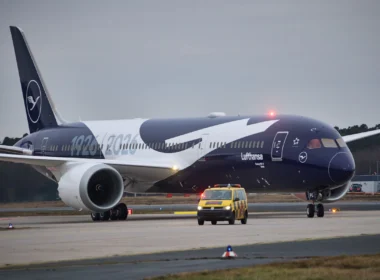
Lufthansa Group will remove roughly 20,000 short-haul flights from its summer schedule through October 2026, a capacity adjustment the company said on April 21, 2026, will save approximately 40,000 metric tons of jet fuel as prices remain elevated in the wake of the Iran conflict.
The reduction amounts to less than 1% of the group’s available seat kilometers (ASK) and targets unprofitable short-haul routes at two of its six European hubs: Frankfurt and Munich. Capacity at Zurich, Vienna, and Brussels will be expanded on existing routes to partially offset the cuts, while operations at the Rome hub remain unchanged in the current announcement.
The measure builds on Lufthansa Group’s strategy, under which it permanently shuttered regional subsidiary Lufthansa CityLine and pulled forward fleet modernization plans.
First 120 daily cancellations already in effect
The first wave of cancellations took effect on April 20, 2026, with 120 daily flights removed from the schedule through the end of May. The affected passengers have been notified. Three destinations have been temporarily cut from Frankfurt operations: Bydgoszcz and Rzeszów in Poland, and Stavanger in Norway.
A further 10 routes previously served from Frankfurt or Munich will be consolidated through other Lufthansa Group hubs, with passengers redirected via Zurich, Vienna, Brussels, or Rome. The affected destinations are Heringsdorf, Cork, Gdańsk, Ljubljana, Rijeka, Sibiu, Stuttgart, Trondheim, Tivat, and Wrocław.
Medium-term route planning for the remainder of the summer season will be published in late April or early May, according to the group, with further optimization of the short-haul network to follow. The company said the aim is to ensure schedule stability across the full summer timetable.
Fuel cost pressure drives network consolidation
The group framed the decision squarely in terms of fuel economics. Its press release states that jet fuel prices have doubled since the outbreak of the Iran conflict, which began on February 28, 2026. The cuts accelerate what the company described as a longer-running strategic goal: consolidating the European short-haul network across its five hub airlines, Lufthansa Airlines, SWISS, Austrian Airlines, Brussels Airlines, and ITA Airways, rather than maintaining parallel unprofitable operations.
European jet fuel prices reached a record $1,840 per metric ton in early April 2026, and spot crude has remained above pre-conflict levels as the near-total closure of the Strait of Hormuz and reduced Gulf refinery output continue to constrain supply.
Lufthansa entered the crisis with around 80% of its 2026 fuel consumption hedged at pre-conflict crude prices, but has paused new hedging activity since hostilities began. The remaining unhedged share, combined with the widening refining margin between crude and finished jet fuel, has nonetheless left the group exposed to significantly higher costs.
Lufthansa said its jet fuel supply for the coming weeks is secured through a combination of physical procurement and price hedging, without providing further detail. European airlines and regulators have been turning to the US to replace lost Middle East volumes, with American jet fuel shipments to Europe projected at close to 200,000 barrels a day in April 2026.
Schedule adjustments follow CityLine shutdown
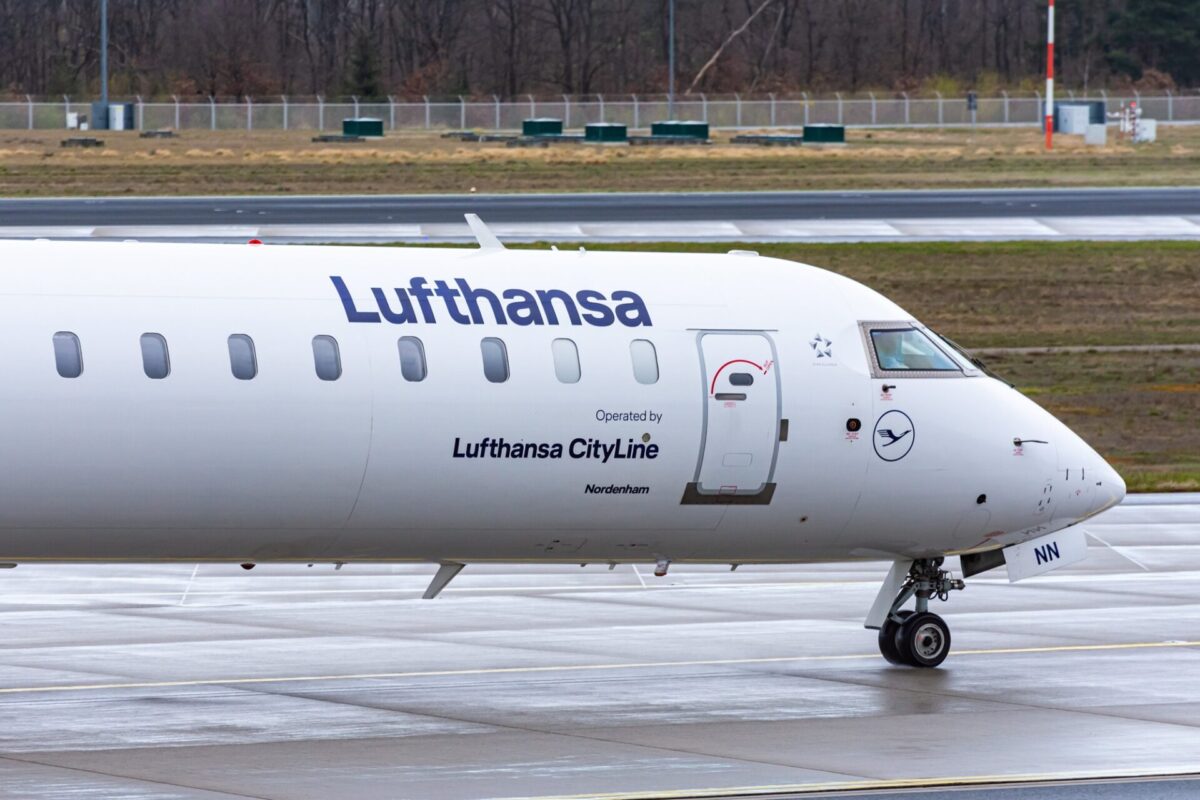
The schedule cuts come five days after the group confirmed it would permanently ground the 27-aircraft fleet of Lufthansa CityLine, effective April 18, 2026, as part of broader cost-reduction measures tied to elevated fuel prices and labor disputes. Till Streichert, Chief Financial Officer of Lufthansa Group, said at the time that the removal of CityLine had already been under consideration before the Iran conflict, and that the crisis forced the move to be implemented earlier than planned.
CityLine’s exit has created a significant capacity gap on regional feeder routes. The flight cancellations announced on April 21, 2026, formally bake that reduction into the published summer schedule without backfilling with other group airlines or wet-leased capacity.
Lufthansa Group is not alone in trimming its European summer schedule. Scandinavian carrier SAS cancelled roughly 1,000 flights in April 2026 after entering the year with 0% fuel hedging, while Ryanair has warned of potential supply disruptions in Europe from May 2026 onward. Italian aviation authority ENAC has flagged jet fuel shortages at four domestic airports over the Easter travel period.