

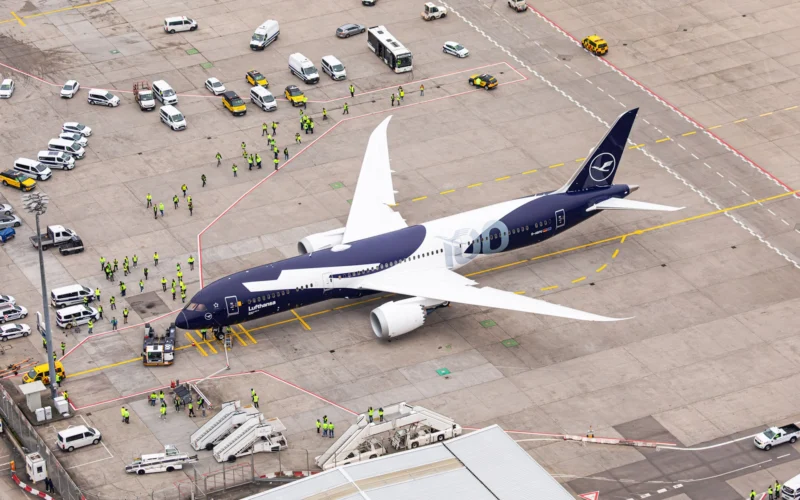
Lufthansa Group paid over three-quarters of a billion dollars extra for fuel during the second quarter in 2026, severely hampering its profits compared to last year.
On August 4, 2026, Lufthansa Group said that the “primary drivers of the earnings decline were fuel costs” with costs rising to around $863 million (€750 million) against the same three months in 2025.
“Today, we reflect on a challenging second quarter that was once again marked by multiple geopolitical crises and uncertainties,” Carsten Spohr, CEO of Deutsche Lufthansa said. “Despite our further improvement in load factor and a significant increase in yield, we were unable to fully offset the considerable rise in fuel costs.”
The company’s net profit fell 88% in the second quarter, from around $1.16 billion (€1.01 billion) in Q2 2025 to $141 million (€123 million).
Lufthansa Group explained that this was “mainly due to a lower operating result, valuation effects, and one-off tax effects in the prior year”.
The German firm also reported that total revenue increased 8% to $12.7 billion (€11.1 billion) in the second quarter 2026, from $11.8 billion (€10.3 billion) in Q2 2025.
“The continued strong global demand for air travel—primarily in the premium classes—had a particularly positive impact,” Spohr said. “Our numerous investments in premium products such as Allegris, Swiss Senses, and the FOX service upgrade are beginning to pay off.”
Spohr told shareholders that due to the strong rise in kerosene prices, several measures to streamline operational processes are being accelerated.
“These include the removal of Lufthansa CityLine’s flight operations from the service offering, the associated decommissioning of the entire Canadair CR-9 sub-fleet of 23 aircraft as well as the early retirement of fuel-intensive long-haul aircraft such as the Airbus A340-600 and the temporary grounding of two Boeing 747-400s from the beginning of the winter flight schedule,” Spohr explained.
Offsetting fuel costs were improved yields, which Lufthansa Group said were more than 13% above the prior-year level on Asian routes.
The group’s network airlines offered 3% less capacity in the second quarter than in the comparable prior-year quarter, with the decline attributable primarily to six strike days in April 2026.
The Lufthansa Group now expects an Adjusted EBIT of between around $1.96 billion to $2.53 billion (€1.7 and €2.2 billion) for fiscal year 2026.
“The upper end of the range continues to represent a result significantly above the prior year and thus remains in line with the previous earnings ambition,” Lufthansa Group said. “The range reflects the heightened uncertainty stemming from high kerosene price volatility and shortened booking cycles in the passenger business.”
Key influencing factors for further earnings development include the trajectory of fuel costs, unit revenues, the operational stability of flight operations and the air freight business.
“Even though uncertainties for the second half of the year remain high, we are confident that the consistent execution of our strategy, cost discipline, network optimizations and persistently high demand will offset a significant portion of the cost increases,” Till Streichert, CFO of Deutsche Lufthansa said. “However, the growing volatility of fuel prices in recent times, as well as the considerably shorter booking cycles in the passenger airline business, are making forecasting increasingly difficult.”
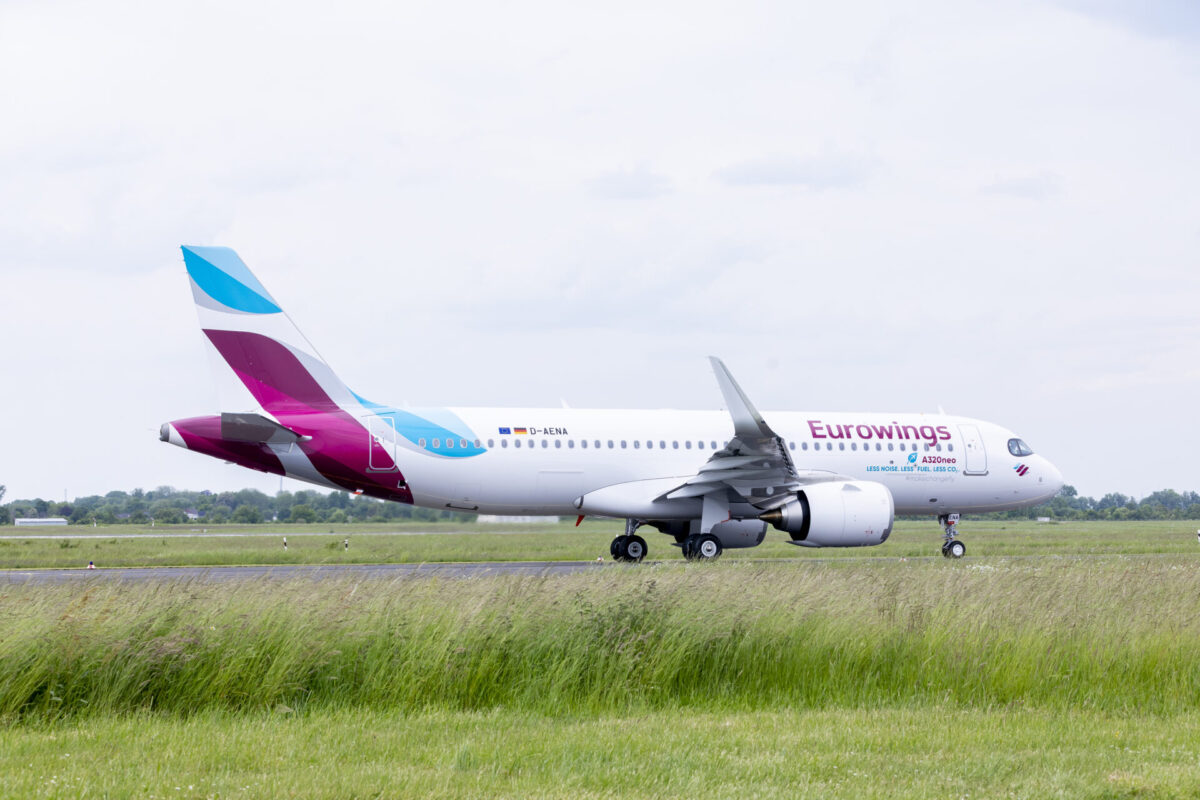
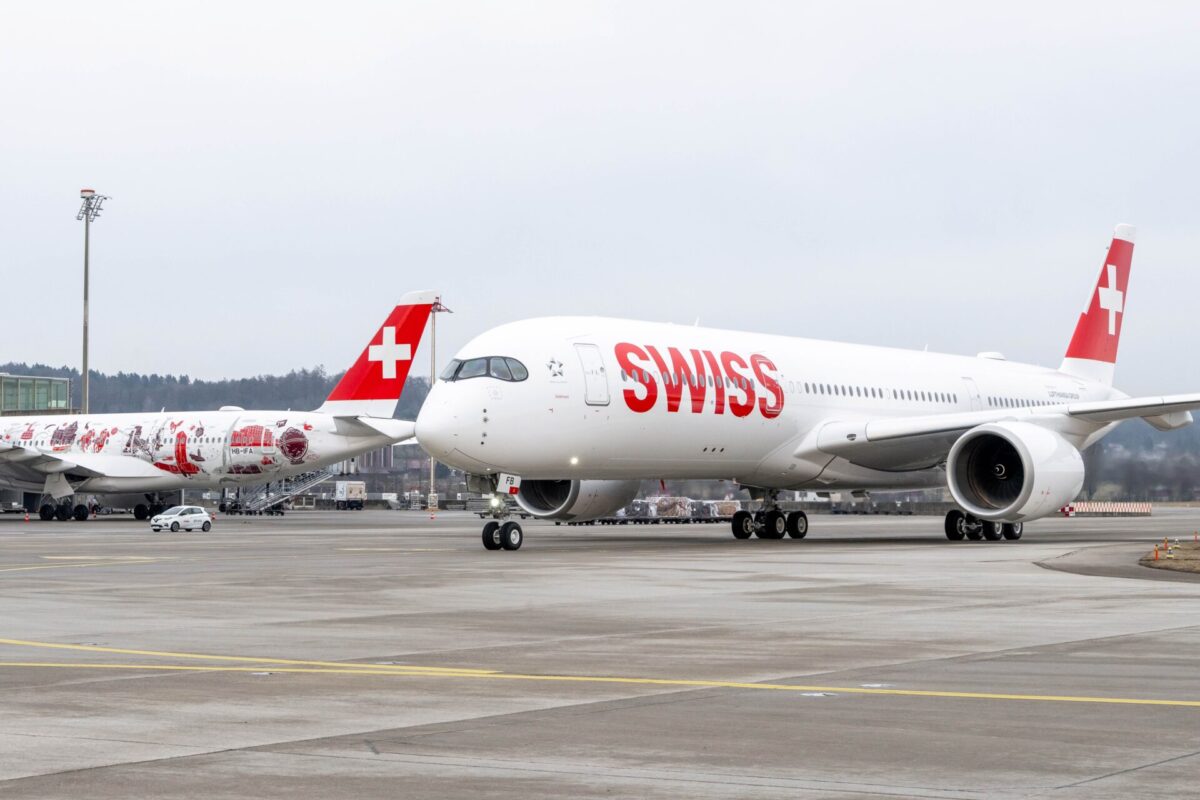
Lufthansa Group airlines include, Austrian Airlines, Brussels Airlines, Discover Airlines, Eurowings, ITA Airways, Lufthansa and Swiss International Air Lines.
Lufthansa Group’s full results are available on the company’s website.