

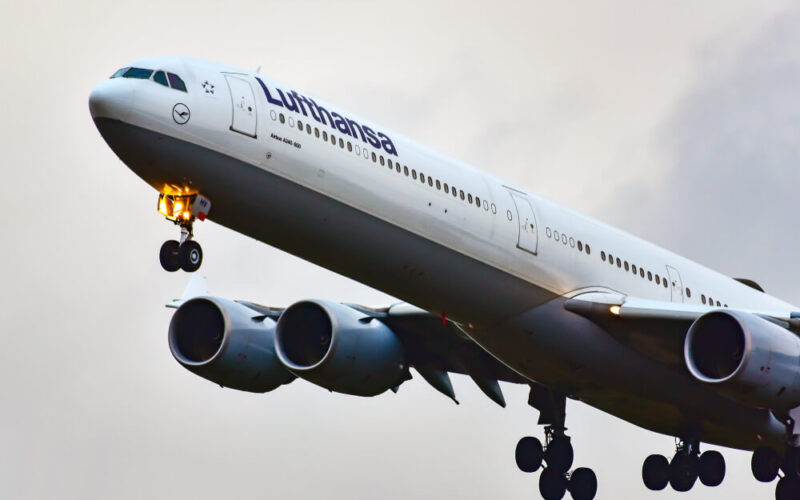
Lufthansa has delayed the planned resumption of direct flights between Frankfurt and Tehran as widespread protests and deteriorating security conditions in Iran continue to unsettle international carriers. The German flag carrier had been preparing to restore its Frankfurt-Imam Khomeini International Airport service on January 16, 2026, following a roughly six-month suspension, but now says it will not return to the route until at least late January, citing safety concerns for passengers and crew.
The service had been paused in mid-2025 after Tehran and much of the Middle East became a challenging and unpredictable operating environment for international airlines. Last year saw regional tensions flare after Israeli strikes on Iranian territory and subsequent missile exchanges disrupted air traffic across the broader region, prompting airlines to cancel or divert flights and avoid sensitive airspace.
Lufthansa’s latest postponement comes as anti-government protests that began in late December have continued to escalate. Demonstrations across multiple Iranian cities, triggered by economic distress and a plunging rial, have drawn heavy crackdowns by authorities and widened into a sustained political challenge for the clerical leadership. Broad internet outages and reports of hundreds of protesters being gunned down by security forces have compounded concerns about stability in the country’s capital and other population centers.
Dozens of flights in and out of Tehran were canceled over the weekend, with several carriers suspending services or adjusting schedules as the situation unfolded. Emirates, Qatar Airways, Turkish Airlines, flydubai, Pegasus, and others reported disruptions to their Iranian routes, while Austrian Airlines—the only European carrier still operating in the market earlier in the week—also halted flights amid growing uncertainty.
Lufthansa’s decision underscores the persistent challenge airlines face when balancing commercial service with security considerations in geopolitically volatile regions. Although the Lufthansa Group had eyed a January return to Tehran after nearly seven months off the schedule, the company said on January 12 that it would instead defer that restart until at least January 28 and monitor conditions closely.
Safety remains the central determinant in airline decision-making, and carriers typically factor in not only immediate protest activity but also broader risk indicators such as civil unrest, infrastructure disruption, and the potential for rapid escalation. In Iran’s case, regional dynamics including past military exchanges and ongoing diplomatic tensions add layers of complexity to route planning and risk assessment, even for airlines that do not overfly conflict zones directly.
The latest series of cancellations and suspensions follows several rounds of airline pullbacks from Iranian destinations in early January as unrest gathered pace. Flight tracking data showed dozens of cancellations between Tehran and hubs such as Dubai and Istanbul in the days leading up to the postponement announcement, reflecting both precautionary planning and airline responses to passenger demand collapse amid the crisis.