


San Diego-based Natilus has selected Composites Universal Group (CUG) to manufacture the wings for the full-scale prototype of its Kona blended-wing-body regional freighter.
CUG will build the wings at its facility in Oregon, the companies announced on November 11, 2026, with delivery to Natilus scheduled for spring 2027. The manufacturer plans to use a streamlined tooling process to reduce costs and shorten production time.
CUG has previously worked with Airbus Defence and Space, Boeing, Archer Aviation and SpaceX. The contract value was not disclosed.
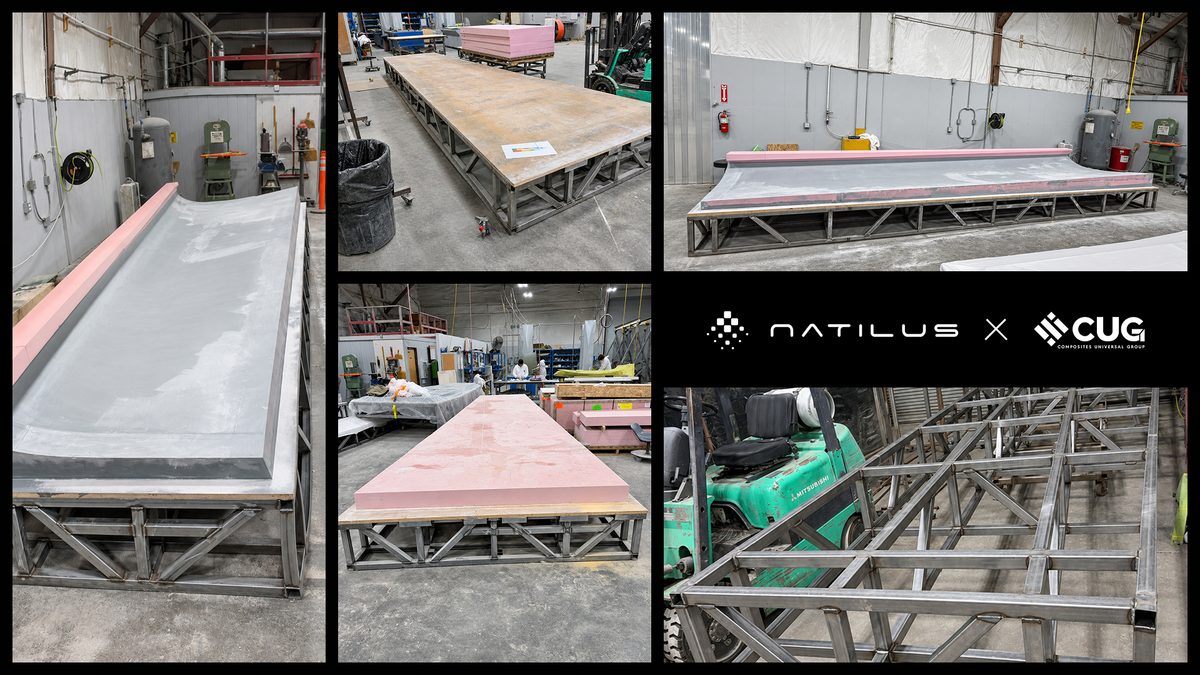
Kona combines blended-wing design with conventional construction
Although Kona’s fuselage blends into the wing to generate lift, its wings use a conventional spar-and-rib structure, aerospace materials meeting FAA standards, and cable-and-pulley flight controls. They will also be dry wings, with no internal fuel tanks.
“Kona’s blended wing may look different than any plane on the market today, but we are utilizing off-the-shelf technology for the wing build,” said Natilus CEO Aleksey Matyushev.
The wings will be built from carbon fiber rather than aluminum, a choice Natilus says improves corrosion and fatigue resistance while reducing the number of parts and fasteners required.
Once delivered to Natilus’ hangar in San Diego, the wings will undergo material coupon and bonded-joint testing, followed by limit-load testing ahead of the full-scale demonstration flight.
The announcement does not specify a first-flight date. However, when Natilus announced its $28 million Series A funding round on February 10, 2026, it said the prototype was expected to fly within 24 months.
US Air Force backs Kona development for contested logistics
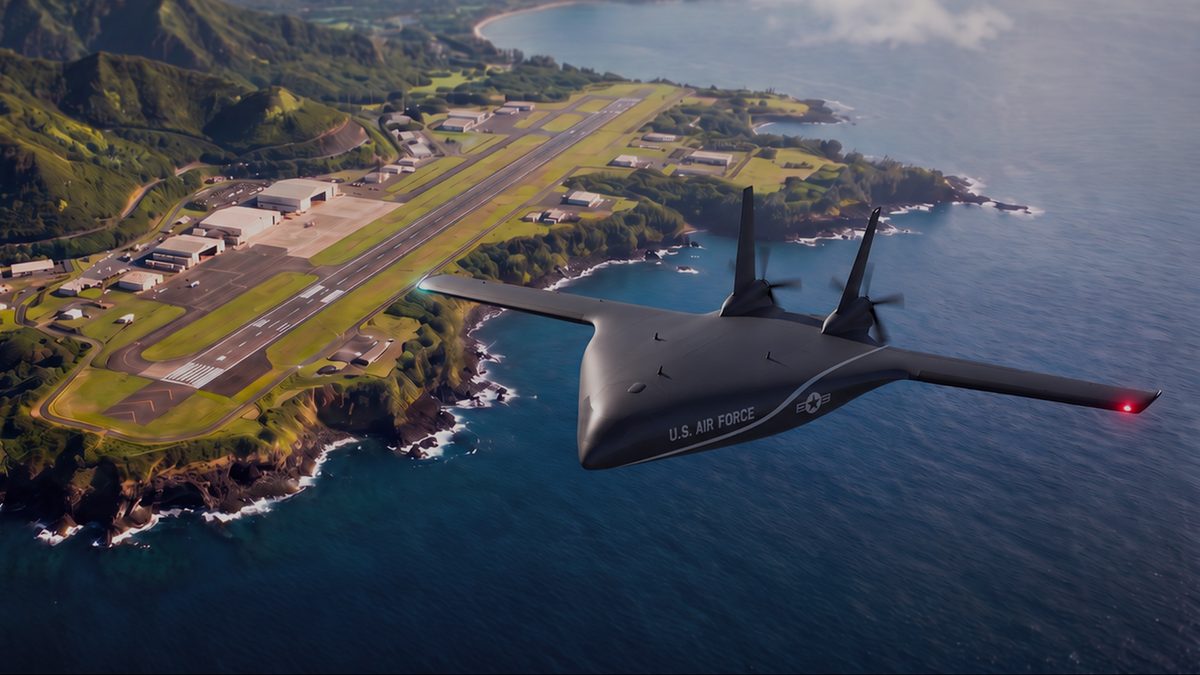
The wing contract follows a $3.5 million research, development, test and evaluation award from the US Air Force, announced by Natilus on October 21, 2026.
The funding, provided through the office of the Assistant Secretary of the Air Force for Energy, Installations and Environment, is intended to advance Kona toward full-scale flight testing and a demonstration relevant to US Joint Force operations.
“In a fuel-constrained environment like the Pacific, efficiency translates directly into operational flexibility,” Jim Hartle, Associate Deputy Assistant Secretary of the Air Force for Operational Energy, Safety and Occupational Health, said in the October release.
Natilus describes Kona as an optionally piloted aircraft with a payload capacity of 3.8 metric tons (about 8,400 pounds) and a range of approximately 1,480 kilometers (800 nautical miles). Designed for regional cargo operations and short-field performance, the aircraft is being developed under the FAA’s Part 23 certification framework.
Natilus targets commercial and military cargo markets
Natilus says it holds more than 570 aircraft pre-orders valued at $24 billion. The company claims its blended-wing-body designs can reduce fuel consumption by 30% and operating costs by 50% compared with conventional aircraft, while increasing payload capacity by 40%.
Canadian charter airline Nolinor Aviation reserved Kona production slots in February 2025, with plans to deploy the aircraft on unpaved runways serving remote northern locations.