
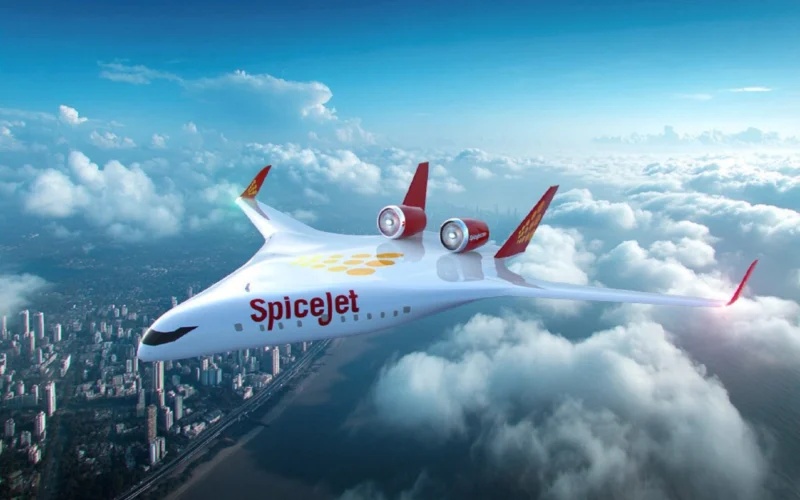
US start-up Natilus and SpiceJet have formed a partnership to help launch blended-wing-body (BWB) aircraft in India, with the promise of a potential order forming part of the plans.
On December 17, 2025, the two companies confirmed that the US aerospace manufacturer will enter the Indian aviation sphere as a newly established subsidiary named Natilus India.
Under the agreement, SpiceJet will assist Natilus in gaining certification in India. Once certification is achieved, the carrier plans to order 100 Horizon blended-wing aircraft.
“In line with our commitment to encouraging innovation and sustainability in aviation, SpiceJet is proud to support Natilus in developing this next-generation aircraft. Once certified, the HORIZON, with its efficiency and compatibility with existing airport infrastructure, could be a strong fit for our future fleet,” said Ajay Singh, Chairman and Managing Director, SpiceJet.
A press release published by the two partners, highlights that Indian carriers will require more than 2,200 new planes by 2040 to meet demand.
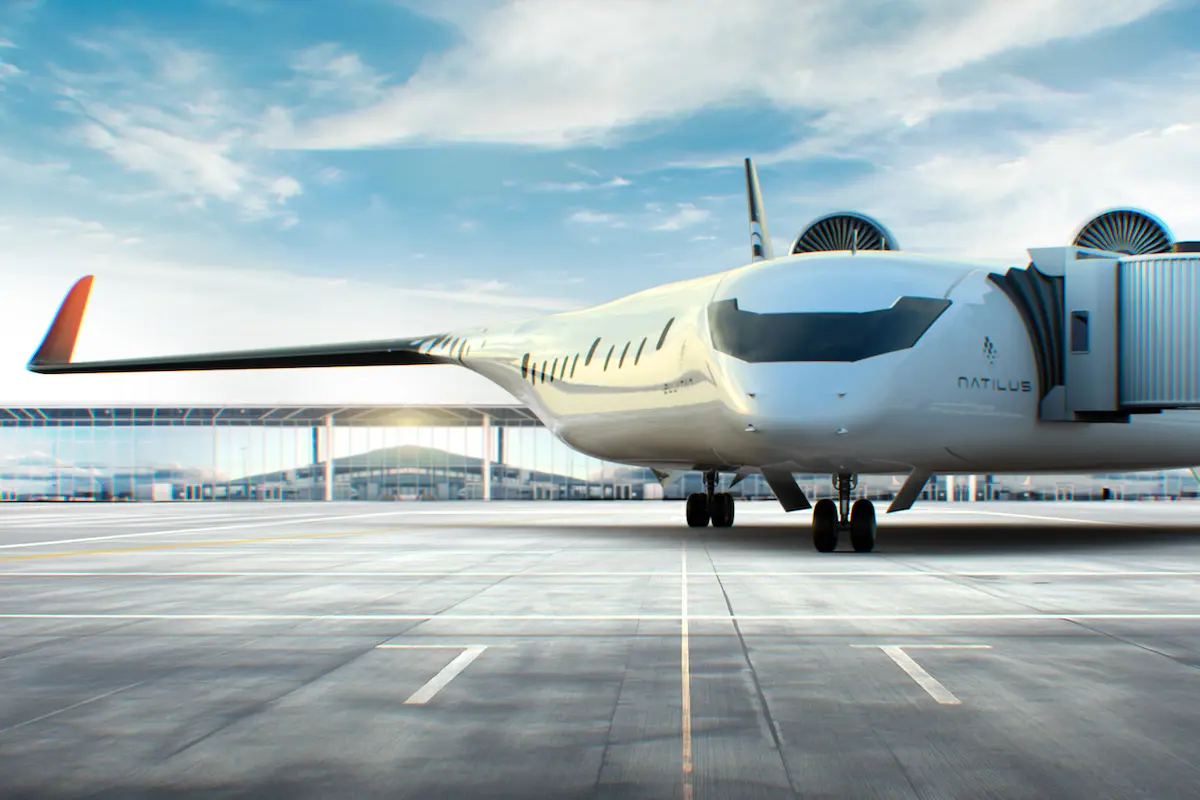
Natilus is currently pursuing Part 25 certification for Horizon through the Federal Aviation Administration (FAA) and is working with the Indian Directorate General of Civil Aviation (DGCA) for certification in India.
As well as Horizon, Natilus is also developing its cargo-only aircraft concept, Kona, which also uses a blended-wing structure.
“As an airline at the forefront of embracing technological innovation, SpiceJet is the ideal customer for HORIZON as we look to meet the needs of India’s underserved market,” said Natilus CEO Aleksey Matyushev. “With our new subsidiary, we look forward to exploring partnerships with premier Indian OEMs and bringing innovative new aircraft to valued customers like SpiceJet.”
Natilus’ blended-wing passenger aircraft will carry 240 passengers and reportedly “provide 40% more interior space, while reducing fuel costs by 30%, carbon emissions by 50% and operational costs by 50%”.
Horizon is expected to enter the market in the early 2030s. The company’s current commercial order book stands at over 570 aircraft to date, valued at $8.7 billion.
Earlier this year, Natilus unveiled two possible cabin designs: a high density one for 196 passengers (40 first class seats with a 38″ pitch, 48 economy+ with a 34″ of pitch and 108 in economy at 31″ pitch), and a less dense premium one for 164 passengers.
Natilus India will be headquartered in Mumbai and led by Ravi Bhatia, the developer’s new Regional Director.
1 comment
NAUTILUS aircraft seat configuration of 40 First Class seats is far-fetched plan. Todays Emirates A380 has 14 seats, yesterday years BA747s also had 14 First class seats. How does Spice jet aims to find 40 passengers for its Nautilus