

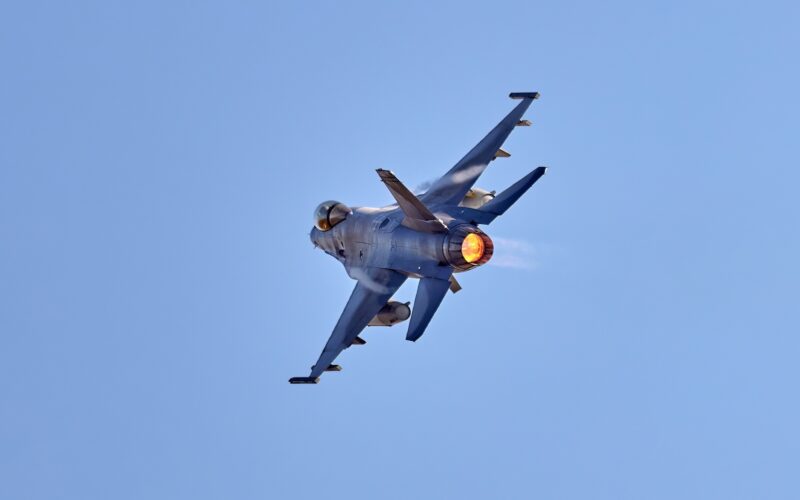
Lying in bed early on the first Saturday in June, the sound of songbirds chirping outside my suburban New Jersey home was suddenly interrupted by the roar of a fighter jet in full afterburner.
I couldn’t see the source of the rumble overhead, but I knew what it had to be. Low-flying military jets over this part of New Jersey are rare. My first thought was that a general aviation pilot had blundered into the temporary flight restriction, or TFR, around President Donald Trump’s golf club in nearby Bedminster, New Jersey.
Presidential TFRs around the Trump National golf course typically include a 10 nautical mile inner ring, where general aviation operations are heavily restricted, and a broader 30 nautical mile outer ring with additional requirements for pilots operating in the area.
I knew Trump was expected to be in Bedminster that weekend, so I grabbed my phone and pulled up FlightAware to see if my hunch was right. Sure enough, a Cessna that had departed from a local airport appeared to be involved in an unfolding intercept by the military jet. As the Cessna continued flying north out of restricted airspace, I watched on my phone screen as a second jet briefly joined the chase.

The intercepts have involved multiple other wayward GA pilots. The North American Aerospace Defense Command (NORAD) said it had responded to an unprecedented number of unauthorized aircraft incursions into FAA-issued TFRs in the New York and New Jersey region in first two weeks of June.
NORAD on June 11, 2026, confirmed that F-16 fighters have intercepted more than a dozen general aviation aircraft that violated the TFR airspace since June 1. One confirmed case happened near Keansburg, New Jersey, at about 13:40 local time on June 6. The aircraft was safely escorted out of the area after the fighter used flares to attract the pilot’s attention.
NORAD said the increase highlights the need for pilots to review current notices to airmen, TFRs and flight-planning information before every flight. Even inadvertent entry into restricted airspace can trigger a military response and create safety and security concerns for the National Airspace System.
“TFRs are established to protect national security, public safety, and sensitive operations,” NORAD said in its June 11 advisory. “General aviation pilots play a critical role in maintaining the safety and integrity of the NAS by understanding airspace restrictions and ensuring compliance with all applicable flight restrictions.”
The June 6 Bedminster intercept came during a weekend of heightened presidential-security airspace restrictions in northern New Jersey. The FAA had previously warned pilots to expect VIP movement in the Morristown and Bedminster area from June 5 through June 8.
Trump later traveled to New York City to attend Game 3 of the NBA Finals between the New York Knicks and San Antonio Spurs at Madison Square Garden on June 8, bringing additional security measures to one of the busiest airspace and transportation regions in the country.
NORAD said on June 8 that it had responded to nine general aviation aircraft that violated FAA TFR airspace over Bedminster during the weekend. All were safely escorted out of the area by NORAD aircraft.
The command warned that pilots who enter restricted airspace without authorization may be met by fighter aircraft, helicopters or other assets sent to identify and monitor the aircraft. TFR violations can result in intercept procedures, flight disruptions, FAA enforcement action and broader air traffic impacts.
“Most TFR violations are preventable and can be avoided through thorough preflight planning,” said Royal Canadian Air Force Major-General David Moar, director of NORAD operations. “Reviewing NOTAMs and checking for active TFRs before every flight are essential responsibilities for all pilots. Increased awareness across the general aviation community helps enhance aviation safety and reduces the need for NORAD response activities.”
NORAD said pilots intercepted by military aircraft should immediately tune to 121.5 MHz or 243.0 MHz and turn around to reverse course until receiving further instructions on one of those frequencies.
The agency also urged pilots to review FAA guidance on TFRs and visual interception procedures and comply immediately with instructions from air traffic control and NORAD authorities if intercepted.