

House votes down ROTOR Act
The House voted down the ROTOR Act on February 24, 2026, rejecting bipartisan aviation safety legislation that would have required most aircraft to carry advanced tracking technology. Lawmakers defeated the measure after the Defense Department withdrew its support one day earlier, citing national security and cost concerns. The bill had passed the Senate unanimously in December and initially appeared likely to clear the House.
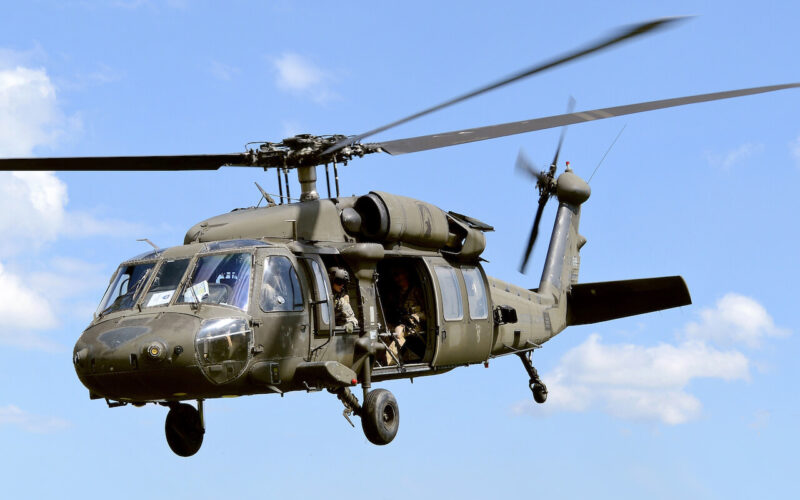
The Pentagon has withdrawn its support for the ROTOR Act, a bipartisan aviation safety bill drafted after the January 29, 2025, midair collision of a American Eagle-coded regional jet and Army Black hawk helicopter near Ronald Reagan Washington National Airport (DCA) that killed 67 people.
The Senate passed the legislation unanimously in December 2025. The House had been expected to vote on the measure this week. The Defense Department’s reversal has introduced uncertainty ahead of that vote.
Pentagon spokesman Sean Parnell said the bill would create unresolved budget burdens and operational security risks affecting national defense activities. He also said the Senate failed to incorporate several updates that had been discussed with the department, though he did not detail those concerns.
Senate Commerce Committee Chairman Ted Cruz, R-Texas, and Ranking Member Maria Cantwell, D-Wash., said the legislation includes language requested by the Pentagon to protect classified operations. They said they look forward to the bill’s passage.
House committee leaders have also raised objections. Transportation and Infrastructure Committee Chairman Sam Graves, R-Mo., said the measure takes an “overly prescriptive approach” by mandating specific technology. Armed Services Committee Chairman Mike Rogers, R-Ala., said the bill represents a “flawed” response to the collision and could undermine national security.
The ROTOR Act would require safety reviews of flight routes at large and midsize airports. It would limit the circumstances under which military aircraft could disable location broadcasting systems such as ADS-B. It would also require most aircraft to equip with location tracking technology, including ADS-B In, by the end of 2031.
The National Transportation Safety Board’s final report on the collision concluded that if the aircraft involved had been equipped with ADS-B In, pilots would have received substantially more warning before impact.
The legislation has drawn support from labor groups, the NTSB chair, and representatives of families of those killed in the crash.
Opponents in the House have instead promoted an alternative measure known as the ALERT Act. Backers of that proposal argue it takes a broader approach to aviation safety recommendations and avoids mandating specific technology on a fixed timeline.
House leadership has not indicated whether it will delay the vote. The bill requires a two-thirds majority to pass under the procedure scheduled for this week.
1 comment
The Pentagon cites cost concerns? But the FBI chief flies the government private jet to party in Italy? Oh yes, sorry, totally unrelated issues. My bad.