

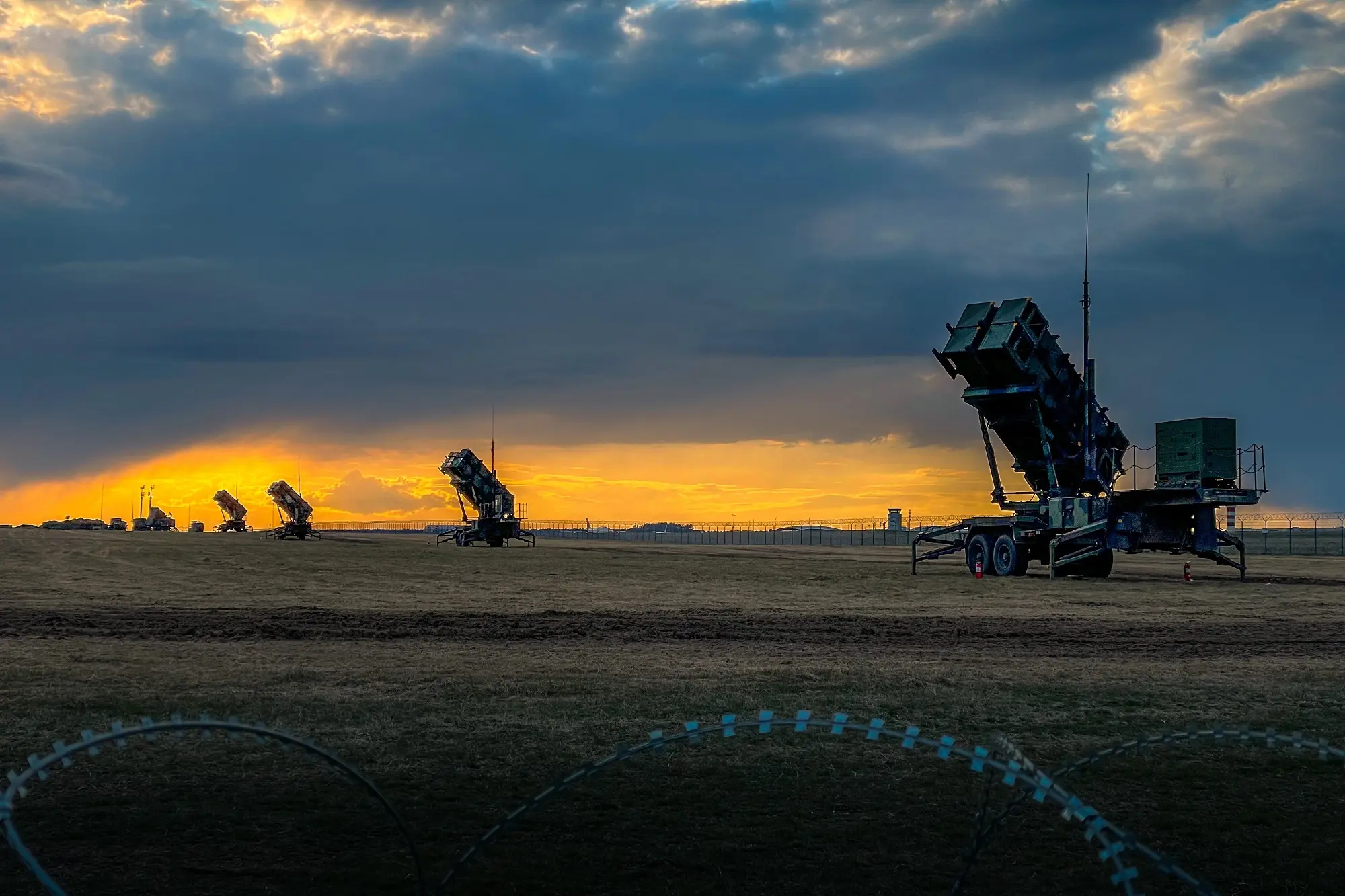
Poland’s air navigation agency, PANSA, will impose a new restricted airspace zone along the country’s eastern border from June 10, 2026, continuing flight curbs first introduced after Russian drones breached Polish airspace in September 2025.
The restriction, designated EP R131, was requested by Poland’s Armed Forces Operational Command on national security grounds. It takes effect at 00:00 UTC on June 10, 2026, and runs until 23:59 UTC on September 9, 2026. The zone replaces the current EP R130 restriction and is, in PANSA’s words, effectively a continuation of it.
What the zone covers
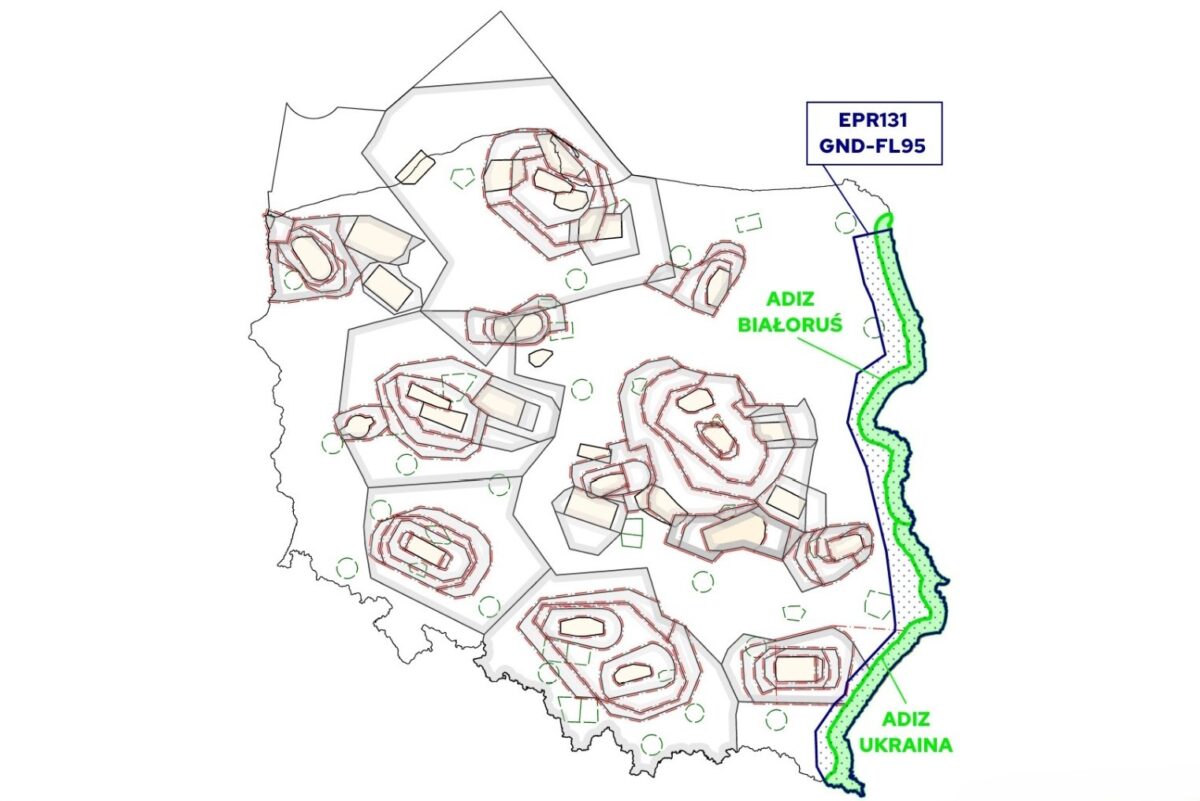
EP R131 spans the airspace from ground level up to FL95, roughly three kilometers, meaning it does not affect passenger jets operating at higher cruise altitudes. The zone is active 24 hours a day and, depending on location, extends between about 20 and 50 kilometers into Polish territory along the borders with Belarus and Ukraine.
The legal basis is a regulation by the Minister of Infrastructure from January 18, 2019, permitting flight restrictions for periods of no longer than three months.
Day and night rules
From sunset to sunrise, a total flight ban applies inside EP R131, with exemptions only for military aircraft and for takeoffs and landings at Depułtycze Królewskie Airfield coordinated with the air operations center COP-DKP. During these hours the zone becomes unclassified airspace.
From sunrise to sunset, flights are barred except for manned aircraft operating on a filed flight plan with a working SSR transponder and continuous radio contact, flights launched under GARDA or ALPHA SCRAMBLE orders, aircraft with HEAD, STATE, SAR, HOSP, MEDEVAC, or FFR status, and civilian drones that do not enter the Belarusian or Ukrainian air defense identification zones.
Concerns over repeated renewals
The measure follows the earlier EP R129 and EP R130 zones, the first of which PANSA introduced after up to 21 Russian drones crossed into Polish airspace on the night of September 9 to 10, 2025, prompting Warsaw to invoke Article 4 of the North Atlantic Treaty. Similar curbs were later adopted by Latvia and Lithuania.
Polish general aviation observers have questioned the practice of renewing near-identical zones every three months, arguing it sidesteps the three-month cap on flight restrictions and burdens recreational and light aviation, which bears the brunt of the long-running limits.