

After more than five decades of letting passengers fend for themselves during boarding, Southwest Airlines has officially ended the open seating policy that defined the carrier for generations of travelers.
Beginning on January 27, 2026, the airline switched to assigned seating, ending one of the most defining and polarizing passenger policies in US commercial aviation. The change takes effect by calendar date, meaning any Southwest flight departing on January 27 local airport time will operate under the new assigned-seating system.
That makes Flight 1791 from Honolulu to Los Angeles, scheduled to depart Monday evening in Hawaii, the final Southwest flight to board under open seating. After that aircraft pushes back, every Southwest departure worldwide will fall under the carrier’s new assigned-seating model.
For Southwest loyalists, the shift marks the end of an era. Open seating had been a core part of the airline’s identity since its earliest days, rewarding frequent flyers who mastered boarding position strategy and tolerated the occasional gate-area scrum. Supporters liked the simplicity and the lack of seat fees. Critics never warmed to the cattle-call boarding or the uncertainty of where they’d end up sitting.
Southwest says customer preference drove the change. Executives have acknowledged that many travelers were choosing competitors specifically because they wanted seat assignments and were willing to pay for them. The airline has also been upfront that the move is part of a broader effort to increase revenue and modernize its product.
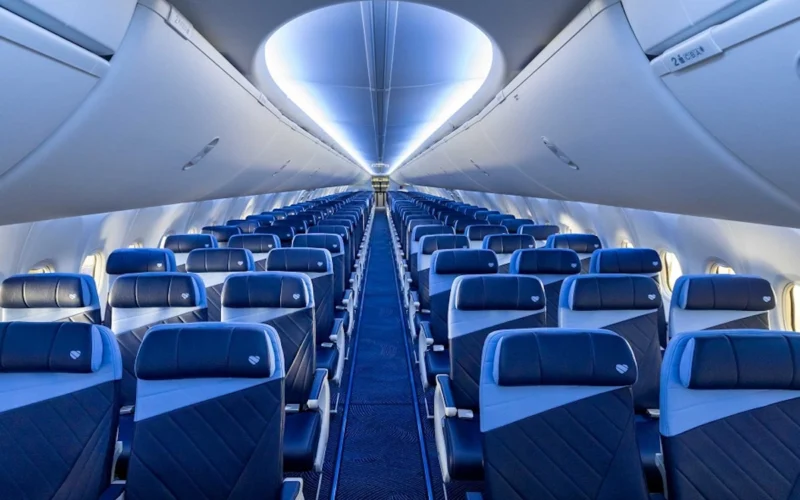
Under the new cabin layout, Southwest aircraft now feature three seating categories: Extra Legroom seats near the front and exit rows, Preferred seats in the middle of the cabin, and Standard seats toward the rear. Passengers select seats when booking, with access determined by fare bundle and frequent-flyer status.
The airline has also overhauled its boarding process. Instead of lining up by letter and number and hoping for the best, passengers are now assigned one of eight boarding groups. Higher-fare customers and elite members board first, while Basic and lower-tier fares go last.
The timing of the change is no accident. Southwest rolled out Extra Legroom seating last year, giving customers a preview of what monetized seating could look like. Assigned seating completes that transition, putting the airline more in line with legacy carriers it once proudly differentiated itself from.
Whether passengers embrace the change remains to be seen. For some, assigned seating removes stress and uncertainty. For others, it represents the loss of something uniquely Southwest.
Either way, when Flight 1791 lifts off from Honolulu, open seating goes with it, ending a 55-year experiment that helped define the airline, and ushering in a new chapter far more familiar to today’s travelers.