
When Aircraft Propeller Services set out to establish its first Asia Pacific facility in Malaysia, the company faced a formidable challenge: training a team to meet Collins Aerospace’s exacting original equipment manufacturer (OEM) standards, requiring the transference of knowledge from trainers based on opposite sides of the globe.
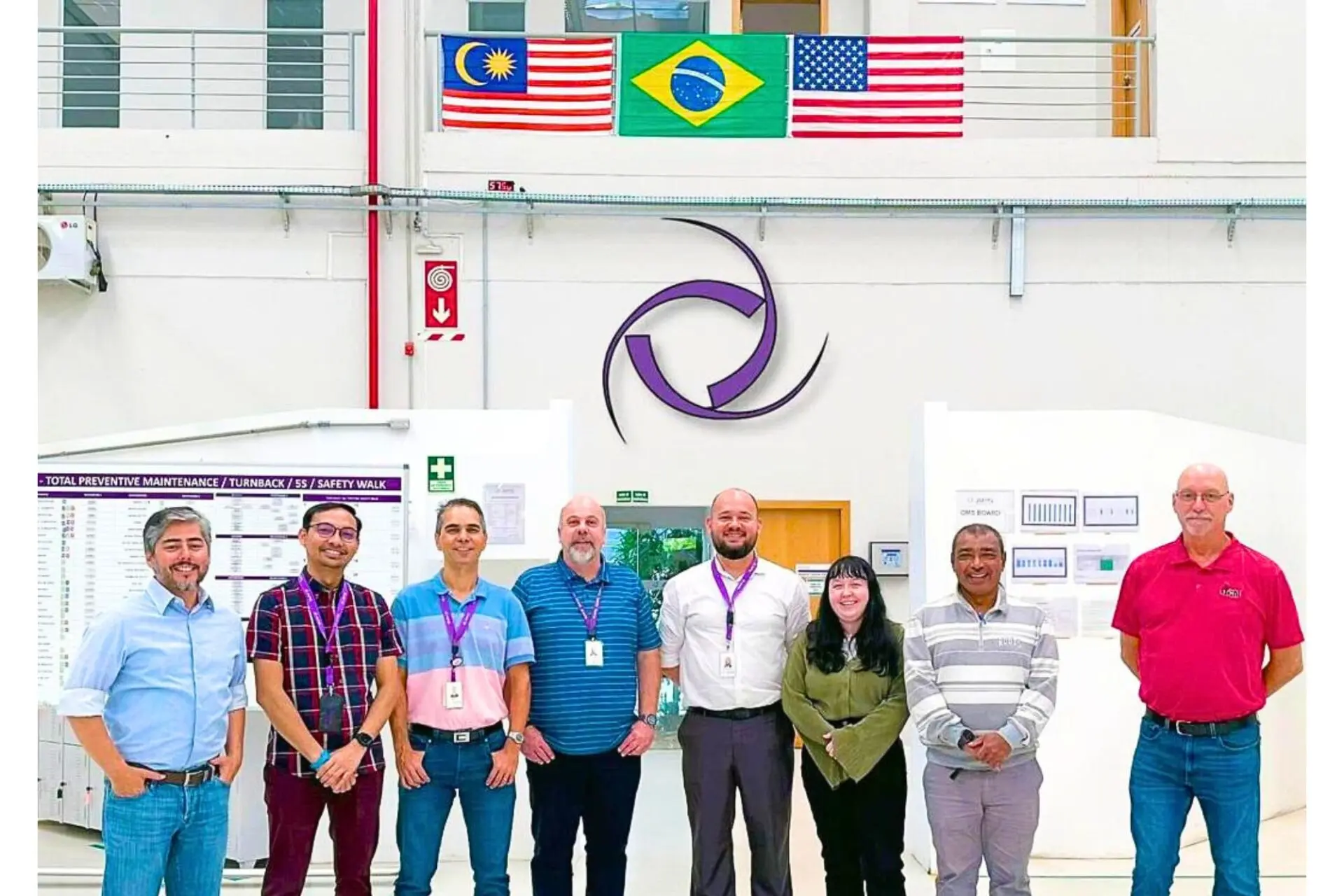
The solution required an unprecedented cross-continental collaboration, with experts from Lake Zurich, Illinois, and Atibaia, Sao Paulo, traveling thousands of miles to share knowledge, set up equipment, and ensure the new facility could match the standards of its American and Brazilian counterparts.
The effort brought together professionals whose combined expertise proved essential to launching APS Malaysia. Tuan Azli, recruited to serve as Director of Operations, became employee number two and helped to select the facility location from among 39 potential sites.
Chris Mays, Composite Blade Lead and Inspector with 25 years of aviation experience from Illinois, made three trips to Malaysia to help set up the shop floor and train certified staff on proprietary processes.
Felipe Franco, APS Brazil Operations Manager, also made three trips to Malaysia, bringing 25 years of aviation experience and firsthand knowledge from establishing the Brazilian facility years earlier.
And Orlando Alas, an ASNT NDT Level III inspector (Highest certification level from the American Society for Nondestructive Testing), also traveled from Illinois to train Malaysian technicians in the specialized field of nondestructive testing, a critical capability that is difficult to source locally.
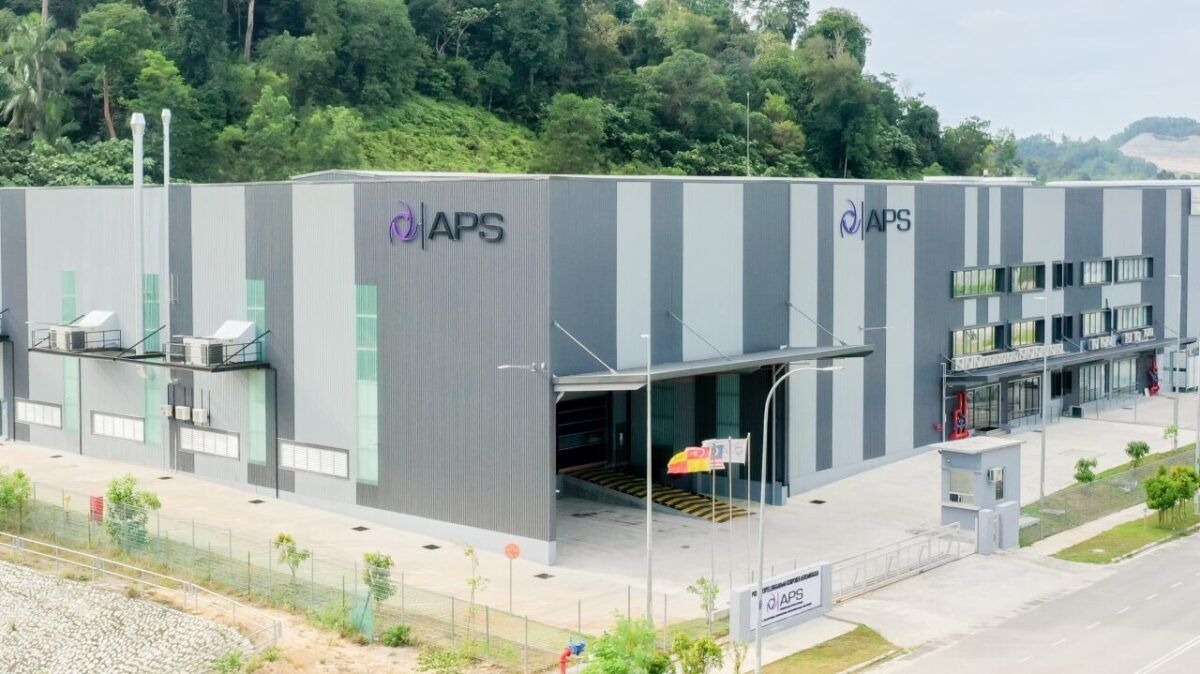
Together, they bridged continents, cultures and technical disciplines to establish what ultimately opened on June 24, 2025: Southeast Asia’s first propeller repair facility licensed by Collins Aerospace to perform 568F and 247F propeller system repairs and overhauls, powered entirely by Malaysian talent.
Tuan Azli: Building the foundation from site selection to operations
Azli, who is Malaysian, was recruited by Fergus Lopez, APS AP’s Managing Director. The pair had previously worked together at GKN Aerospace in Johor. Azli joined as employee number two, with a daunting first assignment.
“My very first task was to evaluate over 38 sites to decide which one was most suitable and most practical for us,” Azli told AeroTime. “So that was the first task that I undertook, even though I was still in the UAE at the time.”
Working alongside Lopez and the HR manager, Azli helped evaluate 38 potential locations within a 20-30 kilometer radius of Kuala Lumpur before finding the ideal spot in Shah Alam, Selangor: a building under construction near a logistics park, away from heavy traffic, with room to grow.
Once the location was secured, Azli focused on building the team, hiring approximately 25 people for the pioneer group. Training them, though, presented a unique challenge.
“APS is the only licensed facility or company by Collins to perform overhaul for the 568F/247F propeller sytems,” Azli explained. “In terms of the present, there is no company within ASEAN that can match APS’ capability.”
A multi-faceted training strategy
The extensive training requirements involved with establishing a brand new facility required splitting activities between the two established APS facilities. Ten technicians traveled to Lake Zurich, while ten went to Brazil, for intensive training programs lasting between two and four weeks, depending on their roles.
According to Azli, the training at both locations was identical. The split was purely logistical: the first batch of 10 technicians was hired two months before the second group, allowing time for their US visa applications to be processed. Once approved, they traveled to the US for training. The second batch of 10, hired later, went directly to Brazil to avoid visa delays, ensuring both groups could complete training around the same time.
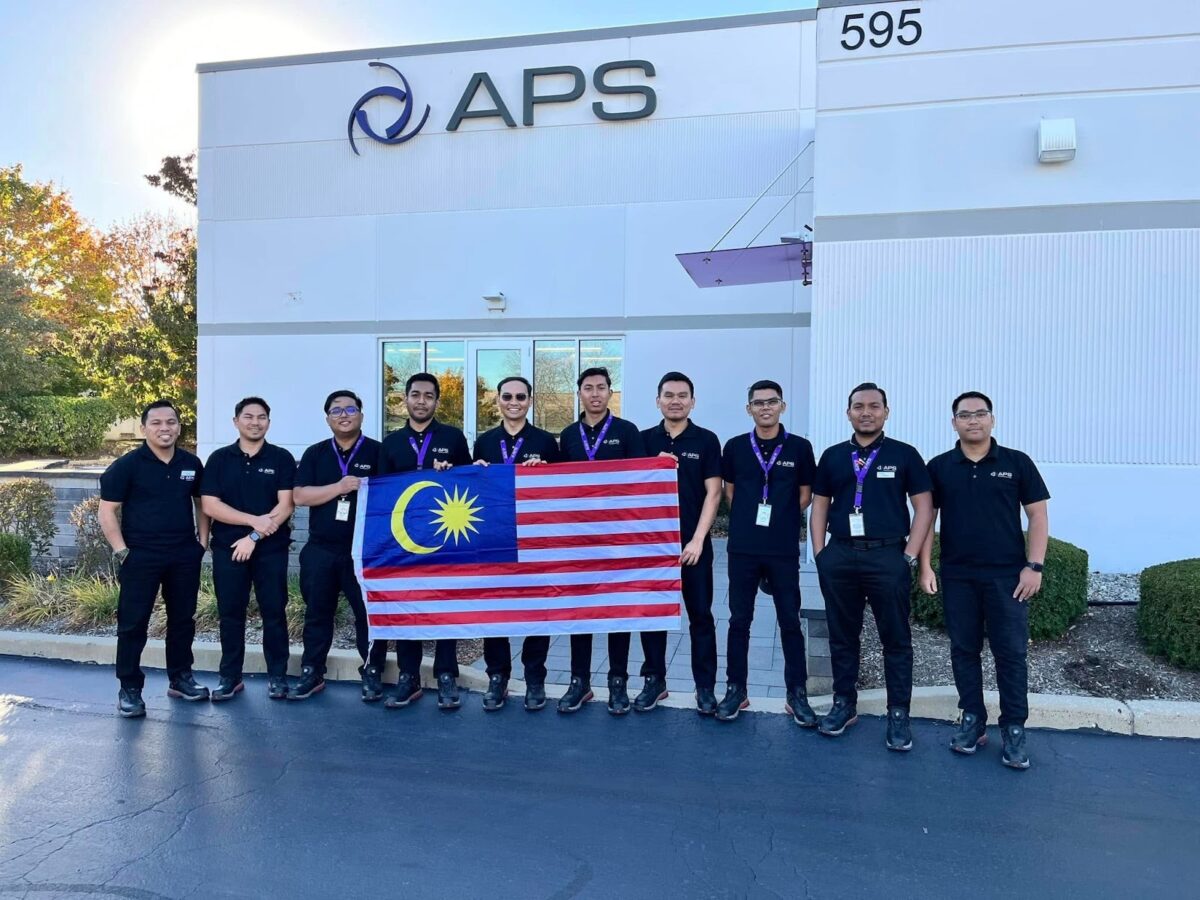
The training emphasized hands-on skill development under subject matter experts: senior mechanics with Triple T (Train the Trainer) certification from both US and Brazilian facilities. Production team members received extensive hands-on training with propeller components, while support staff in supply chain and customer service focused on mastering Quantum, the company’s ERP system.
“They talk less, but they learn a lot because it’s hands-on,” Azli noted, explaining how technical knowledge transfers effectively even across language barriers. “When we perform the work, it has to be according to the CMM— components maintenance manual. So when they conduct the training, there will always be a CMM in front of them, which is aviation language.”
Four-phase implementation
The training program extended beyond initial overseas sessions through a carefully orchestrated approach. Trainers from the US and Brazil traveled to Malaysia three times: first, for a month-long facility setup and equipment commissioning; then, to prepare for certification audits; and finally during first production runs, to ensure quality standards matched those of established facilities.
“We want to give assurance to customers that the product that came out from this facility will be identical to our shop in Brazil and US,” Azli said.
The facility became operational in June 2025 with approximately 20 operations staff. As Director of Operations, Azli’s responsibilities span operations, production, supply chain, facility management, and customer service— essentially everything except HR, finance, quality and sales.
With foundational training complete, APS Malaysia is now pursuing additional capabilities on an as-needed basis. Recently, five technicians returned from Brazil after training on new products such as actuators, a pattern Azli expects to continue as the facility expands its service offerings.
Chris Mays: Establishing composite operations in three visits
When Chris Mays first stepped into what would become APS Malaysia’s production facility, the space was nearly empty. While much machinery was in place, many items had not yet arrived. As a Composite Blade Lead and Inspector from Illinois, his role went far beyond training— he was there to support the Team to build the operation from the ground up.
“The first time I was basically helping them set up the shop,” Mays told AeroTime. “It was pretty empty, so we had to guide them on what tooling they needed and where it should be.” “I set aside quite a bit of time to revisit a lot they had done in training as a group.”
Mays made three trips to Malaysia, each with a different focus as the facility progressed toward opening. His expertise and Certification in compression wrap processes, gained during a three-week training stint in 2015 at Collins Aerospace’s OEM facility in Figeac, France proved essential to establishing Malaysia’s capability.
Organizing for success
During his second visit, around a month after the first, equipment had arrived and required systematic organization. Mays worked methodically through every department, making teams remove unnecessary items and stock only what each station needed.
“I basically helped them set up every station with all the tooling that they needed just for that station,” he said. “I had them put on a big whiteboard for each station what was missing.”
That visit also involved quality audits with APS’s quality manager, a critical step that took considerable time before the facility could open. “There were a lot of items that they had to correct, to no fault of their own. There is a lot to it.” Mays noted, as the facility worked to meet the stringent requirements of Collins Aerospace’s license. “By the time we left there two weeks later, it was a different shop. Needed items arrived and put in place. And Quality items corrected. Things moved very quickly. It was impressive.”
Beyond the manual: practical training
At Lake Zurich, Illinois Mays trained three Malaysian technicians destined to become certified staff, as secondary inspectors who sign off on compression wrap processes. The training covered microscope work, calibration procedures, process validation, technical data interpretation, and installation techniques for components like deicers and nickel sheaths.
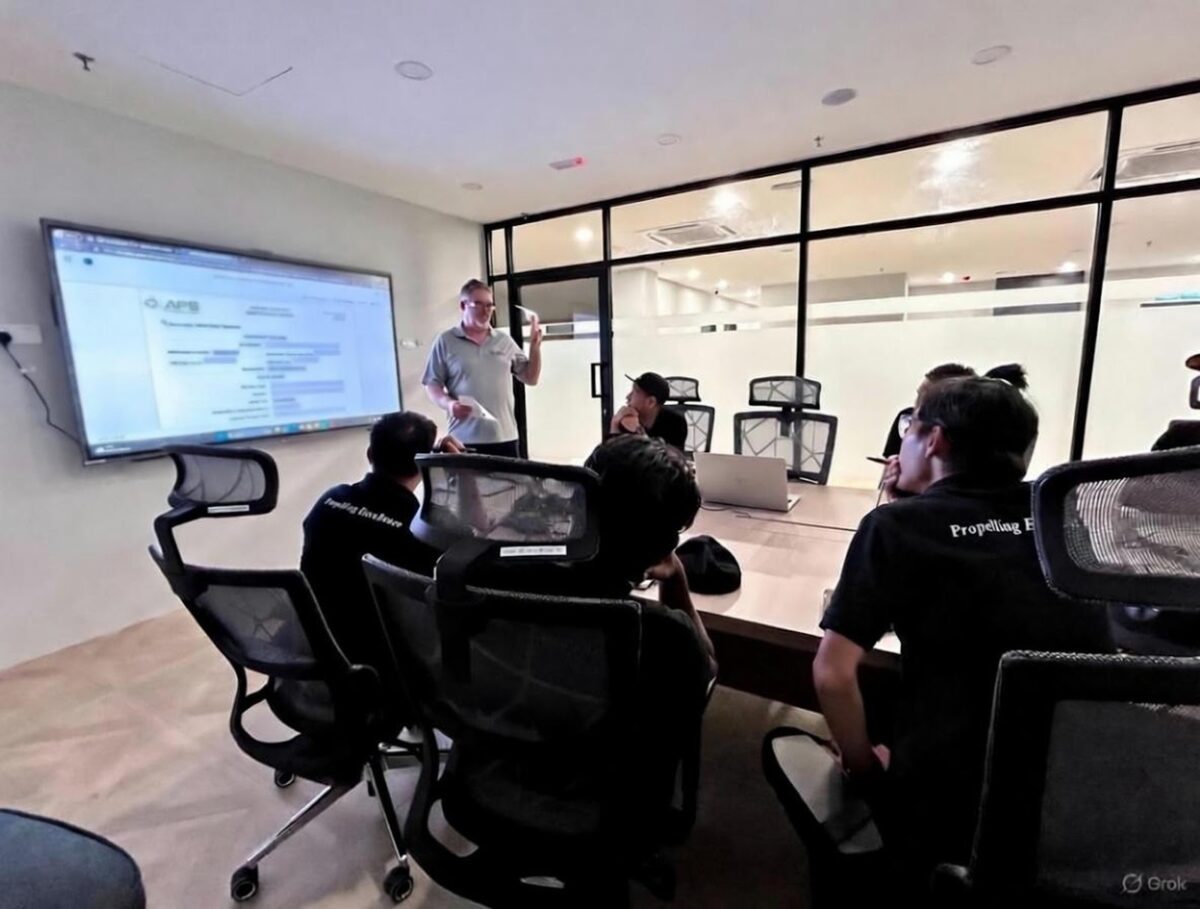
Mays’ teaching philosophy relied on demonstration first then in depth review of documentation and technical data. “Sometimes I don’t even have them read first—I’ll show them how it’s done, then I have them read the documentation and tech data so they better understand what I just did.”, he explained.
The method proved effective partly because aviation manuals can be difficult to parse. “The publications can be quite complicated especially for the proprietary processes.”
From training to production
By his third visit to Malaysia, the facility was ready for actual production, a testament to the team’s quick learning and dedication.”They worked so hard to get things right and ready to go. They had some late nights.”
The Malaysian team’s work ethic and professionalism impressed Mays throughout the process. “They were very willing to work, very interested in what was going on, very gracious, wanting to make sure that my time there was comfortable,” he said. “ I hope we made their time here enjoyable, for most it was their first time in the US”.
Beyond the technical collaboration, Mays found unexpected cultural common ground. The team’s sense of humor aligned with his own sarcastic style, something he attributed to their exposure to American movies and television. “We just had a great time, they were a lot of fun.” he admits.
“It was great to come together from opposite sides of the world, from different cultures and backgrounds to achieve this goal,” Mays reflected. “It was a pleasure working with the Malaysian team and I look forward to our future collaborations.”
Felipe Franco: Bridging Brazil and Malaysia through shared experience
When Felipe Franco first arrived in Malaysia, he carried with him something no manual could provide: the memory of every challenge APS Brazil had faced when it opened its doors in 2016.
As APS Brazil Operations Manager, Franco brought 25 years of aviation experience shaped by major Brazilian operators including LATAM Airlines, Embraer, GOL Airlines, and Collins Aerospace’s Aerostructures facility which coincidentally, is the very same building that now houses APS Brazil. His deep familiarity with composite operations and his hands-on role in establishing the Brazilian shop years earlier became essential assets during Malaysia’s start-up phase.
Like Chris Mays, Franco made three technical visits to Malaysia, each aligned with a different stage of the facility’s progression toward operational readiness.
First visit: Anticipating problems before they occur
Franco’s first trip was marked by a unique advantage: he already knew exactly what could go wrong.
“When APS Brazil opened in 2016, I lived through every challenge of bringing the machines online for the first time,” Franco recalled. “Because the equipment in Malaysia was practically identical, I could anticipate the issues and help the team avoid delays.”
Franco traveled with Fabio Nascimento, who had been responsible for the Brazilian shop during its original start-up. Together, the two repeated a familiar journey, this time in Kuala Lumpur.
“The machines had been inactive for several years,” he explained. “During power on, anything can happen. If it had happened in Brazil before, I already knew how to troubleshoot it and get things running.”
Beyond the technical setup, Franco also supported the team in mapping process flow, checking material requirements, and helping reorganize the supply chain and process sequence, ensuring that Malaysia started with a strong and proven operational foundation.
Second visit: Training meets troubleshooting
The second visit was intended to focus mainly on On-the-Job Training (OJT) for the Malaysian technicians. But a new challenge quickly emerged: several core machines were still not fully operational.
“The adhesive curing machines were completely down because the team didn’t have access to the previously installed software,” Franco noted. “With support from the team in Brazil, I was able to reinstall and update the systems using the same setup we run back home—and get them working again.”
During this trip, Franco also recovered and stabilized machines that showed remaining operational faults, completed final configuration alignments between Brazil and Malaysia, and continued hands-on training with the technicians across all stations.
His presence ensured the facility could finally transition from preparation mode to full readiness.
Third visit: First blades off the line
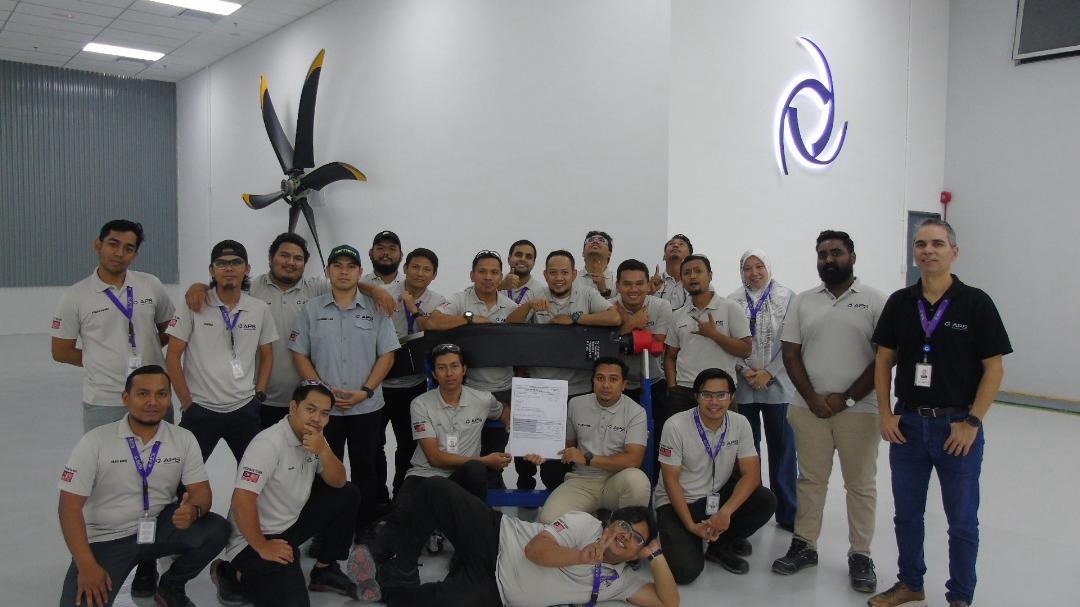
By the time Franco returned for his third and final visit, APS Malaysia was ready for its biggest milestone yet: producing its first two composite blades.
“With my experience in sequencing blade repairs and knowing exactly how and when each process should be done, I mapped out every step they needed to follow,” Franco explained. “The Malaysian team executed everything with incredible motivation—and they actually exceeded what we had planned.”
Both blades were completed before Franco’s final day on site, marking the true operational beginning of APS Asia-Pacific.
A bridge built on mutual respect
Despite his role as a mentor, Franco emphasizes that the experience was deeply enriching for him as well.
“My learning was even greater than what I was able to teach,” he reflected. “The exchange of ideas, the cultural connection, the teamwork—it was a personal and professional gain for all of us.”
The collaboration between APS Brazil and APS Malaysia not only accelerated the shop’s readiness but also built a long-term bridge of knowledge between the two regions.
“It was inspiring to see how committed the team was,” Franco said. “Working side by side, sharing cultures and solving problems together—it’s something I will carry with me for the rest of my career.”
Orlando Alas: precision testing across time zones
Finding certified nondestructive testing inspectors in Malaysia proved particularly challenging, especially for ultrasonic inspection, one of the most difficult NDT methods to master. That’s where Orlando Alas became indispensable.
As an ASNT NDT Level III inspector at APS Lake Zurich, Alas holds the highest certification level with authority to train and certify others. He was trained in Figeac by Collins Aerospace and he is authorized to train APS NDT inspectors to perform the ultrasound inspection in accordance with the component maintenance manual.
Two-continent training program
Alas’s involvement began in April 2024, when he was asked by Azli for advice in hiring NDT technicians. Eventually, one Malaysian NDT technician traveled to Lake Zurich for two weeks of comprehensive training covering magnetic particle, liquid penetrant, and ultrasonic inspections across various components beyond just propeller blades.
Later Alas traveled to Malaysia to train four technicians, focusing on ultrasonic inspection of composite blade areas. Blades and educational samples were prepared by Alas in the US and sent to Malaysia. The week-long program included theoretical instruction, hands-on practice and testing.
“The training has the normal parts— the theoretical parts, then the practical part and the test,” Alas said. “We spent around one week training them.”
His responsibilities extended beyond instruction. During his Malaysia visit, Alas audited the NDT area to ensure proper equipment and procedures were in place, and continued advising on equipment acquisitions after returning to Lake Zurich.
Support without borders
Even after the Malaysian team independently handled formal training and their first production run, Alas remained available for questions via email and WhatsApp, often responding late into the evening.
Alas welcomed regular questions from the team, understanding that technical training requires ongoing clarification as technicians apply their knowledge in practice.
According to Alas, NDT certification requires ongoing commitment. Inspectors must recertify every five years and complete annual eye examinations. Currently, only one Level III inspector works at Lake Zurich, with another in Brazil, while Malaysia is developing its first.
Building connections beyond training
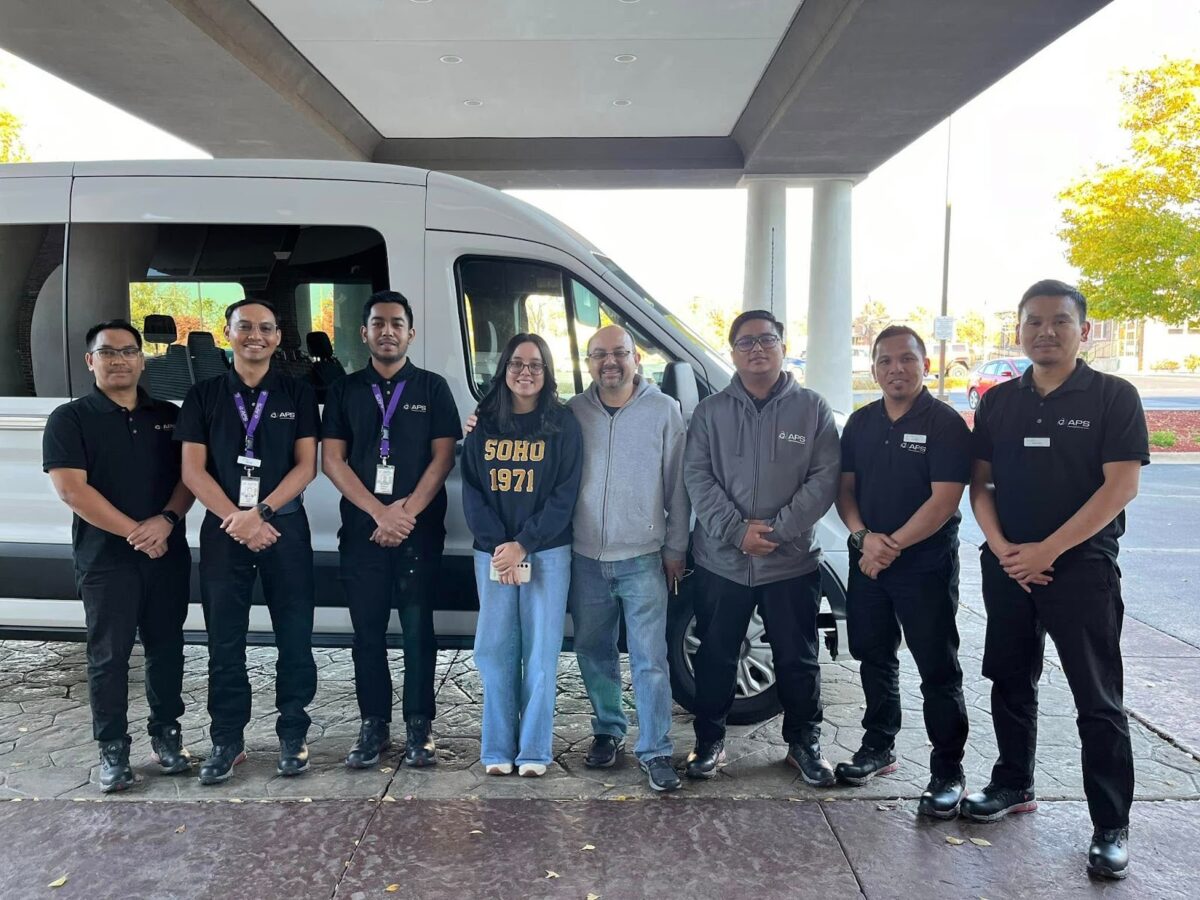
The partnership between Lake Zurich and Malaysia went beyond transferring technical knowledge: it fostered genuine relationships across continents. When the Malaysian team visited Lake Zurich, the company organized a badminton game, honoring Malaysia’s passion for the sport. Alas brought his daughter, who was on her school’s badminton team, to join. “My daughter played with them. It was memorable,” he said, adding that the experience taught her about different cultural customs.
A model for global collaboration
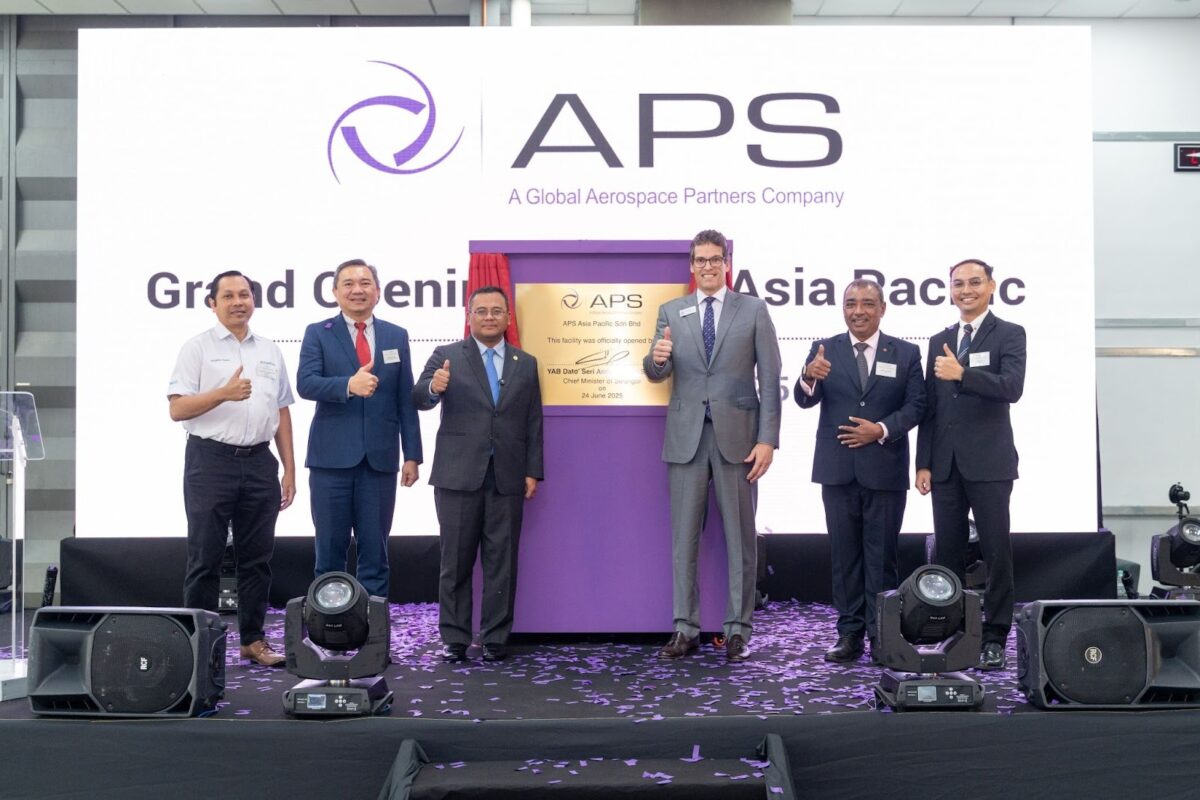
The collaborative effort resulted in a facility that opened on June 24, 2025, with APS CEO Daniel Colbert and Selangor Chief Minister YAB Dato’ Seri Amirudin bin Shari attending the ceremony alongside the Malaysian team.
The investment in comprehensive, cross-continental training has positioned APS Malaysia as a strategic hub for propeller maintenance in the Asia Pacific region, providing OEM-level service previously unavailable in Southeast Asia. The facility currently serves ATR 42/72 and Airbus C295 aircraft, with plans to expand capabilities as demand grows in the region’s rapidly developing aviation market.
Technical excellence transcends geography when supported by dedicated training, cultural openness and genuine collaboration. Azli, Mays and Alas exemplified these principles. Building a world-class facility demanded more than equipment and procedures, it required professionals willing to travel across continents, invest countless hours and share their expertise to ensure success.
As APS looks toward expansion into India and Australia, the Malaysia success story provides a proven blueprint: invest in people, share knowledge freely, and excellence will follow.
1 comment
Glad to see many known faces working together. Congratulations APS team for the awesome integration!