

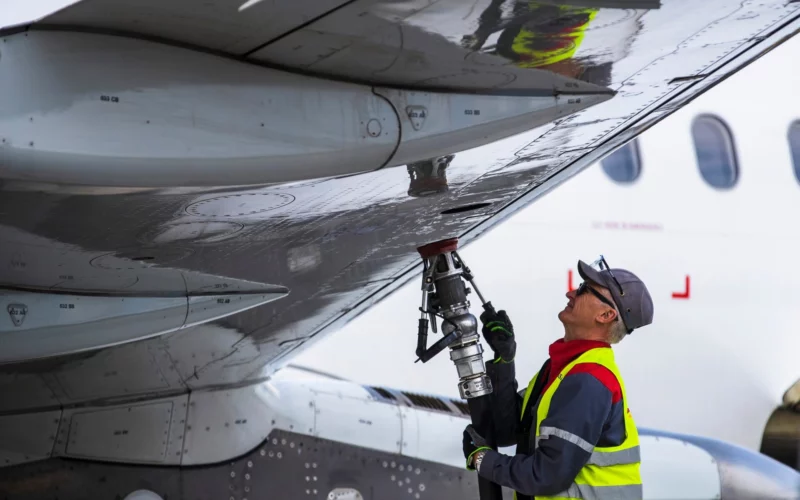
The UK government has introduced emergency measures allowing airlines to cancel or consolidate flights in advance, as part of preparations for the expected jet fuel shortage this summer linked to ongoing instability in the Middle East.
Under the new framework, carriers will be permitted to reduce flight schedules at least two weeks before departure without losing valuable airport slots. These moves represent a significant shift from standard regulations that usually require airlines to use the majority of their allocated slots or risk losing them.
The new policy should prevent last-minute cancelations during the peak summer travel season by allowing airlines to adjust capacity proactively. Flights with low demand or overlapping schedules may be removed, while passengers can be rebooked onto alternative services operating on the same route.
UK officials say the approach prioritizes operational stability and passenger predictability. Airlines will be required to provide at least 14-day advance notice, giving travelers time to make alternative arrangements.
The changes also allow carriers to consolidate multiple daily services into fewer flights, reducing fuel consumption while maintaining connectivity across key routes. This is particularly relevant on high-frequency slots, where demand can be redistributed without significantly affecting overall flight network coverage. The measures come amid growing concern over jet fuel availability in Europe, driven by disruptions to global supply chains following conflict in the Middle East. The closure of the Strait of Hormuz, a critical oil shipping corridor, has significantly constrained fuel flows and raised fears of shortages in the coming weeks.
The UK depends heavily on jet fuel imports, much of it coming from this region. Experts warn that if supply problems continue, fuel stocks in Europe could run low within weeks.
However, officials say there are no immediate shortages. Instead, the government is taking early action to reduce the risk of disruption later on.
The plan was developed in coordination with major airlines and airports, including British Airways, Virgin Atlantic, and easyJet. Industry stakeholders have broadly supported the initiative, citing the need for flexibility in an uncertain operating environment. Easing the slot rules means airlines will no longer need to fly planes with many empty seats to keep their airport slots. This should help reduce unnecessary costs and emissions.