


The US Air Force has awarded Lockheed Martin a $694 million contract to produce and field the AGM-183A Air-Launched Rapid Response Weapon (ARRW), moving the hypersonic missile into production after years of testing setbacks and uncertainty over its future.
The Department of the Air Force announced the award on October 26, 2026. The contract was awarded on September 29, 2026, under the Department of War’s Enterprise-Wide Agile Acquisition Contract.
“This is a turning point in our advanced weapons roadmap,” Secretary of the Air Force Troy Meink said, describing ARRW as a high-speed strike weapon capable of penetrating advanced air defenses.
The department declined to disclose how many missiles had been ordered or when deliveries would begin, citing operational security.
Lockheed Martin expands hypersonic missile production in Alabama
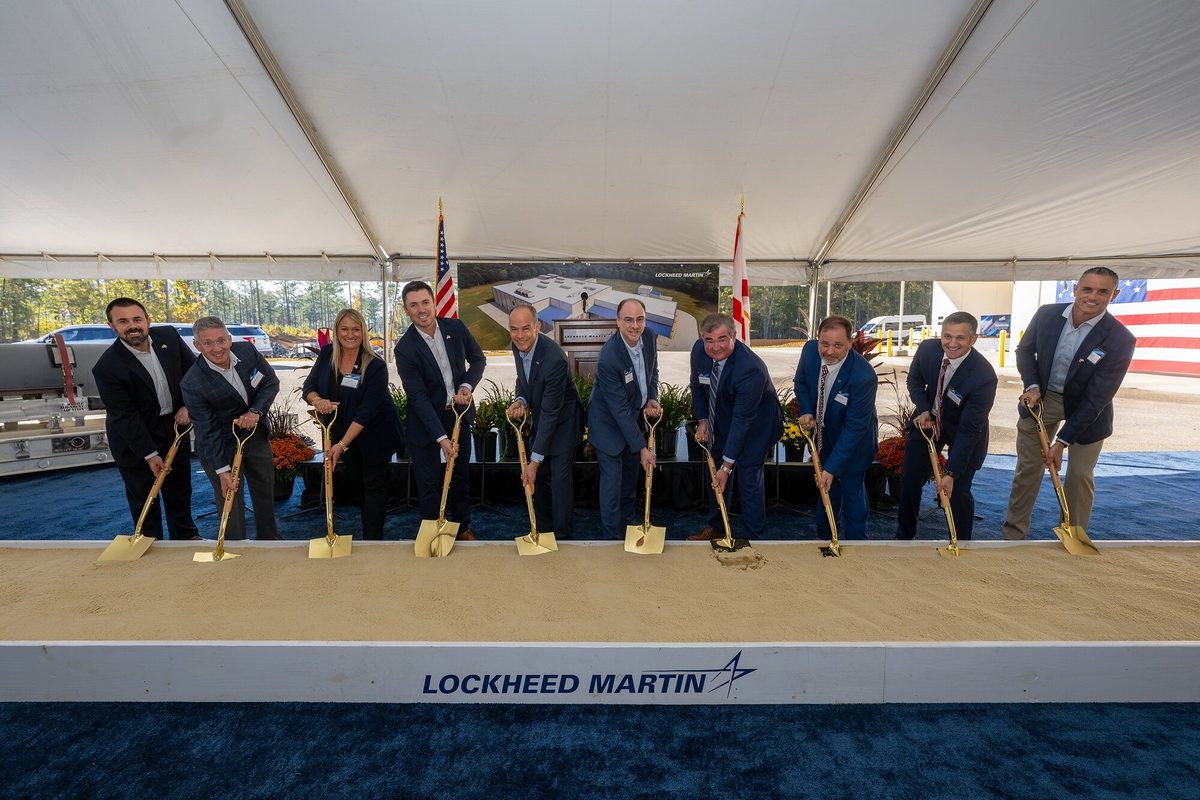
Lockheed Martin confirmed the contract on October 27, 2026, as it broke ground on an expansion of Building P-20 at its facility in Troy, Alabama.
The project will add approximately 4,370 square meters (47,000 square feet) of production space for ARRW, tripling the facility’s existing production area. The company said the expansion would create jobs over the next four years.
Lockheed Martin said it had already funded the work, materials, and equipment needed to prepare for ARRW production before receiving government funding. That includes $67 million for the facility expansion and equipment, part of a broader $8 billion to $9 billion investment planned through 2030 to meet growing demand for munitions.
Troy is not the first Alabama site associated with the program. In October 2021, Lockheed Martin opened a hypersonic missile assembly facility in Courtland, Alabama, intended to support ARRW alongside the US Navy’s Conventional Prompt Strike and the US Army’s Long Range Hypersonic Weapon programs.
Lockheed Martin described ARRW’s return to production as part of the Trump administration’s “Arsenal of Freedom,” a campaign led by Secretary of Defense Pete Hegseth to boost US weapons production, attract private investment, and lessen reliance on a few major defense contractors.
Still, the award shows the difficulties of reaching that goal, with the US Air Force turning to one of its biggest established suppliers to produce the missile. Because production quantities and delivery dates have not been shared, it is unclear how soon the investment will lead to operational capability.
ARRW returns to production after years of setbacks
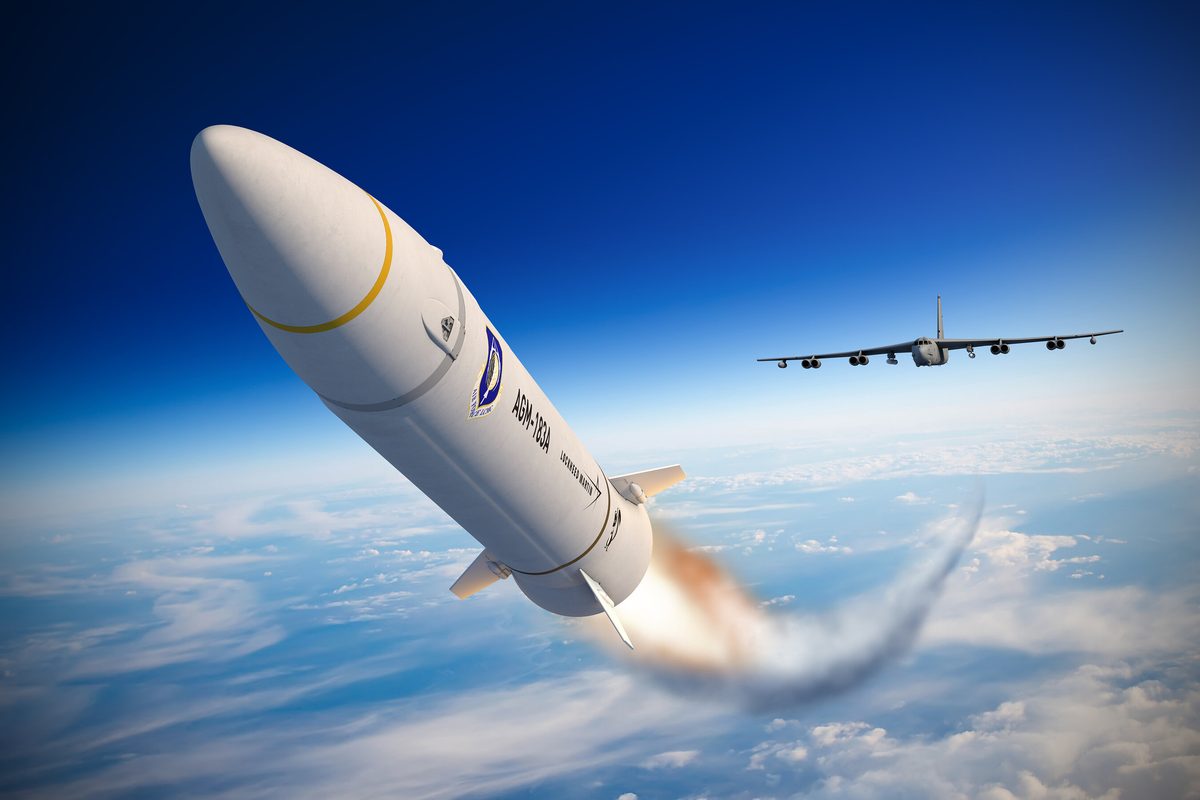
ARRW is a boost-glide weapon designed to strike high-value targets from standoff ranges. A solid-fuel rocket booster accelerates the missile beyond Mach 5 before releasing a hypersonic glide vehicle that maneuvers toward its target. The weapon is integrated on the B-52 Stratofortress bomber.
The program has had an uneven development history. Following three unsuccessful flight tests in 2021, ARRW completed its first successful booster test flight on May 14, 2022. The US Air Force subsequently launched its first full operational prototype from a B-52H on December 9, 2022.
Further setbacks prompted the Air Force to abandon plans to procure the weapon in 2023, shifting its focus toward the Hypersonic Attack Cruise Missile (HACM) program.
The US Air Force’s fiscal 2025 budget request, released in March 2024, contained no procurement funding for ARRW, raising further questions about its future.
However, on June 5, 2025, General David Allvin, then US Air Force Chief of Staff, told the House Armed Services Committee that the fiscal 2026 budget request would include funding for the weapon, signaling its return to the service’s procurement plans.
The decision also means the US Air Force is now pursuing two distinct air-launched hypersonic weapons: ARRW, which uses a rocket-boosted glide vehicle, and HACM, which relies on an air-breathing scramjet engine.