

US airlines are beginning to detail the financial fallout from the 43-day federal government shutdown, with several carriers warning that fourth-quarter results will suffer the consequences of weeks of flight disruptions and schedule instability.
Southwest Airlines said the shutdown reduced traffic at several major airports and will weigh on its fourth-quarter performance. The carrier cut its full-year 2025 earnings forecast, now expecting about $500 million in earnings, down from a prior range of $600 million to $800 million, citing lower revenue from the shutdown and higher fuel costs.
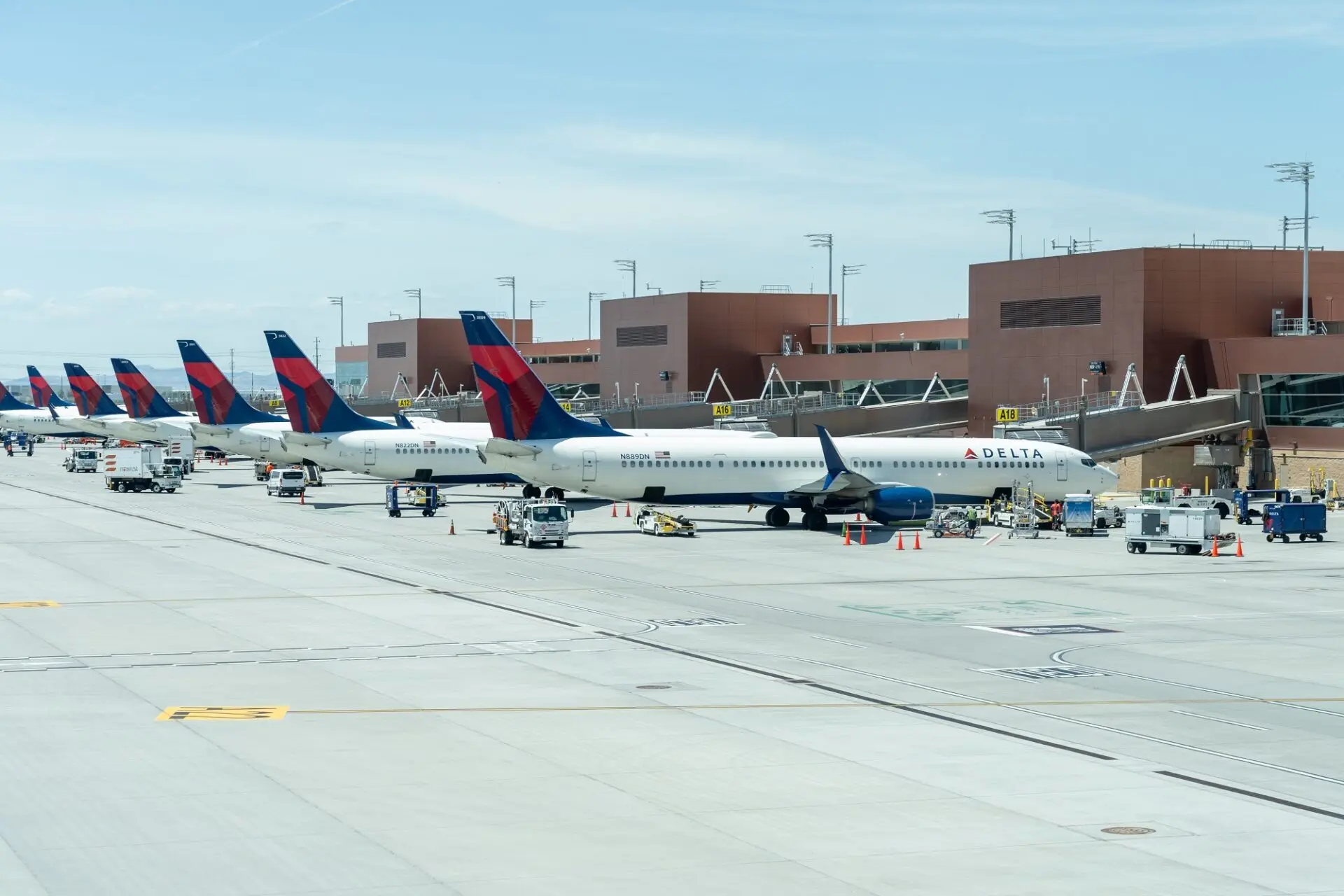
Delta Air Lines similarly warned fourth-quarter financial numbers will come in softer. CEO Ed Bastian told investors the shutdown cost the carrier roughly $200 million, driven by a spike in refunds and a slowdown in bookings as travelers reacted to warnings from the US Department of Transportation and the FAA about controller staffing constraints.
The shutdown, which began on October 1, 2025, and stretched into mid-November, led to significant flight disruptions as thousands of unpaid controllers called out sick or took temporary outside work to cover missed paychecks.
At one point, the FAA issued an emergency order requiring airlines to cancel up to 6% of domestic flights to maintain safety margins, later ramping planned cuts to as high as 10% at 40 major airports. More than 10,000 flights were canceled between November 7 and 16, according to FAA and industry figures.
Major hubs including New York, Chicago, Los Angeles, and Atlanta experienced extended ground delays and rolling cancellations, forcing carriers to repeatedly adjust schedules ahead of the busy Thanksgiving travel window. Trade group Airlines for America estimates that staffing-related delays or cancellations affected about 5.2 million passengers during the shutdown.
United Airlines and American Airlines have not yet put a dollar figure on the shutdown’s impact, but both carriers publicly urged Washington to resolve the budget standoff as the FAA’s flight caps took hold. United told customers it was cutting flights at affected airports in line with the FAA directive, while American reported widespread delays and cancellations across its network as unpaid federal aviation staff struggled to keep pace with normal traffic levels.
Delta said demand has since recovered, noting strong Thanksgiving and December bookings, but Bastian acknowledged that unprecedented public statements from federal officials about controller shortages contributed to temporary hesitation among travelers.
Several other carriers are expected to update guidance in the coming weeks as the financial effects spread across the industry. Analysts say the shutdown’s impact is likely to vary by network, with airlines reliant on congested East Coast and Midwest hubs likely facing the greatest pressure.