

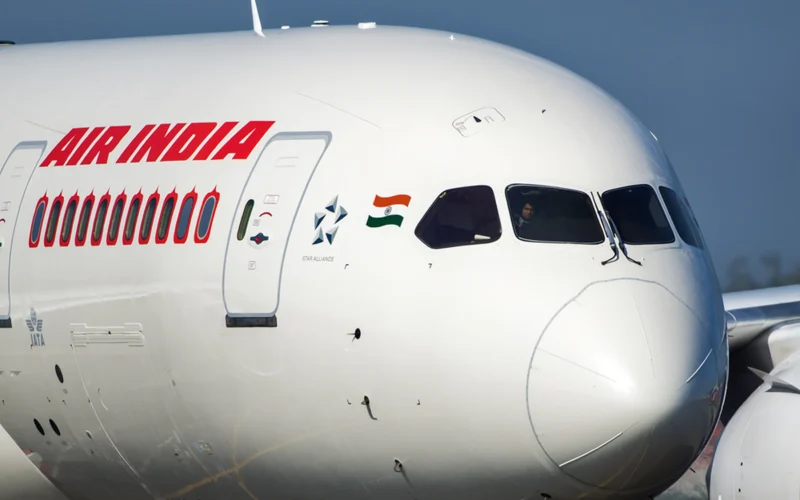
The families of four passengers who died in the accident involving Air India Flight 171 have launched a class action lawsuit against planemaker Boeing, along with Honeywell, citing negligence and a faulty fuel cutoff switch for the accident.
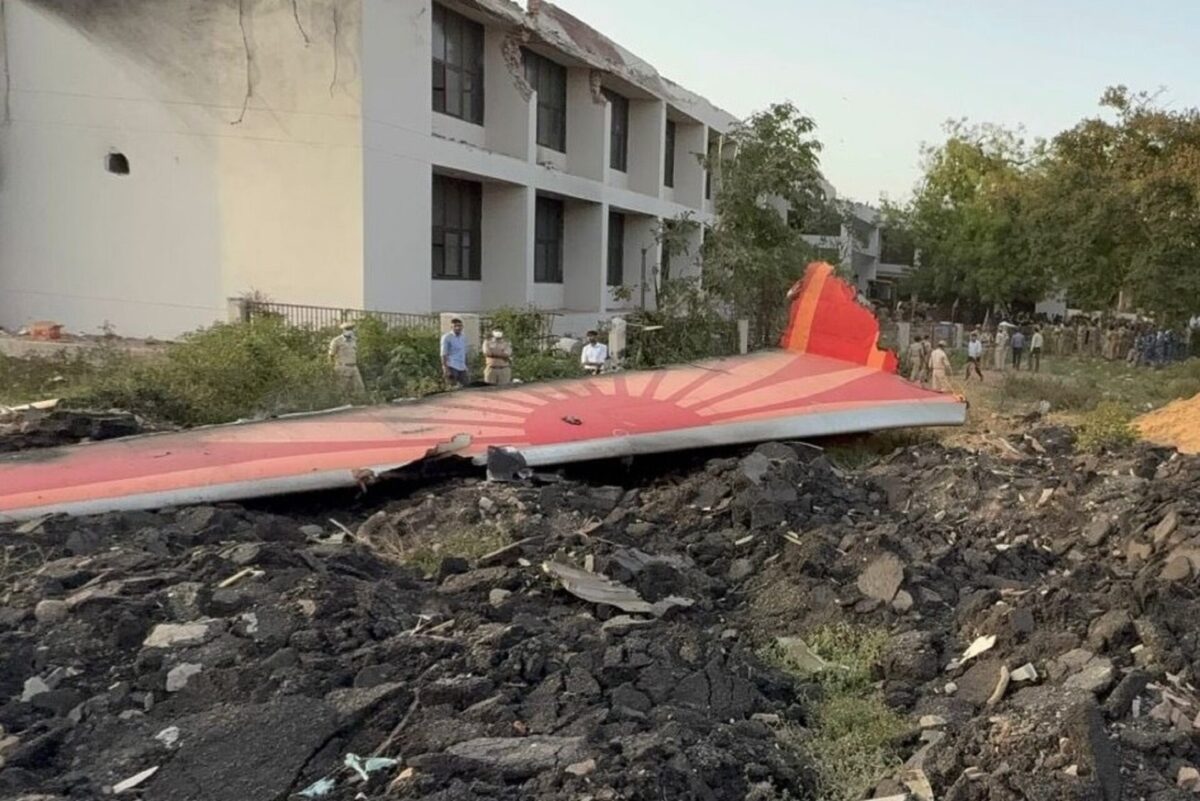
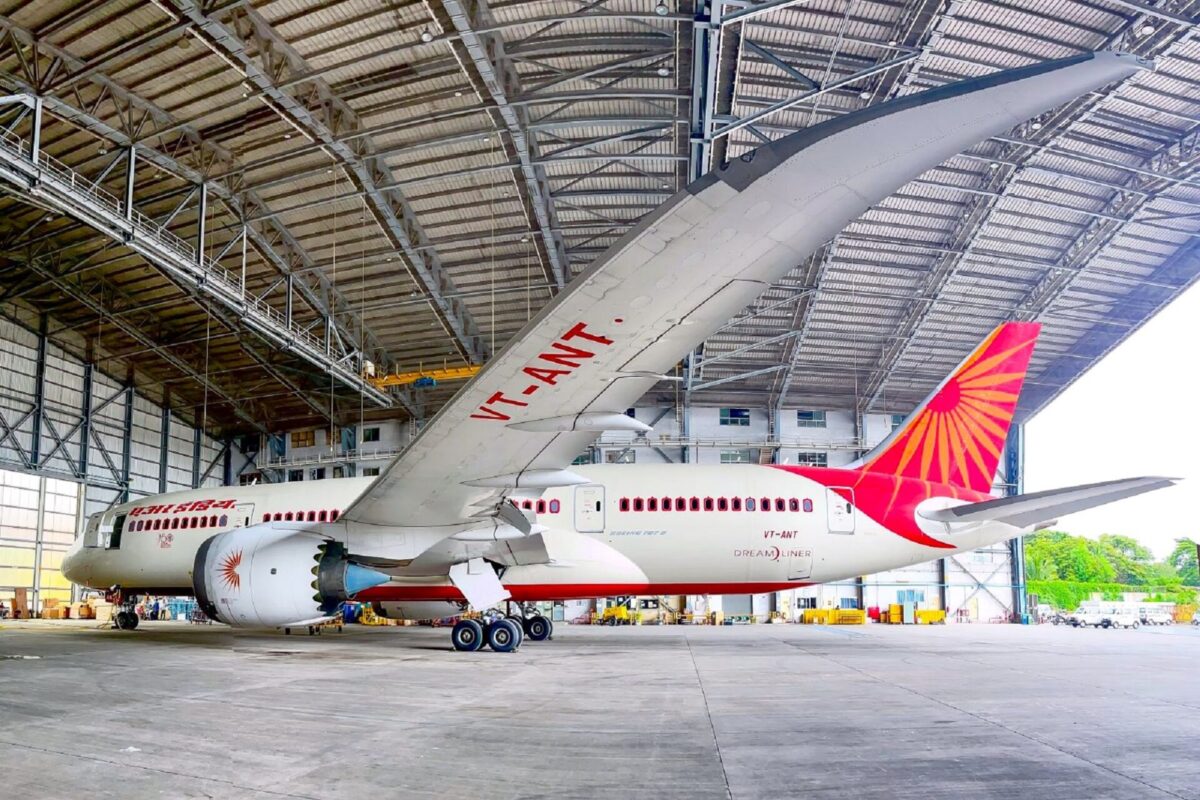
The June 12, 2025, crash occurred shortly after the aircraft, a Boeing 787-8 Dreamliner, had departed Ahmedabad International Airport in India en route to London-Gatwick Airport, killing 260 people. There was one sole survivor.
In a complaint filed on September 16, 2025, in Delaware Superior Court, the families claim that the locking mechanism for the switch on the Boeing 787-8 Dreamliner could be turned off inadvertently or could even be missing, causing a reduction in fuel supply to the relevant engine with a resulting loss of thrust required for take-off.
The aircraft’s fuel switches have become a focus for investigators after a preliminary inquiry found that fuel to both engines was cut off just moments after the plane left the ground.
Focus on the fuel cut-off switches
The claim adds that Boeing and Honeywell (the companies that installed and manufactured the switch, respectively) knew about the risk that the switch could be moved to the cut-off position inadvertently, but took no action in this regard.
Even after the US Federal Aviation Administration (FAA) warned airlines in 2018 of a risk of locking mechanisms that had disengaged uncommanded on several Boeing aircraft, no follow-up or remedial action was taken by the defending parties.
While the FAA urged in 2018 that operators inspect the fuel switches’ locking mechanism to ensure that it could not be accidentally moved, thereby cutting off fuel supply. However, such checks were not made mandatory by Boeing at any point.
By putting the switch directly behind the aircraft’s thrust levers, “Boeing effectively guaranteed that normal cockpit activity could result in inadvertent fuel cut-off,” the complaints documents state. “What did Honeywell and Boeing do to prevent the inevitable catastrophe? Nothing.”
According to the lawsuit, the companies also failed to warn airlines that the switches required inspection and repair and did not supply replacement parts to enable their customers to install them. It adds that Boeing and Honeywell “sat idly” behind a gentle advisory that merely recommended inspecting the switches, said the families, who are represented by a Texas-based law firm.
The claim is seeking unspecified damages for the deaths of four passengers – Kantaben Dhirubhai Paghadal, Naavya Chirag Paghadal, Kuberbhai Patel, and Babiben Patel, who were among the 229 passengers on the Dreamliner when it crashed.
Twelve crew members and 19 people on the ground were also killed. The claimants bringing the action on behalf of their deceased family members are citizens of India or the United Kingdom, and live in either one of those countries, according to a report in The Hindu Business Line.
No comment from Boeing, Honeywell
Boeing, based in Arlington, Virginia, declined to comment on Wednesday. Honeywell, based in Charlotte, North Carolina, have both so far not provided any comment on the legal claim. Instead, both organizations pointed to India’s Aircraft Accident Investigation Bureau’s (AAIB) preliminary investigation report into the crash.
Both companies are incorporated in Delaware. The lawsuit appears to be the first launched in the United States over the crash. Although the crash happened in India, the choice of the US as the forum for the lawsuit is entirely normal, given that both defendants are US-based.
So far, Indian, UK, and American investigators have not conclusively determined the exact cause of the crash, although they said after the publication of a preliminary report that their attentions were focused on the fuel cut-off switches and why they were both moved to the cut-off position, as remarked by one of the pilots and captured on the aircraft’s cockpit voice recorder.
According to sources close to the ongoing investigation, the full report into the crash, along with findings and recommendations, is due to be published in 2026.
7 comments
Fatuous case at best. Even if these swirches had the same quality issue, the probabilities of both failing Off then On again simultaneously, within a second, without some external mechanical or electrical event must be extremely improbable. But we do have a mechanical input. The flightcrew.
If the switches are faulty, why have thousands of 787 flights occurred without incident?
No surprise the claim was filed in the US. No win, no fee ambulance chasing lawyers hoping they get lucky.
As a Boeing pilot for 30 years (15 as 747 Captain) those switches are not possible of inadvertent movement.
This is why lawyers have a bad reputation. I guess Air India and the captain don’t have deep enough pockets or insurance so try to obstuficate and blame Boeing when it is clear the captain of the flight is the initial suspect. Don’t let facts get in the way of a good lawsuit. Tort reform is so needed in the USA.
Total bullshit. Again. $ chasing lawyers who seek $$ over truth. As a 10000+ hour B-777 captain, I am having a hard time believing the amount of ill-informed public discourse. So many experts, yet soo little expertise! Sigh!!
The investigation underway should hopefully recover some vital information and/or a likely probable cause to this terrible accident. In the meantime, all of you accidental accident tourists and attorneys should go fuck yourselves. Go to a nearby bar, have a drink and shut the F@&k up!! I have forgotten more than any of you will ever understand about the nuances of the operation of these airplanes and the role of accident investigations. Sent most cheerfully from a true expert and respectful side-liner! 😊
“There was one sole survivor.”
Is there another possible number of sole survivors?
The Facts are that Fuel-Cut-off Switches moved On/Off in 1 Second. The Switches are made in such a way that They CANNOT be Flicked On/Off inadvertently. To operate this type of switch the Pilot needs to” A Thumb and Two Fingers” to lift the switch OVER A Bridge to On/Off Postion.
Here’s the Crunch: The Boeing 787 is a a Software Controlled Airplane. The Software Generates/Monitors Messages. A Glitch in a Software can Generate a Message just as it Happened on this aircraft. one Pilot Flying Noticed the Message on the Screen and Second did Reply that he DID NOT Operate ( Noted on Voice Recorder)the Switches. The Ball is very much in Almighty Boeing’s Court