
Brisbane Airport (BNE)
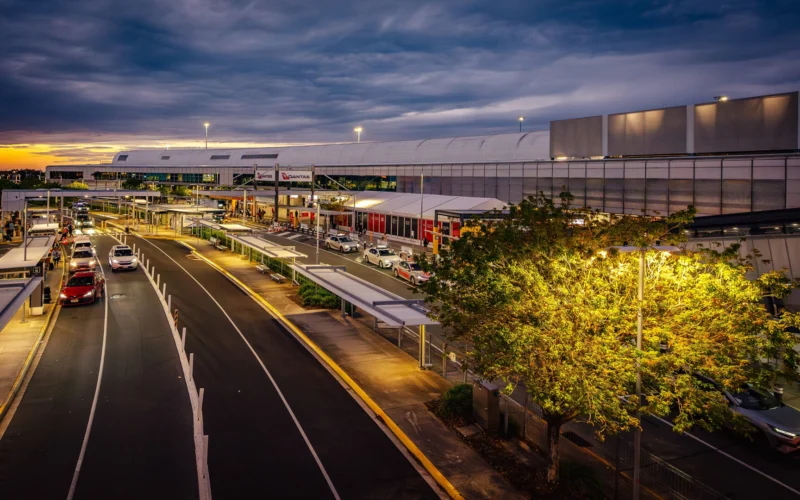
Brisbane Airport (BNE) at a glance
Brisbane Airport (BNE) is Australia's rising hub: a record 25 million passengers in 2025 through two terminals 15 kilometers from the city, home base and headquarters of Virgin Australia and gateway to a Queensland tourism economy stretching from the Gold Coast to the Great Barrier Reef. Its new parallel runway, opened in 2020, gave Brisbane the spare capacity Sydney's curfewed, capped airfield can never have.
The next decade is already scheduled: the 2032 Brisbane Olympic and Paralympic Games anchor a roughly 5-billion-dollar Future BNE investment program transforming terminals, transport links and the airport precinct. Brisbane's pitch is simple, the capacity-rich alternative among Australia's east coast gateways, and the traffic numbers suggest the market is listening.
Hub & base airlines
| Airline | Role | Terminal |
|---|---|---|
| Virgin Australia | Home base and headquarters | Domestic Terminal |
Terminals & infrastructure
The International and Domestic terminals sit on opposite sides of the airfield, linked by Airtrain rail to the city, with two independent parallel runways since the 2020 opening of the new strip, the largest aviation infrastructure project in Australia at the time. The Future BNE program, around 5 billion dollars over five years, rebuilds both terminals and the precinct ahead of the 2032 Olympic Games.Full specifications
Latest Brisbane Airport (BNE) coverage from AeroTime
Frequently asked questions
A record 25 million passengers in 2025, with New Zealand its largest international market and 35 international destinations served.
Virgin Australia, which keeps both its home base and corporate headquarters at the airport, alongside major Qantas group operations.
The Future BNE program is investing around 5 billion dollars in terminals, transport and the precinct over five years, with Brisbane's spare runway capacity central to Games planning.