

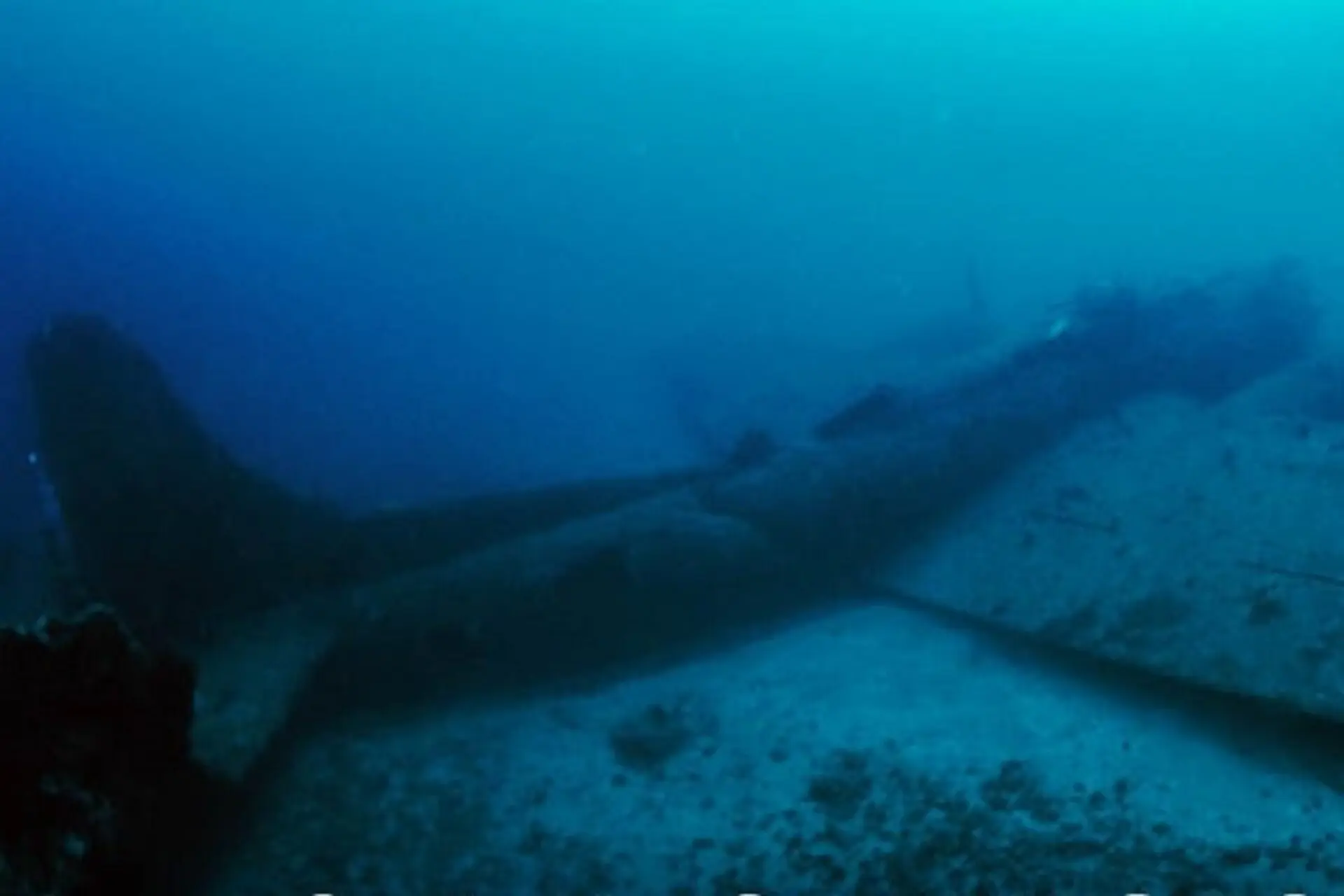
The US Defense POW/MIA Accounting Agency (DPAA) has been helping lead search efforts after a World War Two B-17 bomber wreckage was discovered in the North Sea.
The revelation was made in the summer of 2025 when German electricity firm Amprion was conducting a routine unexploded ordinance survey (UXO) in the vicinity of a planned converter platform, part of an important energy transition project in Germany.
According to Amprion, the B-17 Bomber wreckage was located around 260 meters from the center of the platform and work in the area was temporarily halted.
As property of the United States Air Force (USAF), Amprion employees contacted the US air base in Ramstein, Germany, who subsequently reached out to the DPAA regarding the find.
Amprion also contracted Rheinmetall subsidiary Rheinmetall Project Solutions to plan, coordinate and execute an investigation in hand with the DPAA.

“The work focused on three questions: whether the aircraft was still intact on site and, if so, whether there was any unexploded ordnance on board; whether the aircraft could be clearly identified, for example by its serial numbers; and whether there were any indications of human remains from the crew,” said a spokesperson for Amprion.
Amprion said that as the responsible authority, the DPAA supervised the work on board the survey vessel and utilized its expertise in aircraft details, handling possible human remains and classifying war graves and archaeological wrecks.
Beginning in November 2025, Rheinmetall used an electro magnetometer to map the location and extent of the wreckage and found that the B-17 Bomber was covered by around 1.5 meters of soil.
The former World War Two aircraft was cleared and with the help of the DPAA the bomb bay area was quickly located.
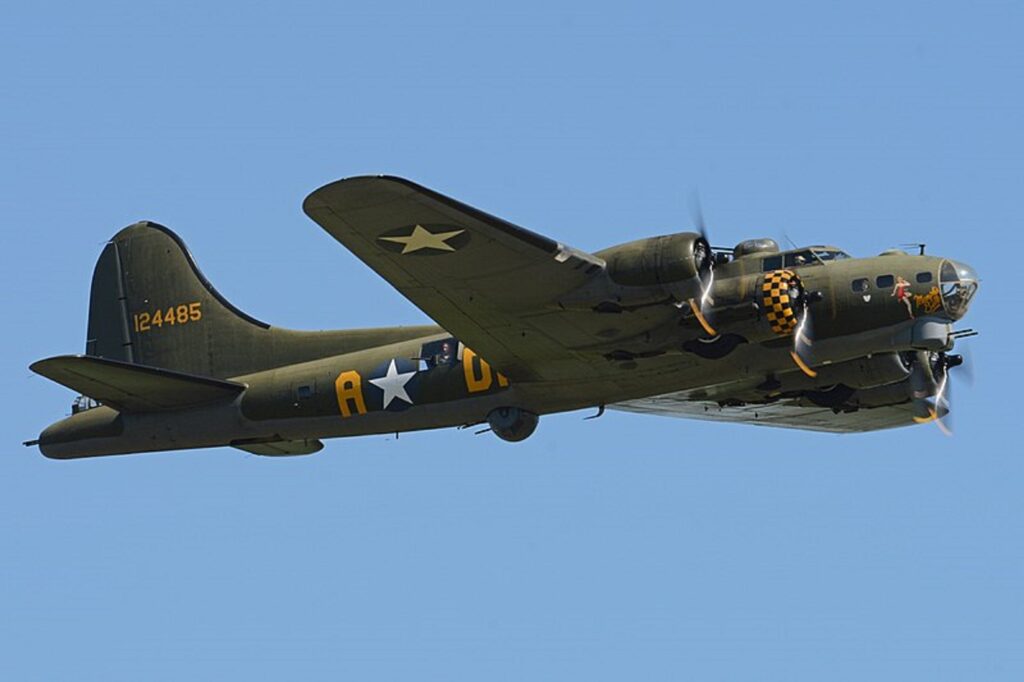
“The interior of the bomb bay was exposed and inspected via open hatches. The result: there were no bombs on board. The area near the wreck and the bomb bay were checked for safety and cleared,” explained the spokesperson.
According to Amprion, the evaluation of further findings and data for the ongoing identification of the B-17 bomber and the question of possible human remains is currently underway. The next steps will be coordinated closely with the responsible German authorities and the DPAA.
In December 2025, Amprion was able to clear the area around the site to continue its project work without any further delays and the important work of identifying the aircraft and unearthing its legacy could carry on.
#OTD in 1943. Crew from B-17 Flying Fortress "Knock-Out Dropper", after their 50th mission, the first US bomber to do so. #WW2 #HISTORY pic.twitter.com/Rw25M9AHK2
— rgpoulussen.bsky.social (@rgpoulussen) November 17, 2022
The DolWin4 and BorWin4 offshore grid connection systems, which run largely parallel to each other, are among the most important energy transition projects in Germany. They are scheduled to go into operation in 2028.