

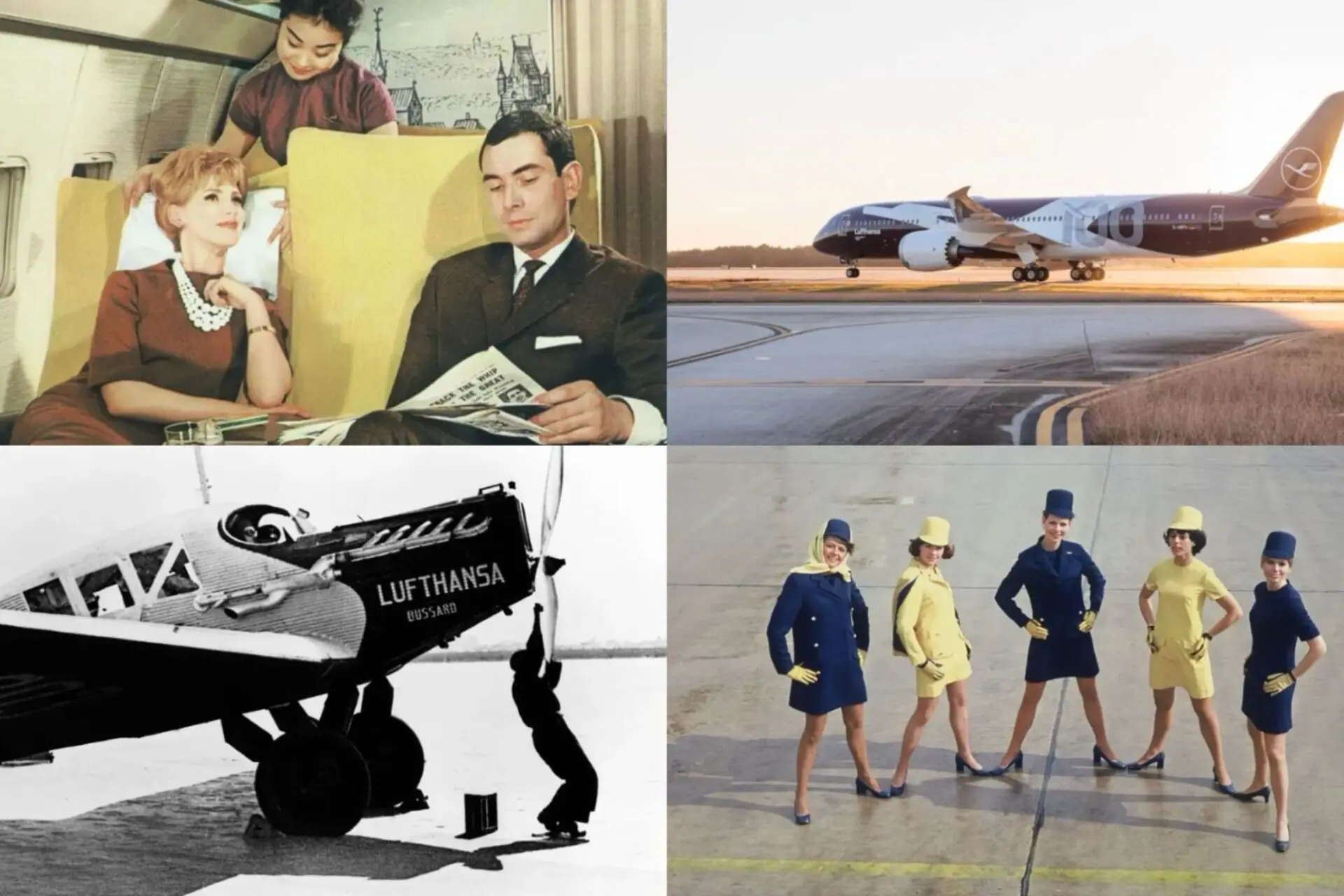
Lufthansa celebrated its centenary on January 6, 2026, marking 100 years since the founding of the original “Luft Hansa” airline in Berlin.
The anniversary marks a century of operations for the airline group, which now transports over 150 million passengers annually across more than 300 destinations as Europe’s largest carrier.
The anniversary, celebrated under the motto “We are the Journey,” honors the 40,000 employees from 122 nations who work for the Lufthansa brand, and the 100,000 people from over 160 nations employed across the Lufthansa Group, which includes SWISS, Austrian Airlines, Discover Airlines, Eurowings, ITA Airways, and Brussels Airlines.
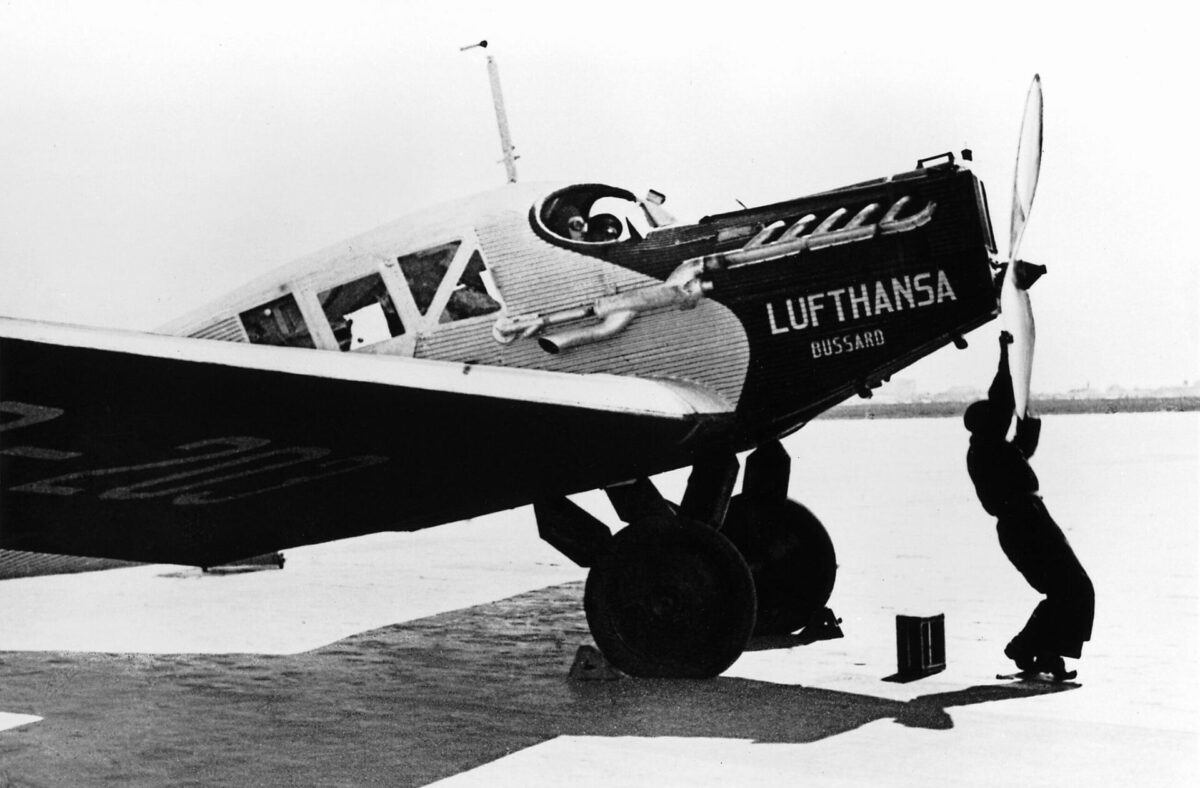
The first Lufthansa was formed through the merger of Junkers Luftverkehr and Deutsche Aero Lloyd on January 6, 1926, with its maiden flight taking place on April 6 of the same year. The airline established Germany’s domestic network and expanded routes across Europe, becoming a pioneer in German aviation.
Confronting the Nazi era
Lufthansa’s centenary has prompted the airline to directly address what it describes as “the darkest chapter” in its history – its active role within the Nazi regime during the 1930s and 1940s.
“The darkest chapter in Lufthansa’s history was during the Nazi era, when the airline became part of the regime and played an active role within it,” the carrier stated, announcing it would use the anniversary to “critically examine its involvement during this time and further address it based on historical research.”
During World War 2, Lufthansa was responsible for pilot training and aircraft maintenance for the Luftwaffe, Germany’s air force. The airline also utilized forced labor for these activities, with much of the work conducted at Berlin’s Tempelhof Airport, the company’s base.
The acknowledgment represents a shift from the airline’s previous approach. In 2016, German media outlet DW criticized Lufthansa for reducing its Nazi past to a footnote in its historical narrative. The current statement marks a more comprehensive reckoning, with the airline emphasizing that it “does not limit itself to the post-war chapters” and that “the years from its founding to the downfall of the first Lufthansa are equally part of the company’s story.”
Current CEO Jens Ritter acknowledged the airline’s “active role” during the regime.
“Looking back also means facing the darkest parts of our history. During the Nazi era, Lufthansa played an active role in the regime. It’s important to acknowledge responsibility,” Ritter said in a LinkedIn post.
Post-War rebirth and expansion
With Germany’s defeat in 1945 and subsequent Allied occupation, all remaining Lufthansa aircraft were grounded. On January 1,1951, Deutsche Luft Hansa was officially liquidated.
The airline’s second chapter began in 1953 when a new company, initially named Aktiengesellschaft für Luftverkehrsbedarf (Luftag), was founded in Cologne. The following year, it acquired rights to the Lufthansa name, and in 1955, Deutsche Lufthansa AG officially resumed operations.
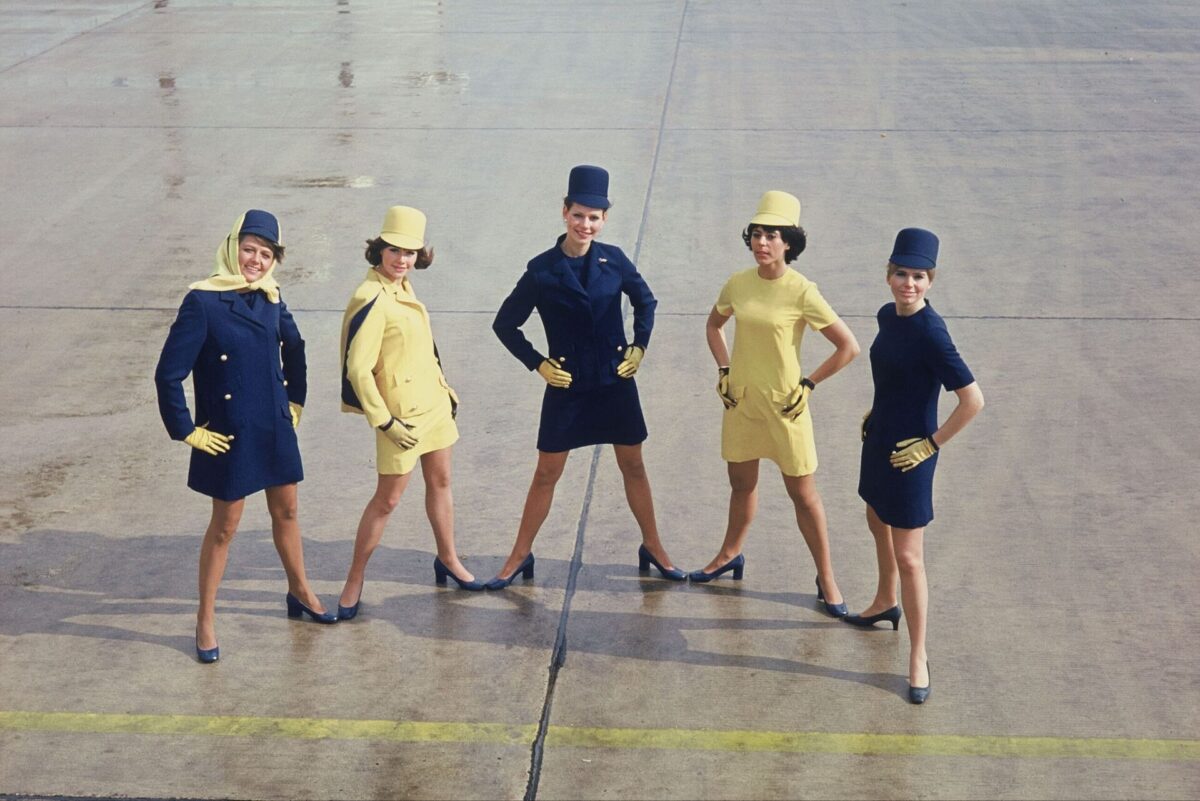
The airline initially operated domestic flights connecting Hamburg, Düsseldorf, Frankfurt, Cologne, and Munich before expanding internationally. By June 1955, flights to New York had commenced. A symbolic milestone came in 1989 when, for the first time since 1945, a Lufthansa aircraft landed in Berlin, signaling Germany’s reunification.
The airline navigated subsequent challenges including hijackings, oil crises, the aftermath of September 11, 2001, economic recessions, and the COVID-19 pandemic. Major achievements included privatization, the launch of its cargo division, and founding membership in the Star Alliance.
Anniversary celebrations
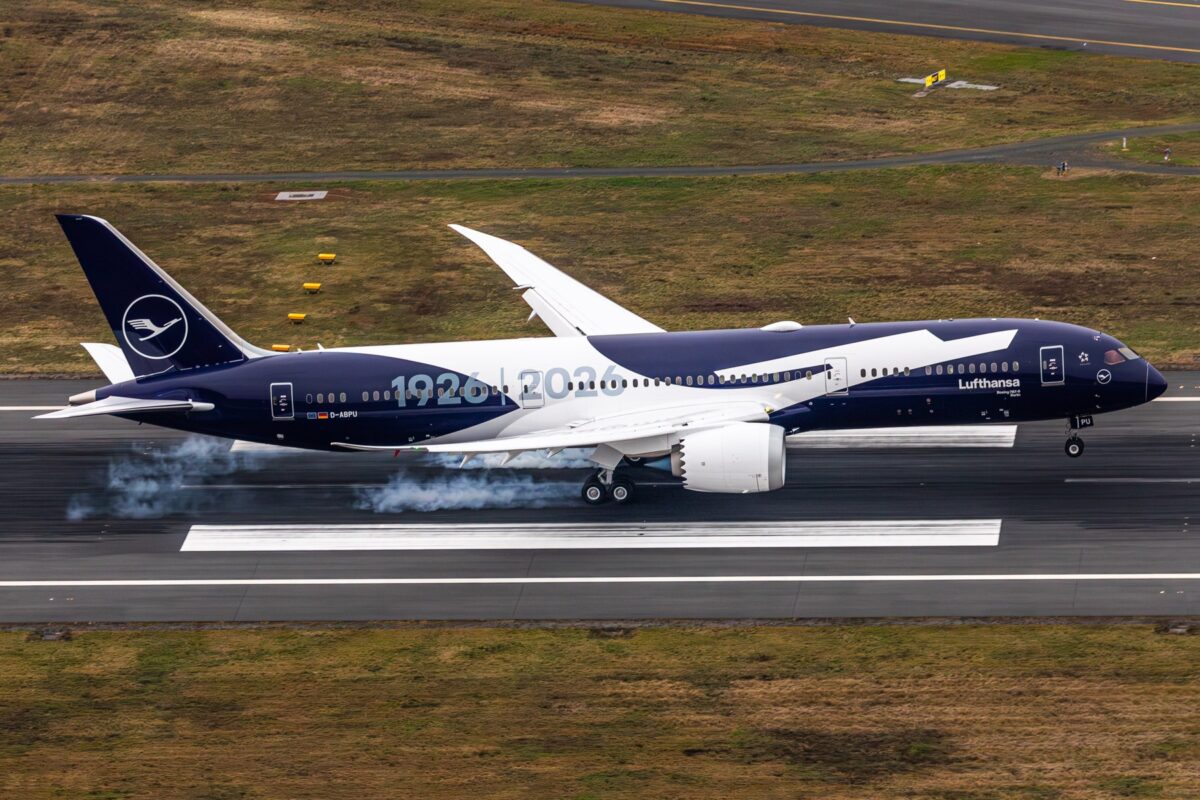
To mark the centenary, Lufthansa has created a special anniversary fleet of six aircraft featuring commemorative liveries: an Airbus A380, an Airbus A350-1000, an Airbus A350-900, an Airbus A320, and a Boeing 747-8. Leading the fleet is the Boeing 787-9 named “Berlin,” registered as D-ABPU, which entered service in January. Two additional aircraft will feature retro liveries.
The airline’s iconic crane logo, designed by Otto Firle in 1918, remains its global symbol.
Throughout 2026, Lufthansa will host various activities including a permanent exhibition at Hangar One, special events, a history book, film productions, employee celebrations, and customer events. The anniversary emblem will appear on boarding passes, at airports, and onboard flights, while a poster campaign will display the airline’s history through iconic images in city centers.
According to Lufthansa, the centenary is “a moment of pride and reflection” while also representing “a bold look into the future and the beginning of the company’s second century.”