
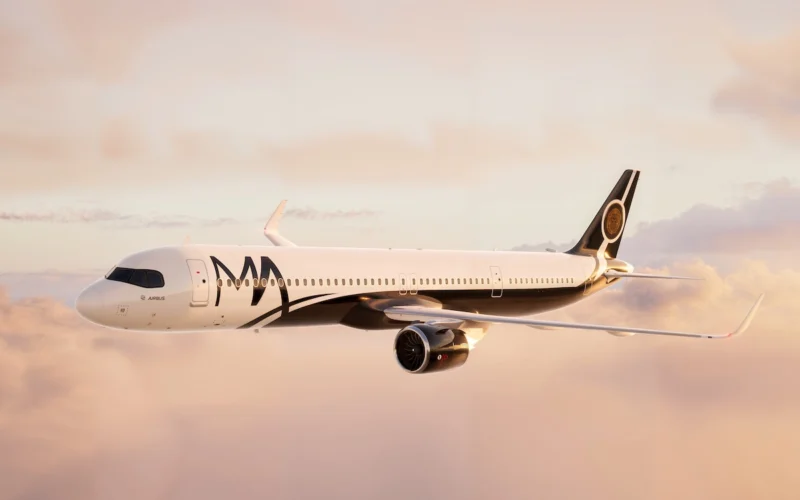
Magnifica Air, a new premium scheduled airline expected to launch in the United States in 2027, has revealed some additional details of its future operation and value proposition.
As AeroTime reported in October 2025, the new carrier will operate a mix of Airbus A220 and A321 aircraft in a premium cabin configuration outfitted by Comlux.
The airline, which is based near Orlando, Florida, has now also disclosed some of the cities it plans to operate scheduled services to. The list includes Miami, New York, Los Angeles, Dallas, Houston, and yet to be named destinations in the Bay Area, with Napa Valley and the Caribbean also being considered for seasonal services.
As is the case of other premium-only operators, Magnifica Air’s fleet will also be available for VIP charters and curated experiential trips, catering, for example, to air cruise operators.
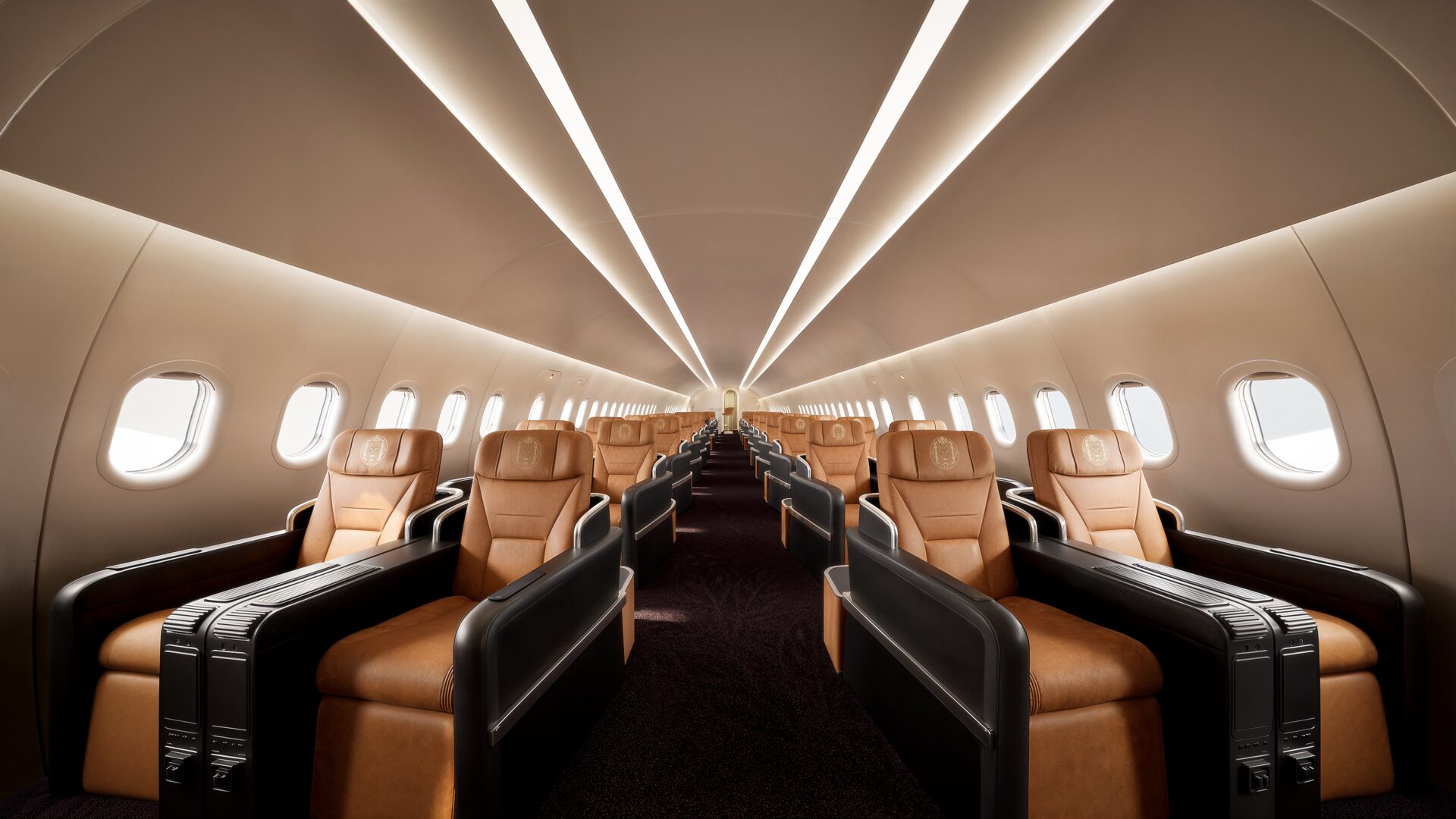
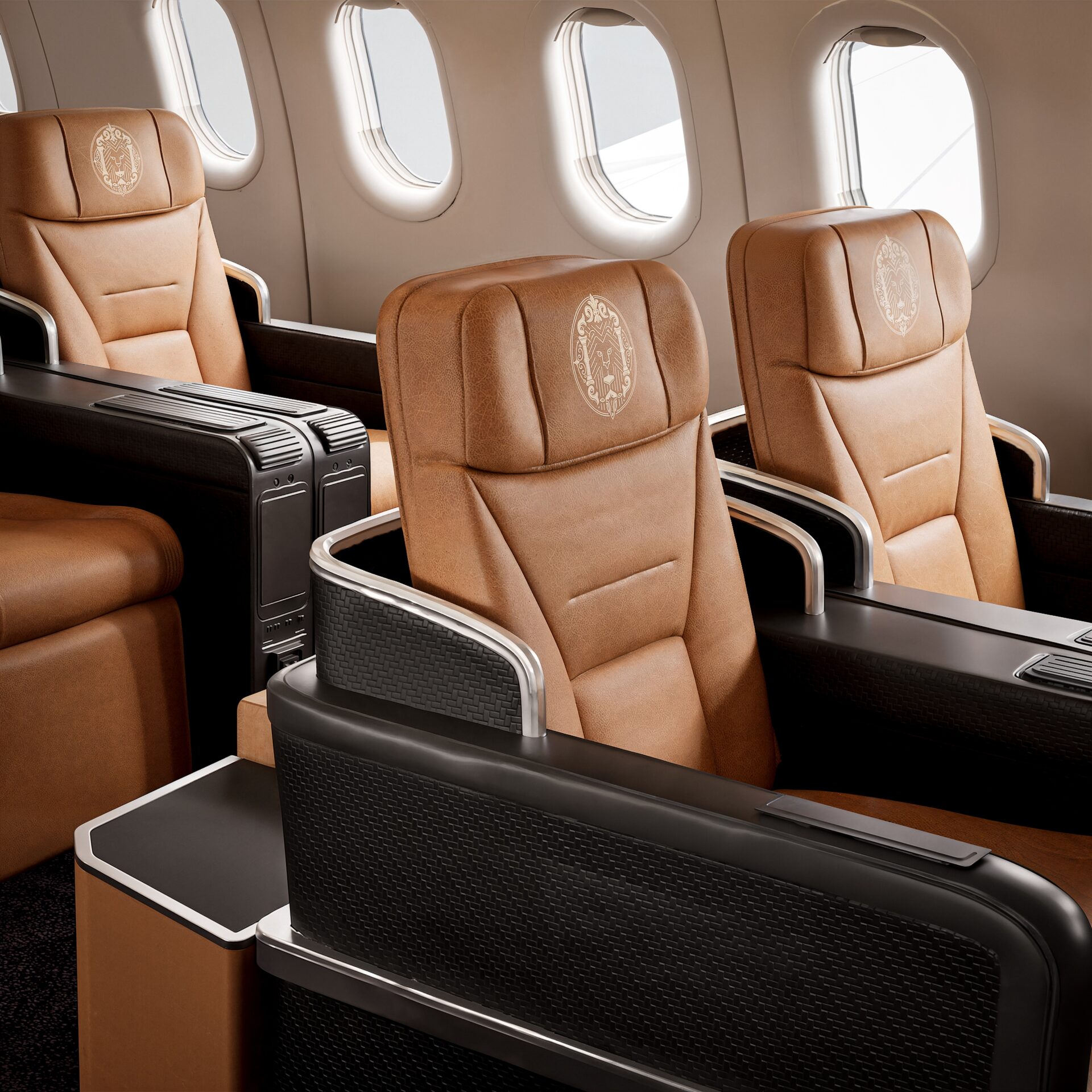
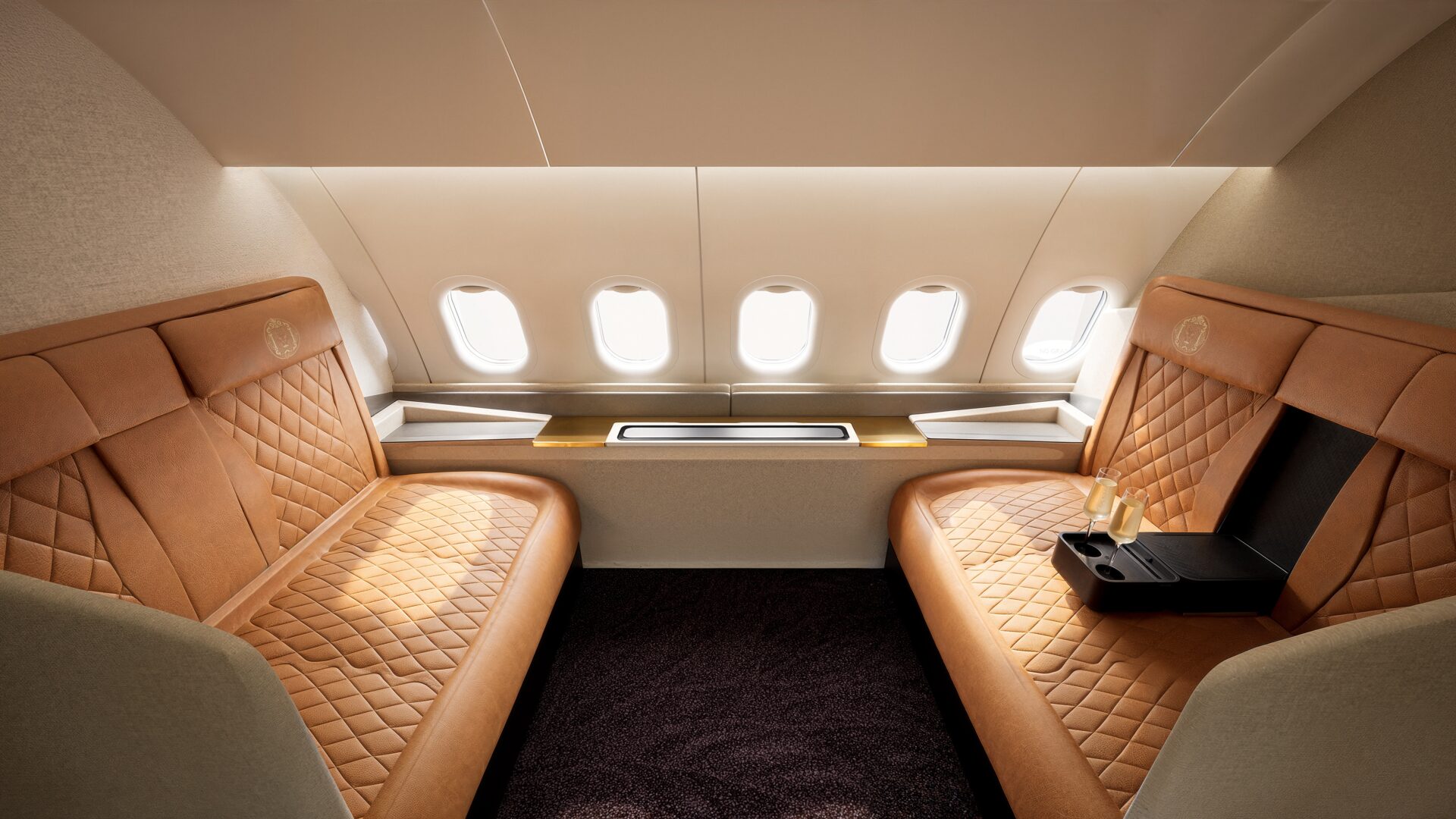
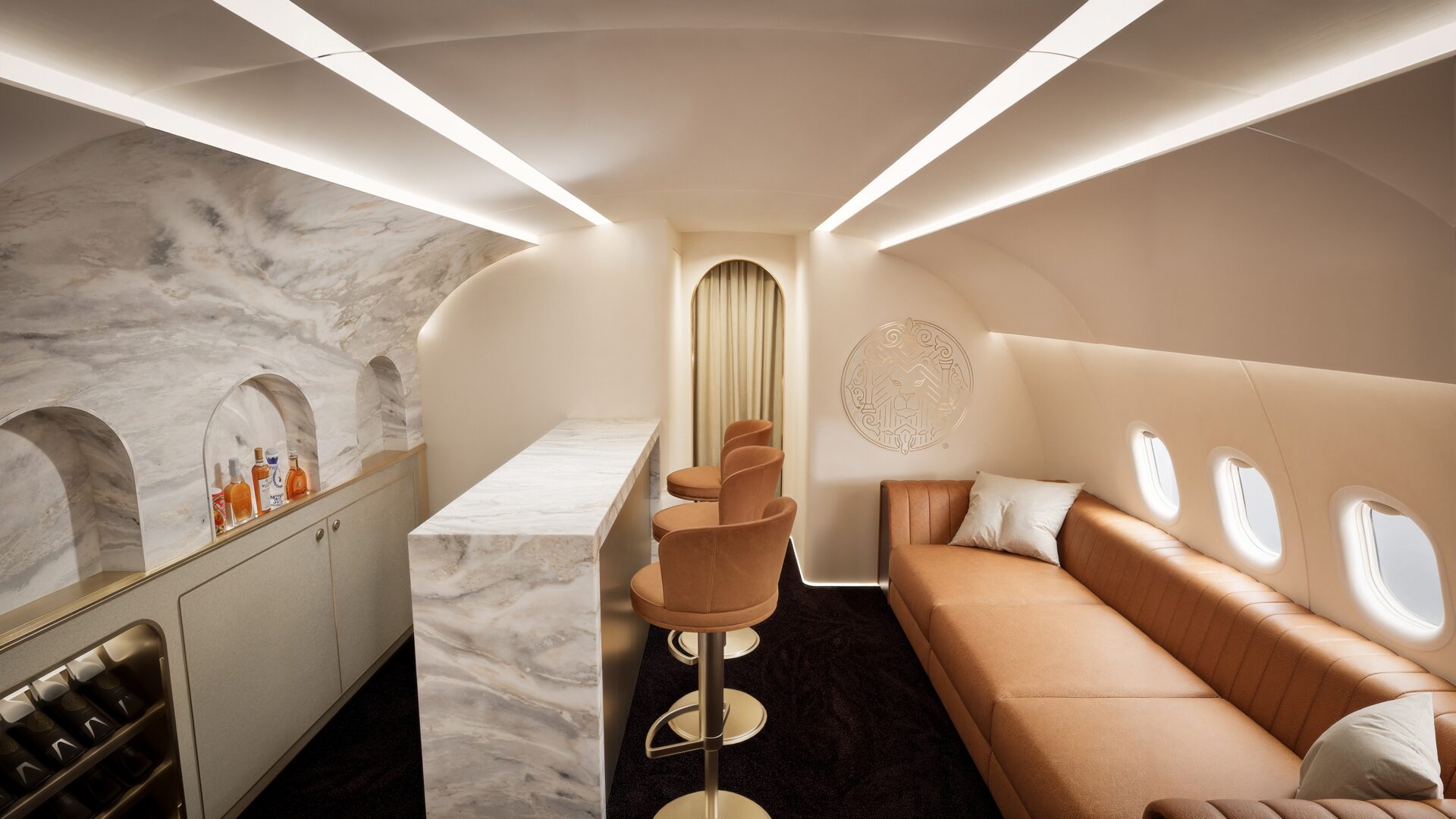
When it comes to the passenger experience, Magnifica Air has named its inflight product “Private Class” and, in tune with the sense of exclusivity it aims to project, it is also planning to launch a private membership community called “The Seven Club”. Its members will get priority access, fixed-rate pricing, and exclusive invitations to curated experiences and cultural and sports events such as Art Basel or The Masters.
Since Magnifica Air aims to fill the market gap between private jet travel and the first class product offered by commercial airlines it is also focused on delivering an executive experience on the ground.
Passengers will be able to arrive at the airport up to 30 minutes before departure and use private terminals with white-glove baggage handling and dedicated TSA-approved screening. Upon arrival at their destination, passengers will have their baggage delivered within 10–15 minutes and chauffeur-driven to their final destination.
Magnifica Air has also shared details of its sustainability program. The carrier plans to uplift some seven million gallons of Sustainable Aviation Fuel (SAF) annually, will run an emissions offset program and its lounges will be solar powered. The startup carrier has also noted that among its backers is CIG Companies, which runs a $150 million renewable energy fund.