

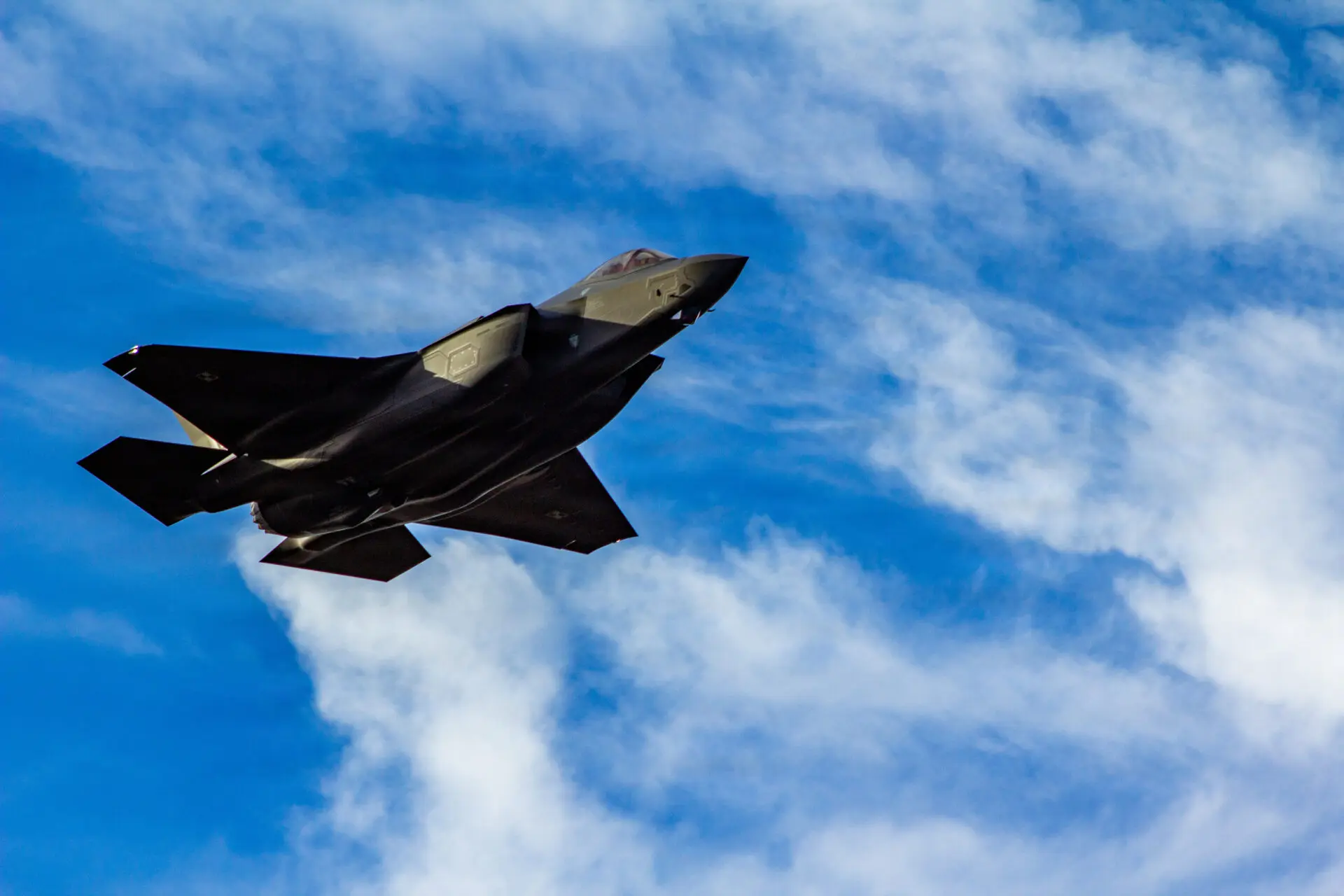
Polish Deputy Defense Minister Paweł Zalewski ruled out stationing nuclear warheads in Poland on August 27, 2026, drawing pushback from other Polish defense and security figures before clarifying hours later that Warsaw had secured an opening into NATO’s dual-capable aircraft mission.
Zalewski was asked at NATO headquarters in Brussels whether a future US military presence in Poland could include nuclear capabilities.
“No. I would like to say this very clearly and openly. Poland does not want to have nuclear warheads on its territory,” he told reporters, in remarks carried by Polish news agency PAP. He added that Poland wants to be part of NATO’s nuclear deterrence, but that this does not mean warheads on Polish soil.
Zalewski returned to the subject on X later the same evening. The Polish government had just obtained the possibility of joining the dual-capable aircraft (DCA) program, he wrote, describing it as a preliminary stage of nuclear sharing. Storing nuclear weapons in Poland was “neither possible nor desirable.”
Polish officials dispute decision to rule out hosting warheads
Deputy Prime Minister and Defense Minister Władysław Kosiniak-Kamysz posted his own statement on X on August 27, 2026, declaring that Poland remained interested in taking part in NATO Nuclear Sharing and was in talks over a proposed European nuclear umbrella.
Marcin Przydacz, head of the presidential International Policy Bureau, wrote that officials speaking for the Polish state should know the government’s basic policy direction. Retired General Stanisław Koziej, a former head of the National Security Bureau, called the declaration a strategic error, arguing that Poland need not host the weapons, but should nevertheless retain the option.
Poland pursues NATO and French nuclear deterrence tracks
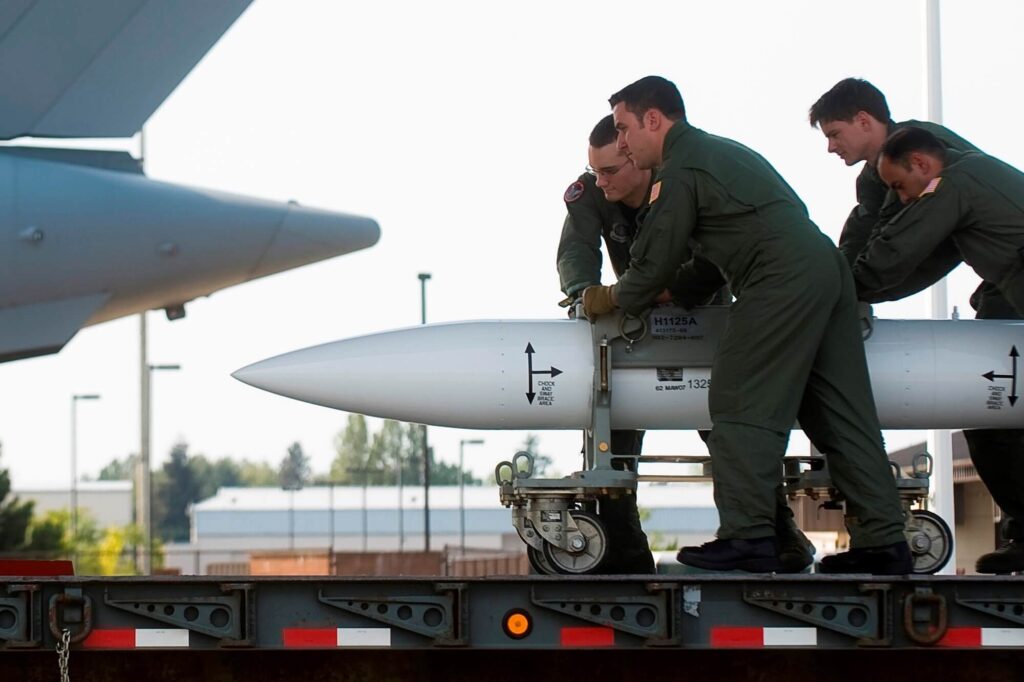
NATO’s nuclear sharing arrangement stores US B61 gravity bombs in Belgium, Germany, Italy, the Netherlands and Turkey. Host nations provide certified aircraft and trained crews, and the bombs remain under US custody in peacetime.
The F-35A is the only dual-capable aircraft currently in production for the mission, and most European participants are converging on it. Poland ordered 32 F-35As in 2020, and the first three arrived in the country on May 22, 2026.
Zalewski spoke after meeting Elbridge Colby, US Under Secretary of War for Policy, at NATO headquarters. According to NATO, Colby briefed allies on the ongoing US review of its force posture in Europe. Separately, Zalewski stated that Poland is discussing several sites for the permanent stationing of US troops.
Macron’s ‘forward deterrence’ concept provides Poland with a separate route into European nuclear planning. Unveiled in March 2026, it could allow partner countries to join French nuclear exercises, contribute conventional forces to nuclear activities and participate in signaling operations beyond French territory. France would retain sole authority over any use of its nuclear weapons.
Poland and France held their first bilateral nuclear steering group meeting on July 10, 2026, and agreed on a joint roadmap for developing the concept.