

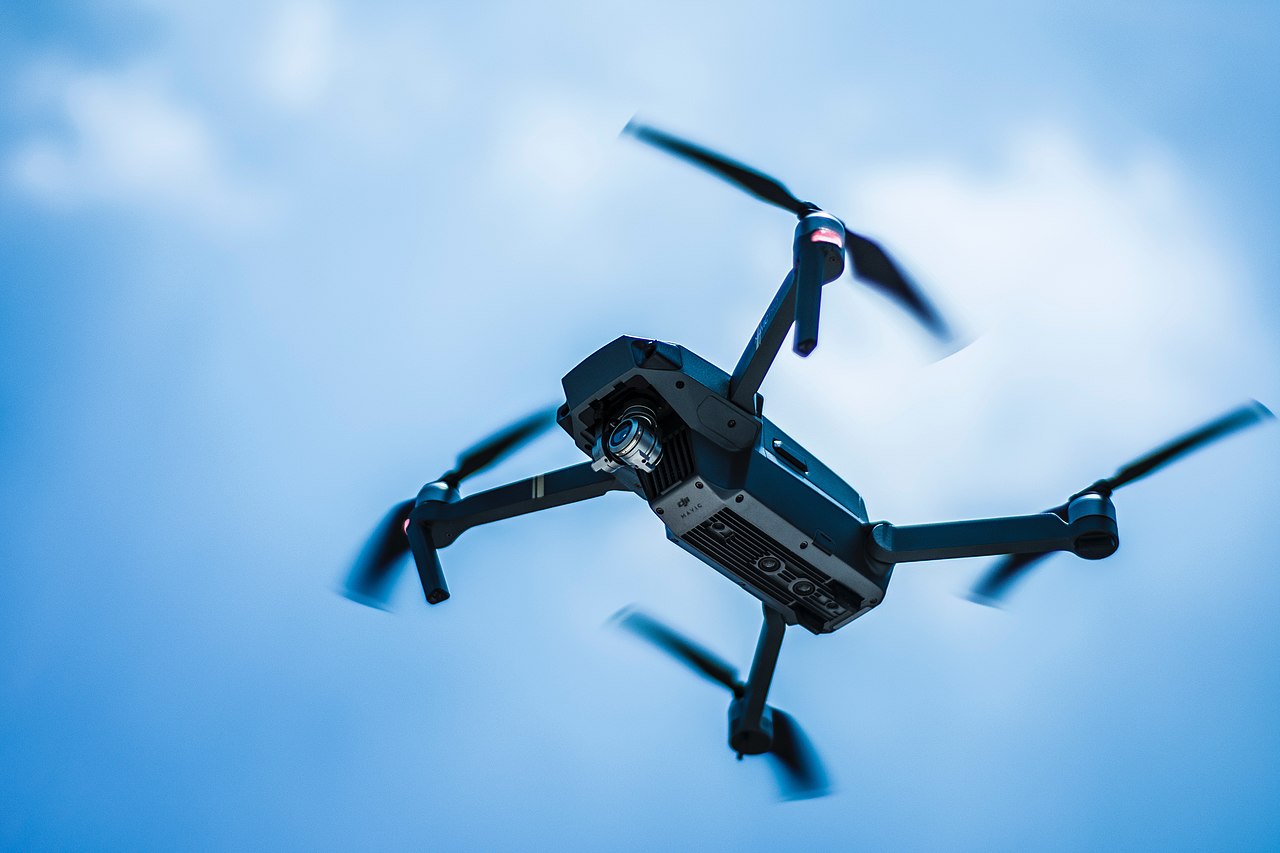
The US Department of Commerce has withdrawn a proposed rule that would have imposed broad restrictions on Chinese-made drones, easing fears of a sweeping import ban. However, the move does little to change the practical reality for major manufacturers such as DJI, which remain blocked from introducing new drone models in the United States due to separate Federal Communications Commission (FCC) restrictions.
Commerce officials confirmed that the agency scrapped the proposal early in January 2026 after months of internal reviews and discussions with the White House. The draft rule, first outlined in September 2025 and formally submitted for White House review in October, would have used the department’s Information and Communications Technology and Services authority to restrict or potentially bar imports of Chinese drones on national security grounds.
At the time, the Commerce Department cited concerns that drones manufactured in China or Russia could allow adversaries to access sensitive data or manipulate communications systems. Had the rule moved forward, it could have affected not only future imports but also the continued use of existing drone fleets already operating in the United States.
That outcome is now off the table, at least for the moment. The Commerce Department never published the proposal for public comment and withdrew it before final action. Records show officials continued interagency discussions through December 19, including a December 11 meeting with representatives from DJI.
Despite that reversal, the FCC’s own action remains firmly in place. In December 2025, the FCC added foreign-manufactured drones and critical components to its “Covered List,” preventing new models from receiving the equipment authorizations required for legal sale in the US market. Without FCC authorization, manufacturers cannot introduce new products, regardless of whether imports themselves are explicitly banned.
The FCC’s approach is narrower than the Commerce Department’s proposed rule but highly consequential. Existing, previously authorized drone models remain legal to operate and sell, and no current fleets are being grounded. However, manufacturers such as DJI and Autel Robotics cannot certify new drones or certain components, effectively freezing their US product pipelines.
The distinction between the two actions is critical. The Commerce Department’s proposal was widely viewed as the most disruptive option, one that could have rendered existing drones unusable. By contrast, the FCC’s restriction focuses on future approvals and preserves current operations, while still reshaping the competitive landscape over time.
The timing of Commerce Department’s withdrawal likely reflects broader geopolitical considerations. Reuters reported the decision came as US officials sought to avoid escalating trade tensions ahead of a planned April 2026 meeting between President Donald Trump and Chinese President Xi Jinping. The pause suggests drone policy remains closely tied to diplomatic strategy rather than an immediate national security emergency.
For US drone operators, the result is a mixed outcome. The immediate risk of a retroactive ban has receded, but long-term uncertainty remains. As fleets age and technology advances, access to new hardware, replacement parts, and upgraded sensors will become a growing challenge if current FCC restrictions remain in force.