
757 Family
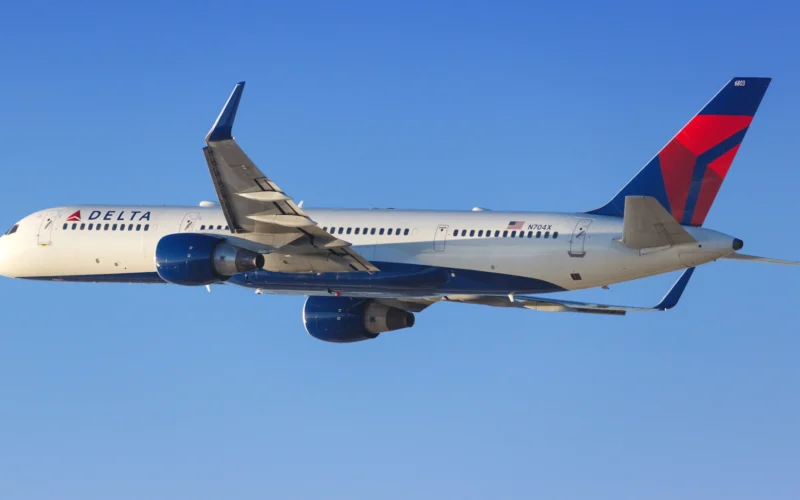
757 Family at a glance
The Boeing 757 is the narrowbody that refuses to be replaced: a 1983-vintage twin with widebody-class engines that could lift 200 passengers off short runways, climb like a fighter, and cross the Atlantic, a combination no aircraft matched for forty years. Boeing built 1,050 before closing the line in 2004, and the type's ghost has haunted the manufacturer ever since as the middle-of-market gap it never filled.
Delta and United still fly the largest passenger fleets on transatlantic and transcontinental routes, while a huge freighter fleet carries overnight packages for the integrators. The aircraft finally built to take its crown is Airbus's A321XLR, which exists almost entirely because the 757 created missions nothing else could fly, the ultimate compliment to a design its own maker never replaced.
Variant comparison
| Specification | Boeing 757-200 |
|---|---|
| Typical seats (2-class) | 180-200 |
| Maximum seats | 200 |
| Range | 3,915 |
| Length | 47.3 m |
Full specifications
Operators
Frequently asked questions
Its mix of 200 seats, transatlantic range and hot-and-high runway performance was never matched by any successor; Boeing closed the line in 2004 without a replacement, and the Airbus A321XLR is the first aircraft built to inherit its missions.
Delta operates the largest fleet with around 85 aircraft across both variants, United flies more than 50, and Icelandair operates its final examples as A321LRs arrive.
Production ended in 2004 after 1,050 aircraft; strong airframes and unique capability have kept the type in front-line passenger and freighter service ever since.