
767 Family
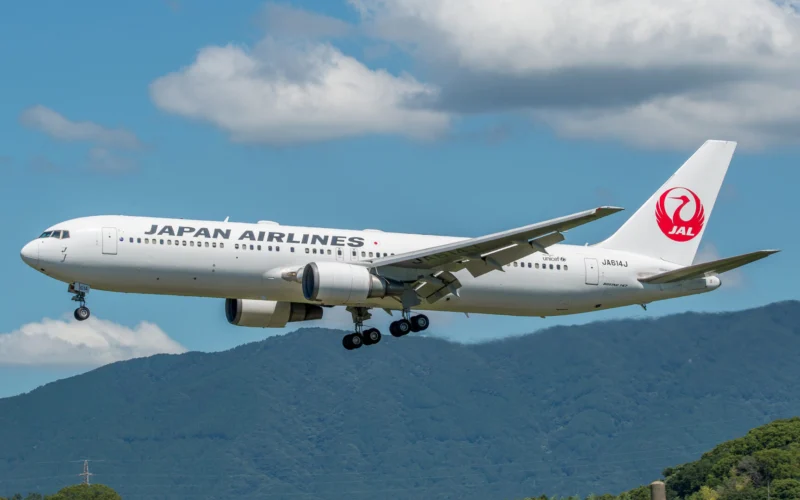
767 Family at a glance
The Boeing 767 is the widebody that refuses to retire: a mid-size twinjet launched into service in 1982 as Boeing's answer to the Airbus A300, it pioneered the two-crew widebody cockpit alongside the 757 and became the aircraft that proved twin-engine jets could safely cross oceans, opening the ETOPS era that every modern long-haul twin flies in. More than 1,300 have been delivered across passenger, freighter and military versions.
Passenger 767s still fly frontline schedules with Delta, United, ANA and Icelandair four decades on, prized for a 200-to-260-seat size the 787 never quite replaced at the bottom end. The line in Everett keeps building the 767-300F freighter and the KC-46 tanker for the US Air Force, giving the family one of the longest production runs in widebody history even as emissions rules bring freighter production to a close.
Variant comparison
| Specification | Boeing 767-300ER |
|---|---|
| Typical seats (2-class) | 218-269 |
| Maximum seats | 269 |
| Range | 5,980 |
| Length | 54.9 m |
Full specifications
Operators
Frequently asked questions
Yes, as a freighter and military tanker: the 767-300F and the KC-46 Pegasus for the US Air Force keep the Everett line running, though freighter production is ending as emissions rules take effect.
Delta and United in the United States, ANA in Japan and Icelandair are among the carriers still flying passenger 767s on frontline schedules.
It proved twinjets could safely fly long over-water routes, pioneering the ETOPS rules that made every modern long-haul twin, from the 777 to the A350, possible.