

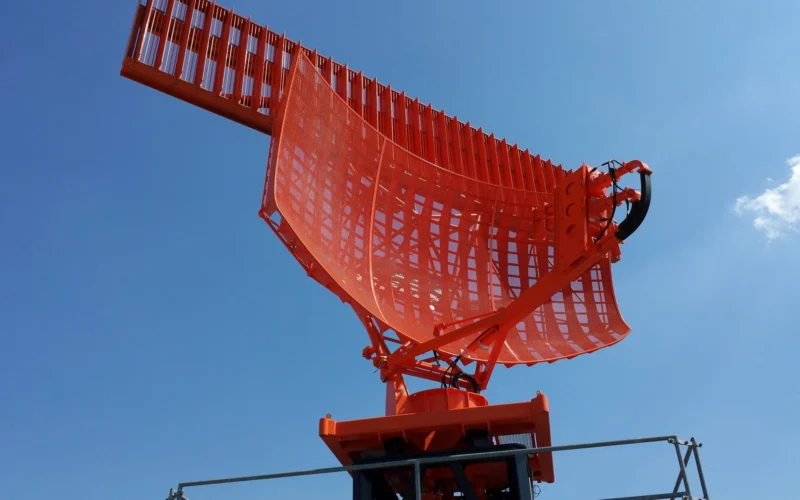
The US Federal Aviation Administration (FAA) has selected two contractors to replace hundreds of aging radar systems that form the backbone of the air traffic control network, marking a major step in a long-delayed modernization effort that officials say is critical to maintaining reliability and safety.
The FAA said it has awarded contracts to RTX and Spain-based Indra to replace 612 radar systems currently in service across the US. Many of those systems date to the 1980s and have exceeded their intended service life. The agency expects the replacements to be installed by the summer of 2028, part of a broader effort to complete a sweeping air traffic control overhaul by the end of 2028.
Transportation Secretary Sean Duffy and FAA officials said the radar replacement program is essential as the agency struggles to maintain increasingly fragile equipment. FAA Administrator Bryan Bedford said the existing radar network has become expensive to support and difficult to repair, with some components no longer manufactured.
In some cases, the FAA has relied on surplus markets to source spare parts for legacy systems. Agency officials have acknowledged that portions of the network still depend on outdated technology, including removable media, which adds to maintenance challenges and operational risk.
Recent failures have underscored the urgency. Last spring, technical problems twice knocked out radar service for controllers managing traffic into and out of Newark Liberty International Airport (EWR), triggering thousands of flight delays and cancellations. In one case, both primary and backup systems failed at a Philadelphia-area facility responsible for EWR airspace, highlighting vulnerabilities even in a system designed with redundancy.
The FAA said the new radar installations will replace 14 different radar types currently in use, a move intended to simplify maintenance and improve reliability. The agency has not yet provided a cost estimate for the radar contracts, but the effort is part of a much larger modernization program already facing funding pressure.
Congress approved $12.5 billion for air traffic control modernization, and the FAA has committed more than $6 billion of that funding so far. Duffy has said the agency will need an additional $20 billion to complete the overhaul as planned.
Beyond the radar systems, the FAA has already replaced more than one-third of the copper wiring used in the air traffic control system with modern alternatives such as fiberoptic lines. The agency also hired Peraton to oversee the modernization effort, reflecting the scale and complexity of the program.
While FAA officials emphasize that existing redundancies help preserve safety, recent outages have intensified scrutiny of the agency’s aging infrastructure. The radar replacement decision signals a shift from short-term maintenance to long-term system renewal, as the FAA works to stabilize an air traffic control network under growing operational and political pressure.